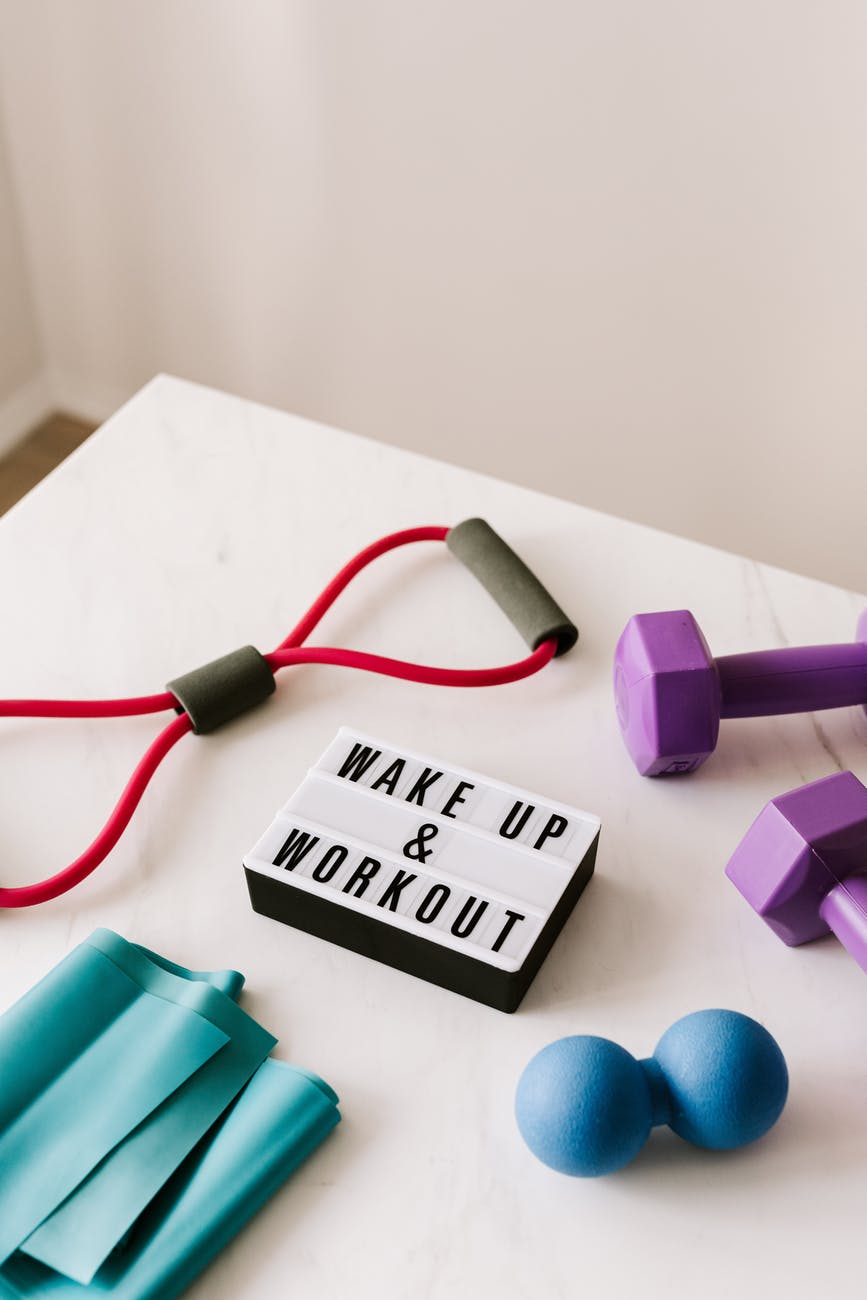
I absolutely love what the photo above says wake up and workout and ever since the pandemic started for some of us working out at home has become a part of our new normal routine. Last year I wrote part 1 to this blog post and it received some pretty good traction and so today since that blog post did so well I want to follow up with part 2 which is an at home workout video! Now I’m not saying I’m an expert when it comes to working out but I wanted to visually show you all some of the exercises I enjoy doing at home.
Now as we are getting towards the end of the month into a new month the last thing that I would like to talk about in terms of dieting is portion sizing. Since January we have been talking about sugars, carbs , dieting and now portion sizing. The first question is how many of you actually take the time to do this? Portion sizing can seem a bit tedious to many people but it is actually is very important especially if you are trying to watch your weight or want to lose weight. As many of you know if you know if we do not do this the result will be overeating and weight gain.
For me I’ve been putting this into practice now more then ever because over the past two years I have gained a good amount of weight. The first tip that I would give when it comes to portion sizing is that in order to know what your portion size is you have to know what the serving size is. Well where do you find the serving size? I’m glad you asked! The serving size is found at the very top of a nutrition facts label. Your serving size tells you how much calories you will get out of one serving. Once you have figured out your serving size then you can portion size. Not everything comes with a nutrition facts label so you are going to have to do some extra research and there are a lot of apps that can track calories for you if your are unable to figure out the calorie and serving size. The next tip I would give is use your measuring tools to help you portion your food. For myself I used dry measuring cups to measure out most of my food. For example if the cereal box says 1 cup is the serving size I use my dry measuring cup to scoop it out not so bad!.
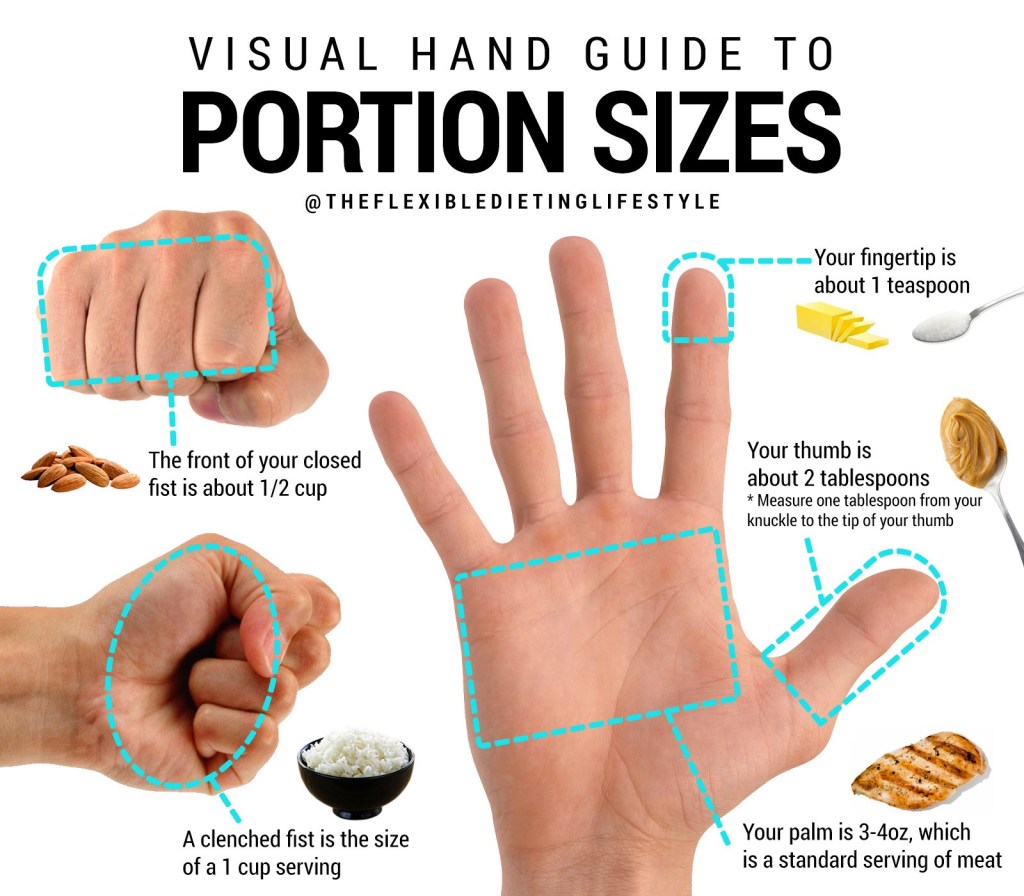
Now figuring out the portion sizes for other things such as meat and fish can be pretty tricky those things are usually measured by the ounce so I found some guides that use your hands to portion out your food. I will put that picture guide down below. Overall, portion sizing is really not that scary and easy to do so don’t run away from it be smart and portion!
I do not own this photo. This photo was found using a google search for free images
So it’s a New Year and right about now everyone is getting started on new diets (including me). Diets can be good but diets are also temporary most people will start a diet and fall off (which has also happened to me several times). So for me instead of using the word diet I like to use the word Lifestyle because you should want to your healthy eating habits to be a lifestyle with a room for certain foods in moderation or sometimes foods.
But being that it is a New Year this blog post is going to be about all about diets and some of the common diets that we hear about today. Now, there are a lot of diets out there but in this blog post I am only going to be talking about 5 diets which are:
The Vegan Diet
The Mediterranean Diet
The Paleo Diet
The DASH Diet
The Atkins Diet
The Vegan Diet is currently a favorite of mines because being someone that deals with acid reflux I realized following a vegan diet works better for it. Even though I am not fully vegan I buy a lot of vegan products whether its food and even for my body. So what exactly is Vegan? One a vegan diet it excludes anything that comes from animals. So almond milk, cashew milk, almond yogurt, non-dairy yogurt, tofu, fruits, and vegetables plus legumes all fall into the vegan category.
The Mediterranean Diet
Coronary Heart Disease has been a problem in America for many years. This type of diet is centered around just that. This diet was created to resemble the types of diets eaten in Greece and Italy or countries along the Mediterranean Sea. The way they would eat in these countries produced lower numbers in heart disease then here in the US. This diet is mostly a plant based diet eating lots of fruits and vegetables and healthy fats such as avocados and olive oils. You also focus on eating whole grains and limiting eating red meats and dairy but you can still eat meat and dairy just not in large amounts.
The Paleo Diet
The Paleo Diet was basically created to mimic the type of diets that hunters and gatherers/ early humans would eat. In this diet you would be eating lean meats such as , fish,fruits,veggies, seeds, and nuts. You can also have dairy products, legumes, and grains but have these in very limited amounts. This type of diet helps with weight loss and to maintain weight and is good for obesity, heart disease, and diabetes prevention.
The DASH Diet
Now I’m sure you guys have all probably heard of this diet. The DASH diet was created for people with hypertension. DASH means dietary approaches to stop hypertension. The main goal is to reduce the amount of sodium in your diet and eat more fruits and vegetables and grains. You can also still have dairy, meat, and fish.
The Atkins Diet
Last but not least is the Atkins Diet. When reviewing this at first I was a little confused. To start this diet is a low carb diet. This is the type of diet you go on when you want to lose weight and limit those carbs. This diet can also improve blood sugar levels and cholesterol levels. So while your reducing your carbs you are increasing your protein intake and that is what keeps you full and eating less. The confusing part for me was the 4 phases. So you have to make sure you keep up with the phases so that you are following this diet correctly.
Phase 1- This is called the induction. In this phase you must reduce your carb intake to less than 20 grams per day for two weeks.
Phase 2- This phase is called balancing. Find your balance thats the goal. You will slowly add nuts and low carb veggies such as zucchini’s, broccoli, cauliflower, and cucumbers.
Phase 3 – This phase is called fine tuning. In this phase you will begin adding back carbs until your weight loss slows down. Very Tricky!
Phase 4 – This phase is called maintenance. In this phase you eat as many carbs (healthy) carbs as possible without gaining weight.
Examples of some foods to avoid on this diet:
Sodas
Ice Cream
Fruit Juice
Rice
Barely
Canola Oil
Soybean Oil
Diet foods/Low fat foods
** When writing this blog a lot of it comes from prior knowledge of nutrition combined with viable resources for this blog post the source I used was www.healthline.com please visit healthline for more information on these diets**
Pregnancy is one the most exciting times in a women’s life. To experience the joy of bringing a new life into this world. Throughout the stages of pregnancy and three trimesters the body will go through a series of changes one of the most notable things being weight. That may be the one part women dread the most about pregnancy the weight gain that comes with it. Then you start to think will I be able to lose this weight after?
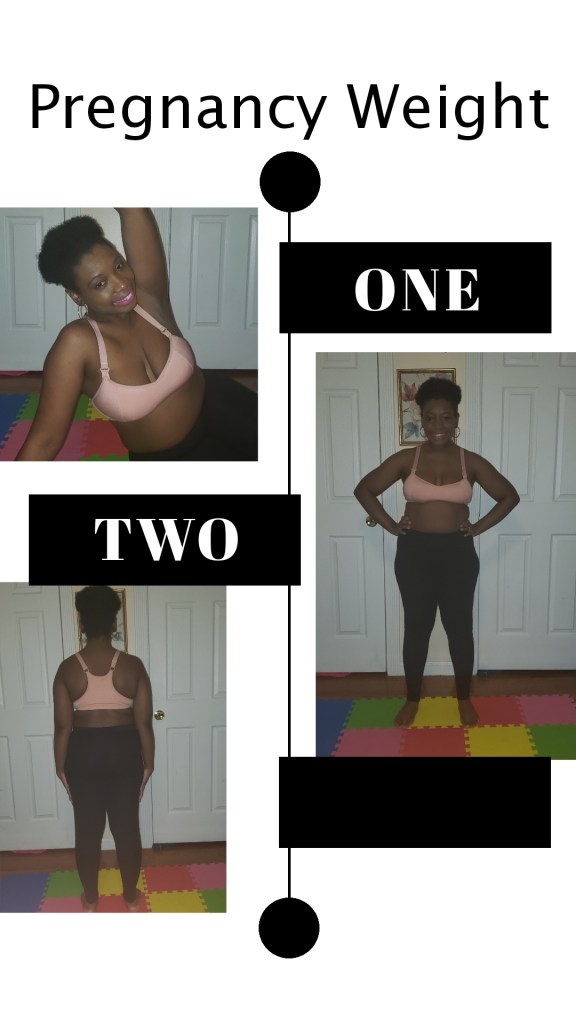
For me weight gain was not a major issue in the beginning of my pregnancy. During my journey I was not able to eat much at all. Once the nausea started it pretty much stayed with me throughout my whole pregnancy and never went away. For most women nausea usually goes away by the second trimester. It was a tough battle to tackle the nausea and dry heaving on top of already having a history of acid reflux. Most days I didn’t even feel hungry I had no appetite because of the nausea but I still made sure to eat anything I could of course not anything but nutritious foods for me and the baby. Then eventually as time went on I had to drink ensures for extra calories. My weight pretty much stayed stable until about 25 weeks of pregnancy. I started weighing 138 pounds and by the end of my pregnancy I was 160 pounds. Not bad right? A month after giving birth I weighed in at 146 pounds. Now today I am 156 pounds so I am almost back to my end pregnancy weight. Even though I instantly lost weight I seemed to gain it back. Even though the pregnancy is over the real work has just begun and postpartum weight also counts.
How did I get back 156 pounds ? Well the good news is that it wasn’t instantly but gradually. During postpartum you go through a whirlwind of emotions. Your getting used to having a new baby, juggling bottles, diapers, pumping, or breastfeeding and no sleep is not easy! And in between all of that you have to figure out when will you have time to eat and do you even have time to cook? For me, I just pretty much ate anything whenever I could. Most days I wouldn’t eat until at 4 PM. I ate a lot of chips , chocolate and anything that was easy fast food. It seemed as though all my healthy ways of eating had gone through the window.
Now to this present day I am getting back on track with how I used to be I am eating healthier, meal planning, and even exercising something that I never was really used to doing much at all. I am making sure to drink a lot more water and not beat myself about my current weight. The point of this post is to tell you mamas out their not to be upset about weight gain and to embrace it. The post postpartum journey is not easy but once you ease into a routine and also fit in time to take care of YOU, everything will fall into place.


 NutriFoody Wholly Holism