
Hey Foodies,
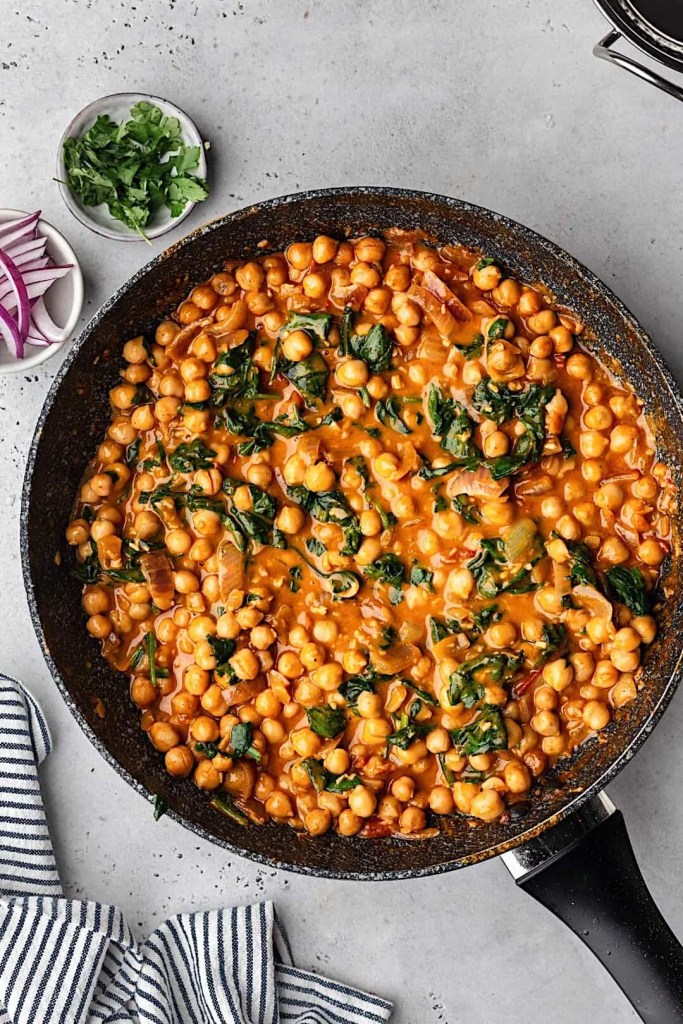
Can you believe we are already entering the third week of January? Now this recipe I am going to share with you if perfect for if you are looking to find a dish to make for veganuary or just in general looking for a good meatless dish. The first time I tried making a chickpea curry was last year during the holidays for 2023. First I made it for Thanksgiving and my family requested it again for a family dinner in December ( I no longer celebrate Christmas so we just do family dinners). It is creamy, delicious, and flavorful I absolutely love it every time and I will probably be putting this on my meal plan for this week!
Ingredients:
- 1 can chickpeas, drained and rinsed
- 1 onion, finely chopped
- 3 cloves garlic, minced
- 1 tablespoon curry powder
- 1 teaspoon ground cumin
- 1 teaspoon ground coriander
- 1 can diced tomatoes
- 1 can coconut milk
- 4 cups fresh spinach
- Salt and pepper to taste
Instructions:
- In a large pan, sauté the chopped onion and garlic until translucent.
- Add the curry powder, ground cumin, and ground coriander. Stir well to coat the onions and garlic with the spices.
- Pour in the diced tomatoes and coconut milk. Bring to a simmer.
- Add the chickpeas and let the curry cook for 15-20 minutes, allowing the flavors to meld.
- Just before serving, fold in the fresh spinach until it wilts.
- Season with salt and pepper to taste.
Serving Suggestions:
- Serve the curry over a bed of fluffy basmati rice or quinoa.
- Garnish with fresh cilantro and a squeeze of lime juice.
Benefits of Chickpeas and Spinach:
- Rich in Plant-Based Protein:
- Chickpeas are an excellent source of plant-based protein, making them a valuable addition to vegetarian and vegan diets. Protein is essential for muscle repair, growth, and overall body function.
- High in Dietary Fiber:
- The high fiber content in chickpeas supports digestive health by promoting regular bowel movements and preventing constipation. Fiber also helps in maintaining stable blood sugar levels.
- Regulates Blood Sugar Levels:
- Chickpeas have a low glycemic index, which means they have a minimal impact on blood sugar levels. This makes them a suitable food for individuals with diabetes or those looking to manage blood sugar.
- Heart Health:
- The combination of fiber, potassium, and antioxidants in chickpeas contributes to heart health by reducing cholesterol levels and supporting healthy blood pressure.
- Provides Essential Nutrients:
- Chickpeas contain essential nutrients such as iron, magnesium, zinc, and B-vitamins, contributing to energy production, immune function, and overall well-being.
- Weight Management:
- The fiber and protein content in chickpeas promote a feeling of fullness, which can be beneficial for weight management by reducing overall calorie intake.
Spinach:
- Abundant in Nutrients:
- Spinach is packed with vitamins A, C, K, and folate, as well as minerals like iron and magnesium. These nutrients are crucial for various bodily functions, including immune support, bone health, and blood clotting.
- Rich in Antioxidants:
- Spinach contains antioxidants, such as beta-carotene and lutein, which help protect the body’s cells from oxidative stress and may reduce the risk of chronic diseases.
- Promotes Healthy Vision:
- Lutein and zeaxanthin, present in spinach, are associated with promoting eye health and reducing the risk of age-related macular degeneration.
- Anti-Inflammatory Properties:
- Spinach contains phytonutrients that have anti-inflammatory properties, which may help reduce inflammation in the body and lower the risk of chronic diseases.
- Supports Bone Health:
- The high vitamin K content in spinach is essential for bone health as it plays a role in calcium absorption and bone mineralization.
- Aids Digestive Health:
- The fiber in spinach contributes to digestive health by promoting regular bowel movements and supporting a healthy gut microbiome.
- Low in Calories:
- Spinach is low in calories but high in nutrients, making it a nutrient-dense choice for those looking to maintain a healthy weight.
As you embark on your Veganuary journey, remember that it’s not about perfection but progress. Every plant-based meal you enjoy contributes to a healthier you and a healthier planet. Join the global movement, savor the flavors, and discover the joy of compassionate eating.
-Vanessa J
 NutriFoody Wholly Holism