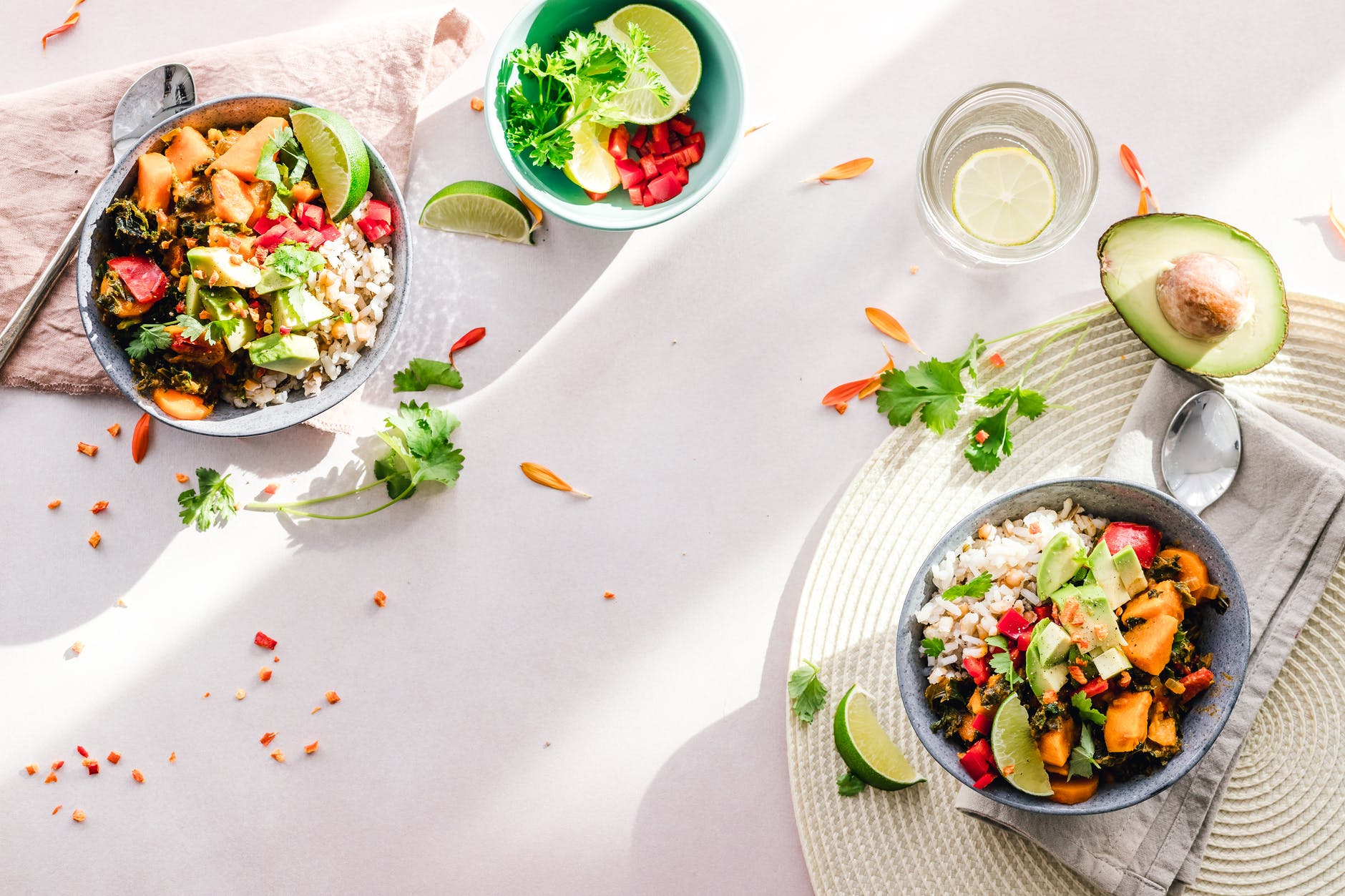
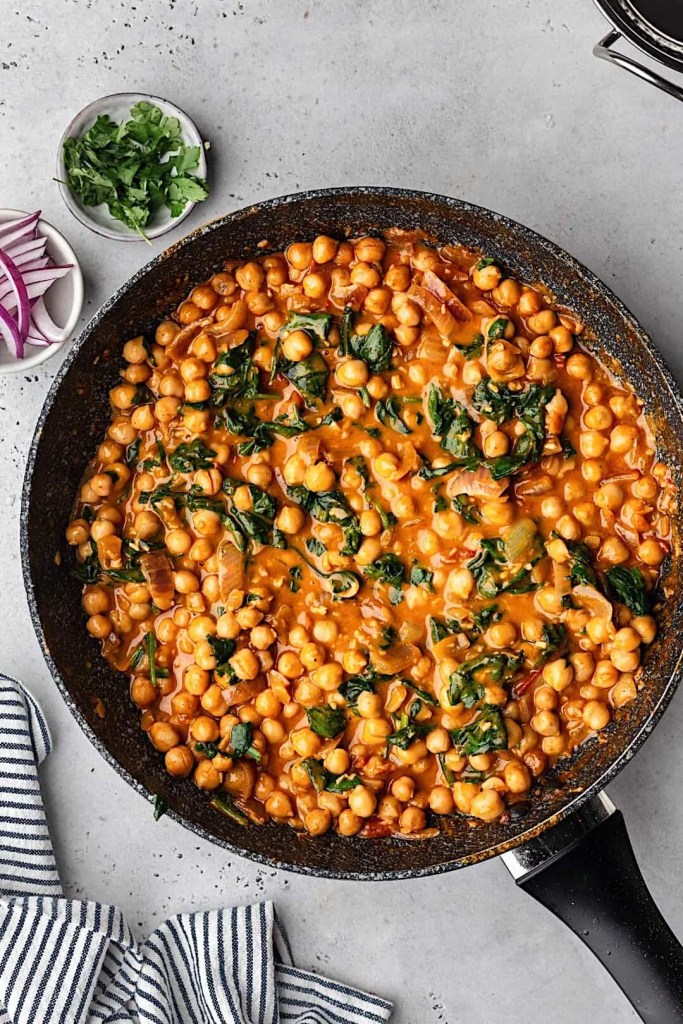
Veganuary Recipe – Creamy Chickpea and Spinach Curry

Hey Foodies,

Can you believe we are already entering the third week of January? Now this recipe I am going to share with you if perfect for if you are looking to find a dish to make for veganuary or just in general looking for a good meatless dish. The first time I tried making a chickpea curry was last year during the holidays for 2023. First I made it for Thanksgiving and my family requested it again for a family dinner in December ( I no longer celebrate Christmas so we just do family dinners). It is creamy, delicious, and flavorful I absolutely love it every time and I will probably be putting this on my meal plan for this week!

Ingredients:

  • 1 can chickpeas, drained and rinsed
  • 1 onion, finely chopped
  • 3 cloves garlic, minced
  • 1 tablespoon curry powder
  • 1 teaspoon ground cumin
  • 1 teaspoon ground coriander
  • 1 can diced tomatoes
  • 1 can coconut milk
  • 4 cups fresh spinach
  • Salt and pepper to taste

Instructions:

  1. In a large pan, sauté the chopped onion and garlic until translucent.
  2. Add the curry powder, ground cumin, and ground coriander. Stir well to coat the onions and garlic with the spices.
  3. Pour in the diced tomatoes and coconut milk. Bring to a simmer.
  4. Add the chickpeas and let the curry cook for 15-20 minutes, allowing the flavors to meld.
  5. Just before serving, fold in the fresh spinach until it wilts.
  6. Season with salt and pepper to taste.

Serving Suggestions:

  • Serve the curry over a bed of fluffy basmati rice or quinoa.
  • Garnish with fresh cilantro and a squeeze of lime juice.

Benefits of Chickpeas and Spinach:

  1. Rich in Plant-Based Protein:
    • Chickpeas are an excellent source of plant-based protein, making them a valuable addition to vegetarian and vegan diets. Protein is essential for muscle repair, growth, and overall body function.
  2. High in Dietary Fiber:
    • The high fiber content in chickpeas supports digestive health by promoting regular bowel movements and preventing constipation. Fiber also helps in maintaining stable blood sugar levels.
  3. Regulates Blood Sugar Levels:
    • Chickpeas have a low glycemic index, which means they have a minimal impact on blood sugar levels. This makes them a suitable food for individuals with diabetes or those looking to manage blood sugar.
  4. Heart Health:
    • The combination of fiber, potassium, and antioxidants in chickpeas contributes to heart health by reducing cholesterol levels and supporting healthy blood pressure.
  5. Provides Essential Nutrients:
    • Chickpeas contain essential nutrients such as iron, magnesium, zinc, and B-vitamins, contributing to energy production, immune function, and overall well-being.
  6. Weight Management:
    • The fiber and protein content in chickpeas promote a feeling of fullness, which can be beneficial for weight management by reducing overall calorie intake.

Spinach:

  1. Abundant in Nutrients:
    • Spinach is packed with vitamins A, C, K, and folate, as well as minerals like iron and magnesium. These nutrients are crucial for various bodily functions, including immune support, bone health, and blood clotting.
  2. Rich in Antioxidants:
    • Spinach contains antioxidants, such as beta-carotene and lutein, which help protect the body’s cells from oxidative stress and may reduce the risk of chronic diseases.
  3. Promotes Healthy Vision:
    • Lutein and zeaxanthin, present in spinach, are associated with promoting eye health and reducing the risk of age-related macular degeneration.
  4. Anti-Inflammatory Properties:
    • Spinach contains phytonutrients that have anti-inflammatory properties, which may help reduce inflammation in the body and lower the risk of chronic diseases.
  5. Supports Bone Health:
    • The high vitamin K content in spinach is essential for bone health as it plays a role in calcium absorption and bone mineralization.
  6. Aids Digestive Health:
    • The fiber in spinach contributes to digestive health by promoting regular bowel movements and supporting a healthy gut microbiome.
  7. Low in Calories:
    • Spinach is low in calories but high in nutrients, making it a nutrient-dense choice for those looking to maintain a healthy weight.

As you embark on your Veganuary journey, remember that it’s not about perfection but progress. Every plant-based meal you enjoy contributes to a healthier you and a healthier planet. Join the global movement, savor the flavors, and discover the joy of compassionate eating.

-Vanessa J
Plant-Based Eating: A Holistic Approach to Veganuary

Photo by Vegan Liftz on Pexels.com

As January starts, many people embark on the journey of Veganuary—a month-long commitment to exploring plant-based eating. Beyond being a dietary choice, embracing a plant-based lifestyle extends far beyond the plate, offering holistic benefits for your well-being and the planet. Let’s delve into the multifaceted advantages of plant-based eating and provide guidance for those stepping into Veganuary.

Holistic Benefits of Plant-Based Eating:

  1. Nourishing the Body: Plant-based diets are rich in an array of vitamins, minerals, and antioxidants derived from fruits, vegetables, nuts, seeds, and whole grains. These nutrients support overall health, contributing to vibrant skin, strong bones, and optimal organ function.
  2. Gut Health and Digestion: Plant-based diets are typically high in fiber, fostering a healthy gut microbiome. A well-balanced gut contributes to improved digestion, nutrient absorption, and supports a robust immune system.
  3. Reducing Inflammation: Plant-based foods are known for their anti-inflammatory properties. By minimizing the consumption of inflammatory foods commonly found in animal products, individuals often experience a reduction in inflammation, leading to improved joint health and overall well-being.
  4. Heart Health: Plant-based eating has been linked to a lower risk of heart disease. The absence of saturated fats found in animal products, coupled with the presence of heart-healthy fats in plant-based sources, contributes to lower cholesterol levels and improved cardiovascular health.
  5. Weight Management: Plant-based diets tend to be naturally lower in calorie density while providing essential nutrients. This, combined with an increased intake of fiber, supports weight management and a healthy body mass index.
  6. Mental Well-being: The connection between plant-based eating and mental health is gaining attention. Nutrient-rich foods may positively impact mood and cognitive function, promoting mental clarity and overall well-being.
  7. Ethical and Environmental Impact: Adopting a plant-based lifestyle aligns with ethical considerations, as it reduces the demand for animal agriculture. Additionally, plant-based diets have a lower environmental footprint, contributing to sustainability and reducing the impact on the planet.

Guidance for Veganuary:

  1. Diverse Plant-Based Foods: Explore the richness of plant-based foods by incorporating a variety of fruits, vegetables, legumes, whole grains, nuts, and seeds into your meals. This diversity ensures a broad spectrum of nutrients.
  2. Balanced Nutrient Intake: Pay attention to essential nutrients like protein, iron, calcium, vitamin B12, and omega-3 fatty acids. While many plant-based foods provide these nutrients, it’s important to ensure a balanced intake through supplementation or fortified foods when necessary.
  3. Cooking Creativity: Embrace the creativity of plant-based cooking. Experiment with new recipes, flavors, and textures to discover a world of culinary delights that go beyond traditional meat-based dishes.
  4. Community Support: Join online communities or local groups participating in Veganuary. Sharing experiences, tips, and recipes with like-minded individuals can provide invaluable support and motivation.
  5. Educational Resources: Arm yourself with knowledge about plant-based nutrition. Explore reputable sources, documentaries, and books to deepen your understanding of the health and environmental benefits of a plant-based lifestyle.

Veganuary is not just a dietary challenge; it’s an opportunity to explore the holistic benefits of plant-based living. By embracing the richness of plant-based foods, you’re not only nourishing your body but also contributing to a more compassionate, sustainable, and holistic approach to well-being—one plate at a time.

-Vanessa J

Vegan and Vegetarian Diets

Photo by Ella Olsson on Pexels.com

As I mentioned in my last blog post I would still be on the topic of diets. This week I am going to be taking about vegan diets and vegetarian diets.What both diets have in common is that they do not consume any animals products. Did you know that there are 5 types of vegan diets and 5 types of vegetarian diets but a vegan diet or “veganism” is also a vegetarian diet. So lets jump straight to it.

5 Types of Vegan Diets ( Remember Vegan diets to not use any animal products)

  • Junk- Food Vegans – Now I found this to very interesting because you wouldn’t think that someone that is vegan would eat “junk” food but there are a lot of vegan products that can still be considered unhealthy depending on what you choose such as vegan ice cream, vegan, fries, chips, frozen dinners
  • Raw-Food Vegans – These vegans only eat foods that are raw or cooked below 118 degrees F, some of those raw foods include: raw nuts and seeds, raw nut butters, raw nut milks, seaweed, and sauerkraut. Methods of cooking for those that are raw food vegans include juicing, blending, soaking, and sprouting they chose these methods of cooking because the foods lose less nutrients when cooked at a lower temperature.
  • Dietary Vegans- Dietary Vegans follow a plant based diet but other products such as for food, hair, or skin
  • Whole Food Vegans – These vegans eat whole foods such as nuts, fruits, vegetables , and legumes
  • Low Fat Raw Food Vegans- These vegans limit high fat as coconuts, nuts, and avocados and mostly eat fruits. They are referred to as fruitarians.

The next thing I am going to talk about are Vegetarian diets. There are 5 Vegetarian diets:

  • Vegan – I started off with vegan since we just reviewed vegan diets. As we know Vegans do not eat any animal or dairy products
  • Lacto-vegetarian – These vegetarians do not eat eggs, poultry, fish, or meat but they do eat dairy products such as yogurt, milk, cheese, and butter
  • Ovo-vegetarian – These vegetarians exclude all animal products but they do eat eggs
  • Lacto-ovo vegetarians – These vegetarians do not eat meat but they do eat eggs and milk
  • Pescatarians – Pescatarians do not eat meat, eggs , poultry, or dairy but they do eat fish

That is the overview of Vegan and Vegetarian diets, they both have many similarities but slight differences in what can actually be consumed. Do you currently follow any of these diets or lifestyles? Leave a comment down below let me know!

Diets For Weight Loss & Health

Photo by Daria Shevtsova on Pexels.com

Types of Diets

So it’s a New Year and right about now everyone is getting started on new diets (including me). Diets can be good but diets are also temporary most people will start a diet and fall off (which has also happened to me several times). So for me instead of using the word diet I like to use the word Lifestyle because you should want to your healthy eating habits to be a lifestyle with a room for certain foods in moderation or sometimes foods.

But being that it is a New Year this blog post is going to be about all about diets and some of the common diets that we hear about today. Now, there are a lot of diets out there but in this blog post I am only going to be talking about 5 diets which are:

  1. The Vegan Diet
  2. The Mediterranean Diet 
  3. The Paleo Diet
  4. The DASH Diet
  5. The Atkins Diet

The Vegan Diet is currently a favorite of mines because being someone that deals with acid reflux I realized following a vegan diet works better for it. Even though I am not fully vegan I buy a lot of vegan products whether its food and even for my body. So what exactly is Vegan? One a vegan diet it excludes anything that comes from animals. So almond milk, cashew milk, almond yogurt, non-dairy yogurt, tofu, fruits, and vegetables plus legumes all fall into the vegan category.

The Mediterranean Diet 

Coronary Heart Disease has been a problem in America for many years. This type of diet is centered around just that. This diet was created to resemble the types of diets eaten in Greece and Italy or countries along the Mediterranean Sea. The way they would eat in these countries produced lower numbers in heart disease then here in the US. This diet is mostly a plant based diet eating lots of fruits and vegetables and healthy fats such as avocados and olive oils. You also focus on eating whole grains and limiting eating red meats and dairy but you can still eat meat and dairy just not in large amounts.

The Paleo Diet 

The Paleo Diet was basically created to mimic the type of diets that hunters and gatherers/ early humans would eat. In this diet you would be eating lean meats such as , fish,fruits,veggies, seeds, and nuts. You can also have dairy products, legumes, and grains but have these in very limited amounts. This type of diet helps with weight loss and to maintain weight and is good for obesity, heart disease, and diabetes prevention. 

The DASH Diet

Now I’m sure you guys have all probably heard of this diet. The DASH diet was created for people with hypertension. DASH means dietary approaches to stop hypertension. The main goal is to reduce the amount of sodium in your diet and eat more fruits and vegetables and grains. You can also still have dairy, meat, and fish.

The Atkins Diet

Last but not least is the Atkins Diet. When reviewing this at first I was a little confused. To start this diet is a low carb diet. This is the type of diet you go on when you want to lose weight and limit those carbs. This diet can also improve blood sugar levels and cholesterol levels. So while your reducing your carbs you are increasing your protein intake and that is what keeps you full and eating less. The confusing part for me was the 4 phases. So you have to make sure you keep up with the phases so that you are following this diet correctly. 

Phase 1- This is called the induction. In this phase you must reduce your carb intake to less than 20 grams per day for two weeks.

Phase 2- This phase is called balancing. Find your balance thats the goal. You will slowly add nuts and low carb veggies such as zucchini’s, broccoli, cauliflower, and cucumbers.

Phase 3 – This phase is called fine tuning. In this phase you will begin adding back carbs until your weight loss slows down. Very Tricky!

Phase 4 – This phase is called maintenance. In this phase you eat as many carbs (healthy) carbs as possible without gaining weight.

Examples of some foods to avoid on this diet:

  1. Sodas
  2. Ice Cream
  3. Fruit Juice
  4. Rice
  5. Barely
  6. Canola Oil
  7. Soybean Oil
  8. Diet foods/Low fat foods

** When writing this blog a lot of it comes from prior knowledge of nutrition combined with viable resources for this blog post the source I used was www.healthline.com please visit healthline for more information on these diets**

Watch my video on Youtube!