
The Power of Self-Love: Cultivating a Healthy Relationship with Food and Body

Taking care of ourselves inside and out

As you can see this is not the first time I have written a blog post on self-love and taking care of your body. In honor of heart health month, let’s take a deeper dive into why it is important to care of yourself as a whole. In a world often defined by external standards and pressures, nurturing a healthy relationship with food and body image is essential for our well-being. At the core of this journey lies self-love โ€“ the practice of embracing ourselves with compassion and acceptance. In this blog post, we’ll explore how cultivating self-love can transform our relationship with food and body, offering practical tips for fostering a more nourishing connection with ourselves.

**Embracing Your Journey**

Self-love begins with recognizing our inherent worth, independent of appearance or size. By embracing our uniqueness and celebrating our strengths, we lay the foundation for a compassionate relationship with ourselves and our bodies.

**Honoring Your Body’s Wisdom**

Listening to our body’s cues and nourishing ourselves with foods that satisfy and energize us is an act of self-love. By tuning into our hunger and fullness signals and trusting our body’s wisdom, we can break free from restrictive eating patterns and rediscover the joy of intuitive eating.

**Practicing Self-Compassion**

Self-love involves treating ourselves with kindness and understanding, especially when faced with challenges or setbacks. Practicing self-compassion allows us to cultivate resilience and inner strength, supporting us on our journey to healing and growth.

**Finding Joy in Nourishment**

Approaching food with gratitude and mindfulness enhances our eating experience and deepens our connection to nourishment. By savoring each bite and appreciating the flavors and textures of our meals, we can cultivate a sense of pleasure and satisfaction in eating.

**Embracing Holistic Self-Care**

Self-love extends beyond food to encompass all aspects of self-care and well-being. Engaging in activities that bring us joy and nourish our mind, body, and soul โ€“ such as spending time in nature, practicing mindfulness, or connecting with loved ones โ€“ fosters a holistic sense of well-being.

**Conclusion**

Embracing self-love is a transformative journey that empowers us to cultivate a healthy relationship with food and body. By honoring our worth, listening to our body’s wisdom, and practicing self-compassion, we can foster a deeper sense of nourishment, joy, and fulfillment in our lives. Let us embark on this journey of self-discovery and embrace the transformative power of self-love, one mindful and compassionate step at a time.
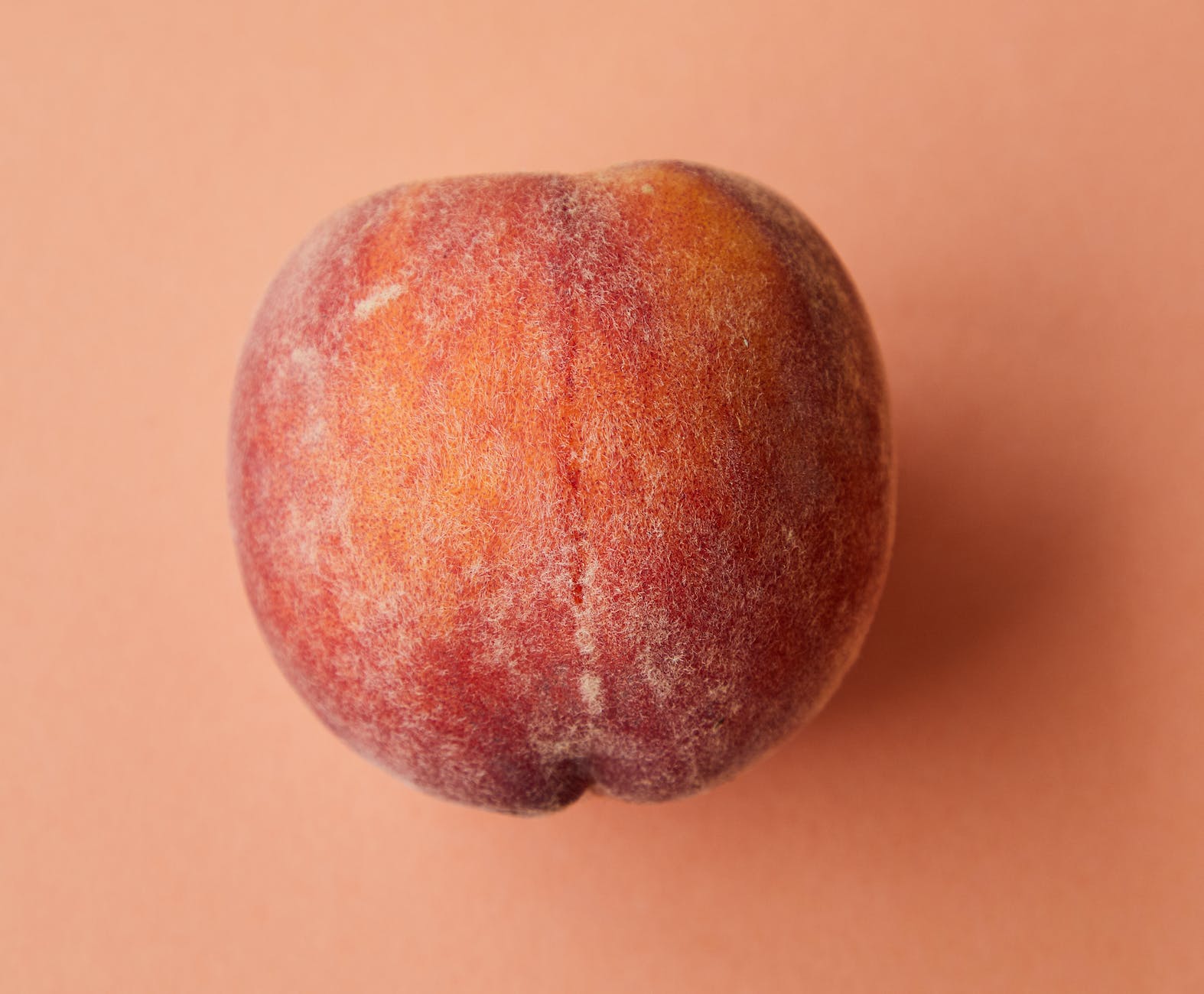
Apples, White Peaches, and Carrot Juice -Embrace Natural Goodness

Photo by Laker on Pexels.com
  • Red Apples: Bursting with natural sweetness, red apples provide a juicy foundation for your concoction.
  • White Peaches (or Yellow): These delicate fruits bring a touch of elegance and flavor to your blend.
  • Carrots: Rich in nutrients and color, carrots add a vibrant and healthful kick to your juice.
  • Knob of Ginger: Infusing your juice with a hint of warmth and zing, ginger offers both taste and potential health benefits.
  • Agave: A natural sweetener derived from the agave plant, agave nectar lends a gentle touch of sweetness.
  • Raw Filtered Honey: Nature’s golden elixir, raw honey brings a rich flavor and potential health benefits.
  • Vegan Honey: A plant-based alternative to honey, vegan honey offers a cruelty-free option for sweetness.
Apples, White Peach, & Carrots Juice Homemade

Are Artificial Sweeteners Safe?

Photo by Stas Knop on Pexels.com

What are artificial sweeteners?

Artificial sweeteners are better known as sugar substitutes. Better yet we can say products that state they are โ€œsugar freeโ€. We definitely see that a lot in our grocery stores and sometimes we think that sugar free is better which may not always be the case because some are not actually natural and are still processed made sugars.

Normally when we use a sweetener we are stopping ourselves from reaching for the good ole granulated sugar that normally get. People go for artificial sweeteners because they do not add calories to your diet and you can use less of it because it provides that sweetness faster than table sugar does. Another plus of using artificial sweeteners is that they do not cause tooth decay and cavities like granulated table does. Also it is a better alternative for those with diabetes and for those trying to lose weight

because they do not raise your blood sugar (carbohydrates).

The FDA regulates the use of artificial sweeteners and it is considered an food additive. So the FDA approves all artificial sweeteners before you see them on grocery shelves.

So whats the 411 on these sweeteners?

Aside the from artificial sweeteners we also have novel sweeteners and sugar alcohols which I just recently learned a little more about. One of the big novel sweeteners that we all have heard about is Stevia and as for sugar alcohols they are still considered carbohydrates because they are naturally found in some fruits and vegetables. Sugar alcohols is not like an alcoholic drink because it doesnโ€™t contain ethanol but it does contain calories. Sugar alcohols do have a laxative effect when consumed in large amounts so you must keep that in mind.

The biggest talk when it comes to these sweeteners is that it is said that they can cause cancer but research has been done and for the most part most of these sweeteners have not been found to be harmful. The most important thing when it comes to sugar is how much of it do you consume and use on a daily basis and this determines how it will effect your health. Moderation is key when it comes to using sugar and moderation is key when it comes to nutrition.

Examples of Natural Sweeteners:

  • Honey
  • Molasses 
  • Agave 
  • Coconut sugar
  • Maple Syrup

Examples of Novel Sweeteners :

  • Stevia

Examples of Sugar Alcohols:

  • Xylitol
  • Erythritol

FDA Approved Artificial Sugars:

  • Sunett
  • Equal
  • Splenda
  • Sugaree
  • Sweet ‘N Low

What Are The Best Reflux Recipe Books?

Image by Free-Photos from Pixabay

Excuse me all for as I have been away for quite some time but now I am back! As you guys already know from reading through my blog I have LPR (Laryngopharyngeal Reflux) Acid Reflux. It not has been an easy journey with acid reflux and Iโ€™ve had many moments where I have struggled through it. Psychologically and emotionally at one point, I thought that I would never be able to eat a normal diet ever again. It took a lot of hard work and effort but now I am in a much better place with managing my reflux. As much as you can take medications for reflux it is 80 percent about your diet and what you are eating. So eventually you will have to make those necessary changes in food choices that you will carry with you for years to come.

On my Instagram page: @ Acidrefluxx_ many of my followers have been asking me what are some of the best recipe books for acid reflux. To answer that there are many to choose from. What I do before purchasing any is books is making sure I skim through the reviews and check the contents page to see if the recipes are ones that interest me and I am willing to try out because everyone has their preferences.