Nut-Free Nutter Butter Cookies: A Delicious and Allergy-Friendly

Indulging in sweet treats should be a good experience for everyone, regardless of dietary restrictions. If you or someone you know has a nut allergy but still craves the creamy, nutty goodness of traditional peanut butter cookies, you’re in luck! In this blog post, we’ll show you how to whip up a batch of nut-free nutter butter cookies using oat flour, maple syrup, and a nut-free nut butter. Get ready to satisfy your sweet tooth with this easy and allergy-friendly recipe.

Ingredients:

– 1 cup oat flour (gluten-free if needed)

– 1/2 cup nut-free nut butter (such as sunflower seed butter or soy nut butter)

– 1/4 cup pure maple syrup

– 1/4 cup coconut oil, melted

– 1 teaspoon vanilla extract

– Pinch of salt

Instructions:

1. Preheat your oven to 350°F (175°C) and line a baking sheet with parchment paper.

2. In a mixing bowl, combine the oat flour and salt. Stir until well combined.

3. In a separate bowl, whisk together the nut-free nut butter, maple syrup, melted coconut oil, and vanilla extract until smooth and creamy.

4. Gradually add the wet ingredients to the dry ingredients, stirring until a thick dough forms. If the dough is too sticky, you can add a little more oat flour until it reaches the desired consistency.

5. Using a tablespoon or cookie scoop, portion out the dough and roll it into balls. Place the balls onto the prepared baking sheet, leaving some space between each one.

6. Use a fork to gently flatten each cookie and create a crisscross pattern on top.

7. Bake the cookies in the preheated oven for 10-12 minutes, or until lightly golden around the edges.

8. Remove the cookies from the oven and allow them to cool on the baking sheet for a few minutes before transferring them to a wire rack to cool completely.

9. Once cooled, enjoy your nut-free nutter butter cookies with a glass of almond milk or your favorite dairy-free beverage!

Why You’ll Love These Cookies:- Nut-Free: Made with a nut-free nut butter, these cookies are safe for individuals with nut allergies to enjoy.- Easy to Make: With just a few simple ingredients and minimal prep time, these cookies are perfect for busy bakers.- Allergy-Friendly: Free from gluten, dairy, and eggs, these cookies are suitable for those with a variety of dietary restrictions.

Until next time enjoy and be safe!
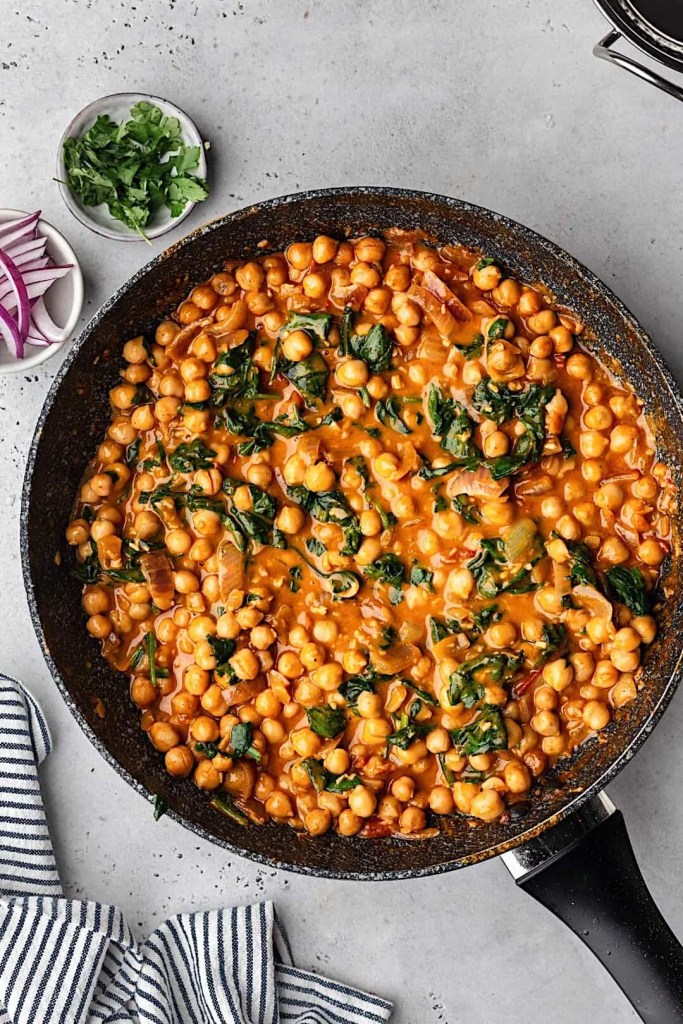
Veganuary Recipe – Creamy Chickpea and Spinach Curry

Hey Foodies,

Can you believe we are already entering the third week of January? Now this recipe I am going to share with you if perfect for if you are looking to find a dish to make for veganuary or just in general looking for a good meatless dish. The first time I tried making a chickpea curry was last year during the holidays for 2023. First I made it for Thanksgiving and my family requested it again for a family dinner in December ( I no longer celebrate Christmas so we just do family dinners). It is creamy, delicious, and flavorful I absolutely love it every time and I will probably be putting this on my meal plan for this week!

Ingredients:

  • 1 can chickpeas, drained and rinsed
  • 1 onion, finely chopped
  • 3 cloves garlic, minced
  • 1 tablespoon curry powder
  • 1 teaspoon ground cumin
  • 1 teaspoon ground coriander
  • 1 can diced tomatoes
  • 1 can coconut milk
  • 4 cups fresh spinach
  • Salt and pepper to taste

Instructions:

  1. In a large pan, sauté the chopped onion and garlic until translucent.
  2. Add the curry powder, ground cumin, and ground coriander. Stir well to coat the onions and garlic with the spices.
  3. Pour in the diced tomatoes and coconut milk. Bring to a simmer.
  4. Add the chickpeas and let the curry cook for 15-20 minutes, allowing the flavors to meld.
  5. Just before serving, fold in the fresh spinach until it wilts.
  6. Season with salt and pepper to taste.

Serving Suggestions:

  • Serve the curry over a bed of fluffy basmati rice or quinoa.
  • Garnish with fresh cilantro and a squeeze of lime juice.

Benefits of Chickpeas and Spinach:

  1. Rich in Plant-Based Protein:
    • Chickpeas are an excellent source of plant-based protein, making them a valuable addition to vegetarian and vegan diets. Protein is essential for muscle repair, growth, and overall body function.
  2. High in Dietary Fiber:
    • The high fiber content in chickpeas supports digestive health by promoting regular bowel movements and preventing constipation. Fiber also helps in maintaining stable blood sugar levels.
  3. Regulates Blood Sugar Levels:
    • Chickpeas have a low glycemic index, which means they have a minimal impact on blood sugar levels. This makes them a suitable food for individuals with diabetes or those looking to manage blood sugar.
  4. Heart Health:
    • The combination of fiber, potassium, and antioxidants in chickpeas contributes to heart health by reducing cholesterol levels and supporting healthy blood pressure.
  5. Provides Essential Nutrients:
    • Chickpeas contain essential nutrients such as iron, magnesium, zinc, and B-vitamins, contributing to energy production, immune function, and overall well-being.
  6. Weight Management:
    • The fiber and protein content in chickpeas promote a feeling of fullness, which can be beneficial for weight management by reducing overall calorie intake.

Spinach:

  1. Abundant in Nutrients:
    • Spinach is packed with vitamins A, C, K, and folate, as well as minerals like iron and magnesium. These nutrients are crucial for various bodily functions, including immune support, bone health, and blood clotting.
  2. Rich in Antioxidants:
    • Spinach contains antioxidants, such as beta-carotene and lutein, which help protect the body’s cells from oxidative stress and may reduce the risk of chronic diseases.
  3. Promotes Healthy Vision:
    • Lutein and zeaxanthin, present in spinach, are associated with promoting eye health and reducing the risk of age-related macular degeneration.
  4. Anti-Inflammatory Properties:
    • Spinach contains phytonutrients that have anti-inflammatory properties, which may help reduce inflammation in the body and lower the risk of chronic diseases.
  5. Supports Bone Health:
    • The high vitamin K content in spinach is essential for bone health as it plays a role in calcium absorption and bone mineralization.
  6. Aids Digestive Health:
    • The fiber in spinach contributes to digestive health by promoting regular bowel movements and supporting a healthy gut microbiome.
  7. Low in Calories:
    • Spinach is low in calories but high in nutrients, making it a nutrient-dense choice for those looking to maintain a healthy weight.

As you embark on your Veganuary journey, remember that it’s not about perfection but progress. Every plant-based meal you enjoy contributes to a healthier you and a healthier planet. Join the global movement, savor the flavors, and discover the joy of compassionate eating.

-Vanessa J

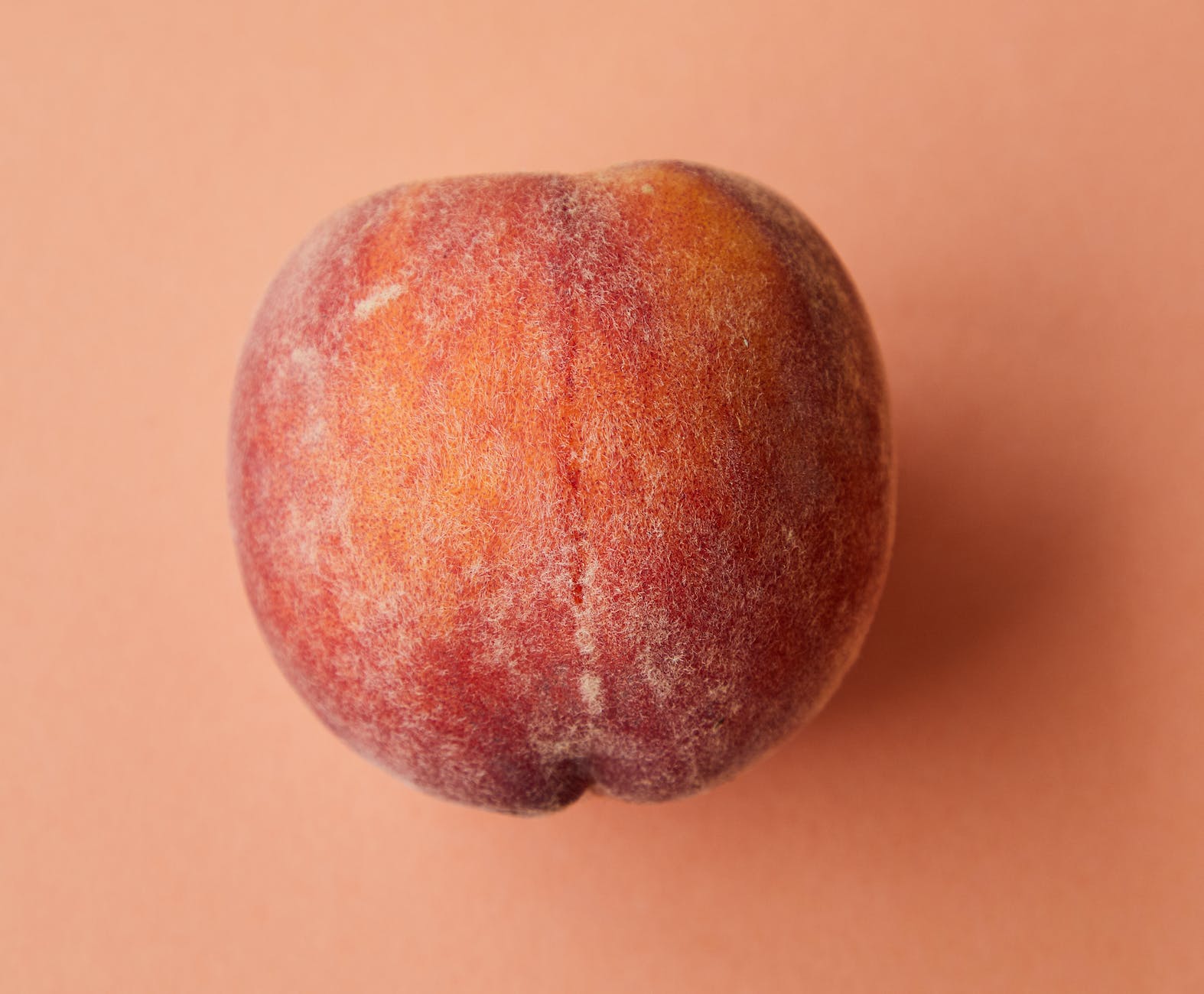
Apples, White Peaches, and Carrot Juice -Embrace Natural Goodness

Photo by Laker on Pexels.com
  • Red Apples: Bursting with natural sweetness, red apples provide a juicy foundation for your concoction.
  • White Peaches (or Yellow): These delicate fruits bring a touch of elegance and flavor to your blend.
  • Carrots: Rich in nutrients and color, carrots add a vibrant and healthful kick to your juice.
  • Knob of Ginger: Infusing your juice with a hint of warmth and zing, ginger offers both taste and potential health benefits.
  • Agave: A natural sweetener derived from the agave plant, agave nectar lends a gentle touch of sweetness.
  • Raw Filtered Honey: Nature’s golden elixir, raw honey brings a rich flavor and potential health benefits.
  • Vegan Honey: A plant-based alternative to honey, vegan honey offers a cruelty-free option for sweetness.
Apples, White Peach, & Carrots Juice Homemade

Food Guilt During The Holidays

Photo by Tima Miroshnichenko on Pexels.com

Can you believe that today is the last of October? That means that Thanksgiving is only three weeks away and right around the corner from Thanksgiving are all the wonderful holidays celebrated around the world such as Hanukkah, Christmas, and Kwanza. By the way in Canada Thanksgiving is celebrated in October!

During this of the year, many of us may experience something I would call food guilt. Meaning you feel guilty for eating badly during the holidays. But bad is something you should not feel during these special days especially when these holidays are meant to be a time of coming together and a time of joy. With that joy comes delicious foods and a variety of foods! Some of us may cook traditional foods during Thanksgiving such as turkey, stuffing, ham, sweet potato casserole, and some people put their own spins on Thanksgiving cooking creating dishes that they like and enjoy. For me, I love doing a mix of traditional and non-traditional foods during Thanksgiving.

Now when it comes to food let me tell you I used to be scared to consume so many calories during these holidays and be overly full to the point that I couldn’t buckle my pants. I used the think that during Thanksgiving you have to eat a lot of food but actually, you don’t. There is no rule that says you have to eat 3 plates of food during the holidays. The best way to approach eating during the holidays without feeling any guilt about it is to start with one plate of food and go in with the mindset of portion controlling how much food you take, then after that, if you feel like you still have some room for more then take another plate but do not overeat and most importantly allow your body some time to digest your first plate.

You should be able to enjoy what you eat during the holidays without feeling restricted. Eating is all about balance, find your balance and enjoy food!

Written By: Vanessa J.

Let’s Recap!

Nutrition Recap For February and March

So for the month of February and March on this blog and on Youtube my focus  was on Heart Health and Women’s Health. The month of February in the US is Heart Health Month and the month of March is Women’s History Month . I will leave the links below to the Youtube videos I did for February and March.

Now that we are in April, I just wanted to give a recap of some of the diseases and disorders that I discussed and nutrition recommendations for those diseases and disorders. ( Disclaimer I work in the field of Nursing and Nutrition but I am not a Medical Doctor. When making any major changes to your diet or health please consult with your primary care doctor or a Registered Dietitian).

  1. Multiple Sclerosis 
  • Disease of the central nervous system 
  • Central nervous system includes the brain and spinal or cord
  • Attacks the nerves or nerve cells 
  • Myelin sheath deteriorates
  • Myelin sheath helps nerve signals travel and covers the nerve cell
  • Sensory Motor and Cognitive Problems
  • Cause is unknown 
  • Linked to genetic and environmental factors
  • Genetic being a female and Certain Genes
  • Environmental factors infections and Vitamin D deficiency 
  • Four types of MS
  • vision problems
  • tingling and numbness
  • pains and spasms
  • weakness or fatigue
  • balance problems or dizziness
  • bladder issues
  • sexual dysfunction
  • cognitive problems

Nutrition for MS – There is some evidence that a diet low in saturated fats and supplemented by Omega-3 (from fatty fishes, cod-liver oil, or flaxseed oil) and Omega-6 (fatty acids from sunflower or safflower seed oil and possibly evening primrose oil) may have some benefit for people with MS.

Vitamin D is a hormone and has many functions in the body:

promotes the absorption of calcium, necessary for bone health

supports immune response to infections

helps to limit inflammation and regulate the immune system

Food sources of Vitamin D include oily fish (such as salmon or tuna), beef liver, egg yolks, pork, fortified foods such as milk and juices

Biotin is considered a form of vitamin B, and is a component of enzymes in the body that help break down certain substances. It also activates certain enzymes that help the body produce myelin – the substance wrapped around many nerves in the central nervous system. Biotin, also known as vitamin H, is usually obtained from food.

2. Cardiovascular Disease 

  • Can include any condition that affects the heart , blood vessels, hypertension , atherosclerosis, arteriolosclerosis , high blood pressure, blood clots
  • Heart diseases that affect women more than men include
  • Coronary microvascular disease (MVD) – a problem that affects the heart’s tiny arteries
  • Broken heart syndrome – extreme emotional stress leading to severe but often short-term heart muscle failure
  • Uncomfortable pressure, squeezing, fullness or pain in the center of your chest. It lasts more than a few minutes, or goes away and comes back.
  • Pain or discomfort in one or both arms, the back, neck, jaw or stomach.
  • Shortness of breath with or without chest discomfort.
  • Other signs such as breaking out in a cold sweat, nausea or lightheadedness

Nutrition for Cardiovascular Disease – Avoid junk foods, processed foods, fast foods. Stay away from saturated and trans fats. Eat fruits, vegetables, nuts, lean meats, fish such as salmon. Low Sodium Diet, Low Fat Diet/ Protein plus Fiber 

3. Lupus

  • Autoimmune Disease 
  • Inflammation and swelling takes place anywhere in the body and can attack any organ or organ system
  • Lupus affects everyone different some people might have mild symptoms and some people might have severe symptom
  • People will have flare ups and then go into remission 
  • Symptoms:
  • fatigue
  • fever frequent fevers
  • hair loss and hair thinning
  • rash butterfly shaped rash on cheek bones
  • pulmonary problems lungs can become inflamed and swollen 
  • kidney problems Inflammation of kidneys
  • swollen joints
  • gastrointestinal problems
  • thyroid problems
  • dry mouth and eyes

Nutrition for Lupus- Eat a well balanced diet with lots of fruits and vegetables and omega 3s Salmon, Tuna, Mackerel, and Sardine, Citrus fruits Vitamin C.

Avoid processed foods, junk foods, any foods that cause Inflammation in the body dairy is known to cause Inflammation in the body

Check out my YouTube Nutrition Coaching Videos: