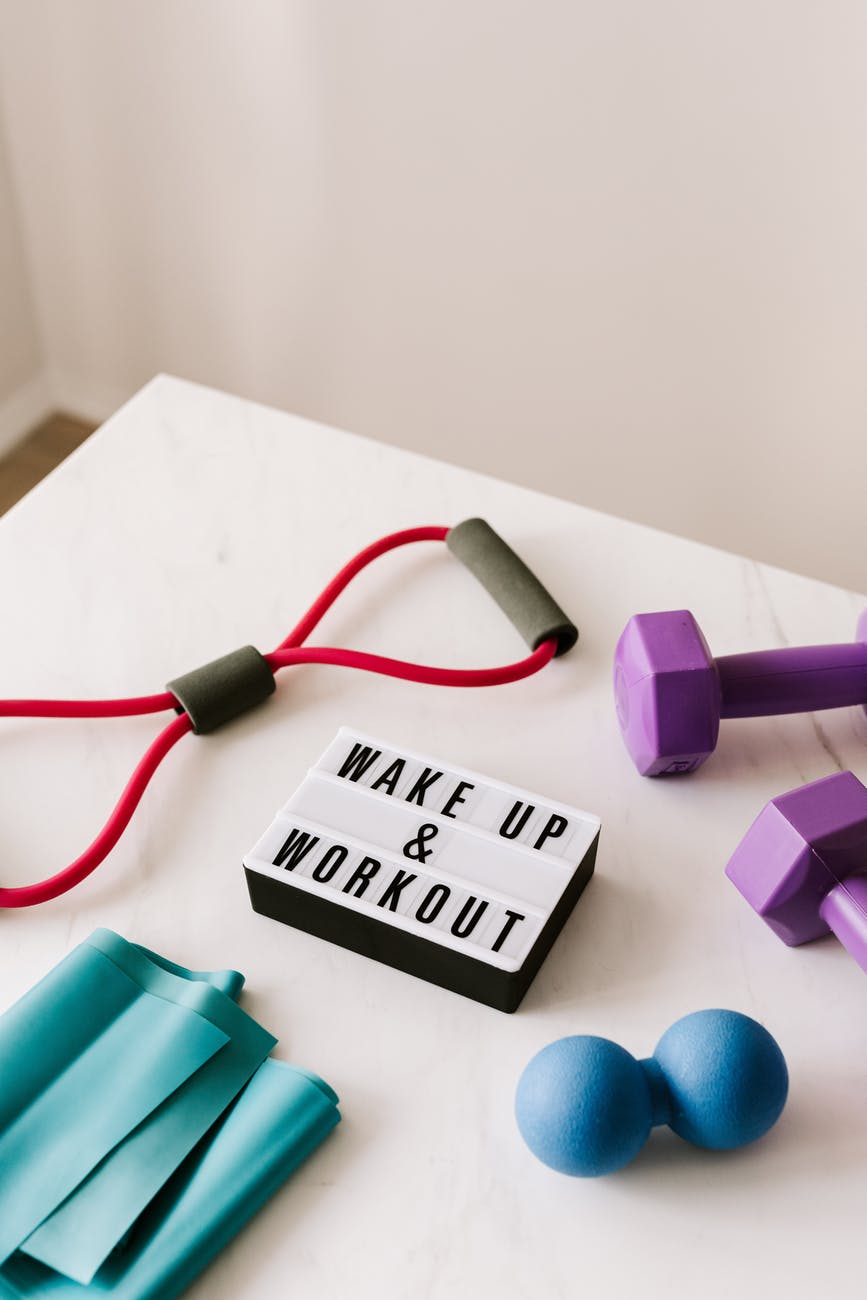
I absolutely love what the photo above says wake up and workout and ever since the pandemic started for some of us working out at home has become a part of our new normal routine. Last year I wrote part 1 to this blog post and it received some pretty good traction and so today since that blog post did so well I want to follow up with part 2 which is an at home workout video! Now I’m not saying I’m an expert when it comes to working out but I wanted to visually show you all some of the exercises I enjoy doing at home.
This blog post is for all my mama’s out there and mama’s to be. Let’s get real and let us talk about postpartum depression but only not postpartum but prepartum depression which is something I experienced the first few months of my pregnancy.
It is said that the cause for postpartum depression is unknown but can be linked to rise and drop in hormone levels after giving birth. After a woman gives birth they given six weeks before coming back for their first postpartum checkup. In my opinion that first visit just goes by really fast and because postpartum depression is such a big topic of discussion in motherhood and pregnancy one screening for postpartum depression is not enough. Thats exactly how it went for me and several mama’s out there. During your six week check up you are given a questionnaire to fill basically asking you questions in relation to how you are feeling at that time. If you score above a certain number on that questionnaire it may mean you might have postpartum depression.
After my six week visit everything was good and my doctor said to come back in a year. I was thinking to myself a year? Thats it? That is all? This is where I feel things go wrong screening for postpartum depression should not just be after the first six weeks but should continue throughout that first year of being postpartum.
As for my experience with prepartum depression which I am not sure is really a term but that’s what I would call it, I experienced this between my 2nd to 4th month pregnancy. I just remember feeling really down and like I didn’t feel like myself, I didn’t want to get out of bed. Throughout most of my pregnancy I did feel very sick and was nauseated and dry heaving almost everyday so some of those things could have played a factor to making me feel more depressed but it just a different feeling that I never felt before.
It is very important that we know the signs and symptoms of postpartum depression which are:
Depressed mood or severe mood swings
Excessive crying
Difficulty bonding with your baby
Withdrawing from family and friends
Loss of appetite or eating much more than usual
Inability to sleep (insomnia) or sleeping too much
Overwhelming fatigue or loss of energy
Reduced interest and pleasure in activities you used to enjoy
Intense irritability and anger
Fear that you’re not a good mother
Hopelessness
If you feel that you may be exhibiting any signs of postpartum depression please reach out to your primary care provider
Written By: Vanessa J
Check Out My Youtube Video on Postpartum Depression
This blog post is to simply announce that I have officially turned my blogpost into podcast! You can now listen to my blog post if you don’t feel like reading it. (Only if you don’t lol)
My Podcast is currently available on six platforms:
In today’s blog we are closing out our final topics that were specific to women, for the month of March and this post is going to be about Endometriosis. Now , I’m pretty sure many of you out there may already know what Endometriosis is and there are many that don’t.
If you have not heard about it before, endometriosis is a disorder that affects the female reproductive system. This disorder specifically affects the uterus. The uterus is the area in which when pregnancy occurs the baby grows while inside the embryo sac. The uterus also sheds every month during to release an egg and that is why we have bleeding and have our menstrual cycle.
The tissue that lines the uterus is called “endometrium”. What happens in endometriosis is that the endometrium tissue starts to grow outside of the uterus. The ovaries, fallopian tubes, and tissue in the pelvis can all be involved because the tissue growth can spread.
This is a condition that can be very painful for the women that do have it especially during the time of their monthly menstrual cycle that tissue becomes inflamed due to all the hormones that are being released.
The reason why I wanted to talk about nutrition for endometriosis is because Tia Mowry ( Twin from Sister Sister) has advocated for endometriosis because she has had it for many years and faced struggles with getting pregnant due to endometriosis. She also had to have multiple surgeries to removed the tissue that was growing outside of her uterus even though it would come back. She has advocated that changing her nutrition and diet is what helped her to not only get pregnant but manage her symptoms.
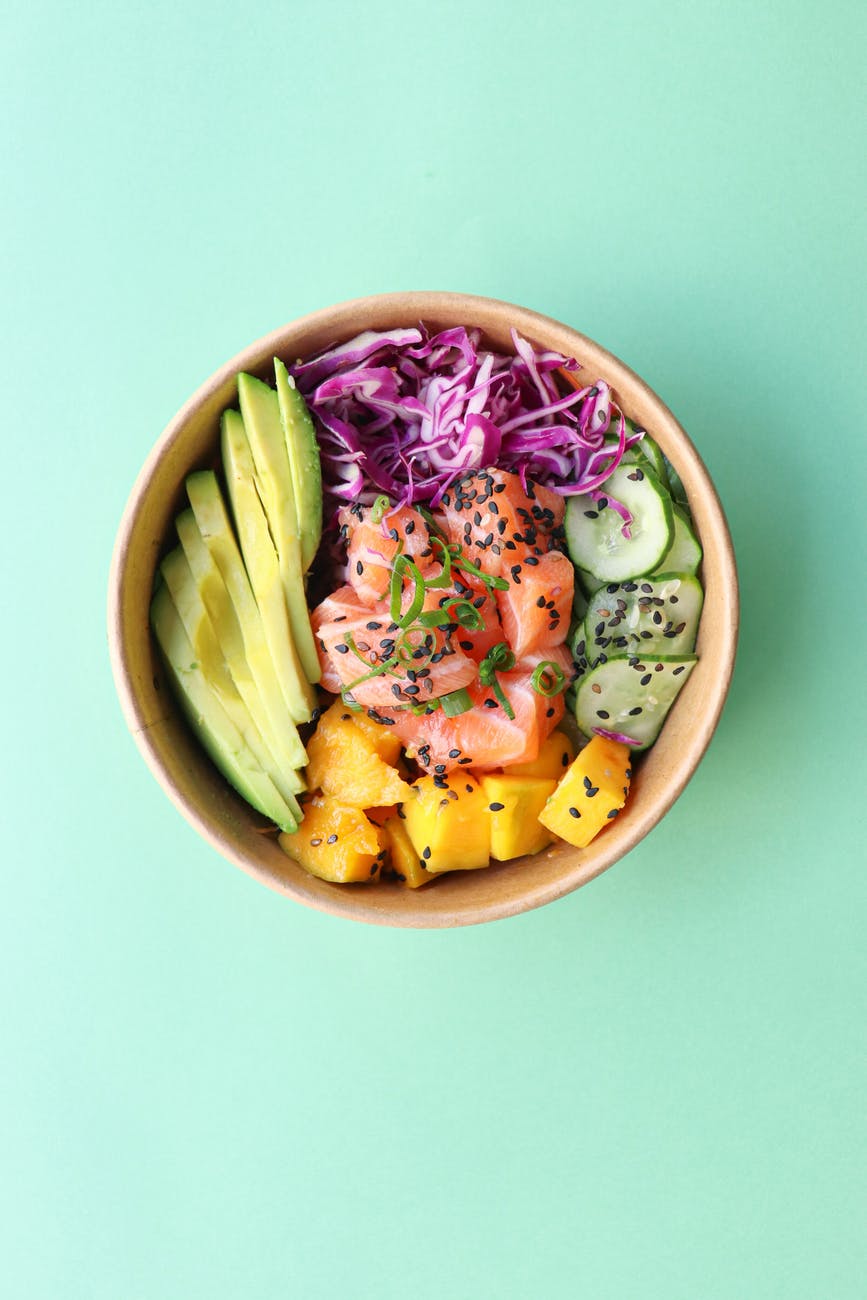
What she focused on was removing foods from her diet that triggered inflammation because it would cause the pain to be worse. She removed processed foods from her diet and a lot of dairy from her diet because dairy causes inflammation in the body. Eating more fruits, and vegetables, and fresh foods was a key to managing her symptoms.
I hope you all enjoyed reading this blog post and if any have questions about endometriosis or changing your diet please talk to your Primary Care Provider or a Registered Dietitian.
Now I know you guys have been waiting on this one and I’m a little late but I’m back! So lets talk about the GOOD FATS and the BAD FATS. Just as with carbohydrates there are healthy fats and not so healthy fats because what it can do to the body.
Let’s start with a little science:
Fat Molecules which are called “triglycerides are made up of chains and bonds
These chains and bonds can be single or double
These chains and bonds can have carbon atoms or hydrogen atoms
These chains and bonds will determine what type of fat you are dealing with
The GOOD:
When you hear about good fats you will usually hear “unsaturated”
Unsaturated fats have subcategories called “Mono-unsaturated” and “Poly-unsaturated
Mono-unsaturated fats is a fat molecule that has a single double bound and one of those bonds is an unsaturated carbon bond
Mono-unsaturated fats are liquid at room temperature and solid when cold
Mono-unsaturated fats help to reduce bad cholesterol in the body which is called LDL and HDL is the healthy cholesterol
Mono-unsaturated fats helps to maintain the cells in the body by giving it nutrients such as vitamin E
Same thing goes for Poly-unsaturated fats with the exception that it has more than one unsaturated carbon bond
Poly-unsaturated fats work in the same ways as mono-unsaturated fats helping the body to regulate cholesterol levels
Examples of Mono-unsaturated and Poly- unsaturated Oils:
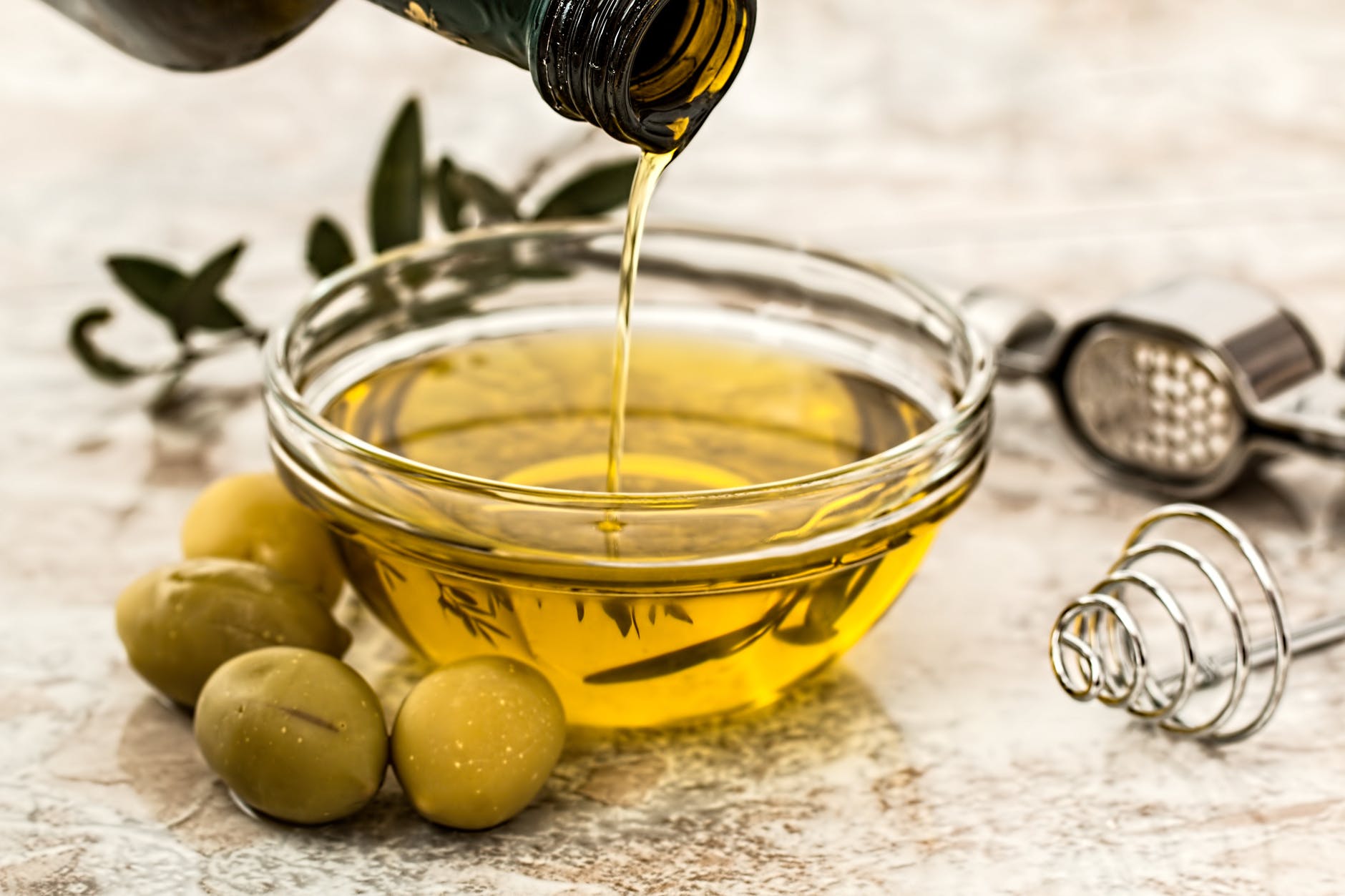
olive oil
canola oil
peanut oil
safflower oil
sesame oil
soybean oil
corn oil
sunflower oil
The BAD FATS
When we talk about bad fats there are two categories they fall into those categories are Hydrogenated and Partially Hydrogenated fats
We also we hear CIS and TRANS fat
Hydrogenated fats are processed poly unsaturated fats that have hydrogen added to them
Partially hydrogenated fats are also processed artificially as well
CIS fats are fats that have a double bond with carbons on the same side
Trans fats are fats that have a double bond as well but hydrogen and carbon are on opposite sides of the bond and this is what makes it bad
Trans fats are the worse fats for your health. They don’t go rancid, they are more stable during deep frying and can change the texture of your food
How do you know if a food has Trans fat in it? good question you will know that it does if the label of any food states that it is partially hydrogenated because that is how trans fats are made
What foods can you find Trans Fat in ? Basically in any foods that may be fried like fried chicken, fried fish, fried doughnuts and other foods that are not fried like pizza, hamburgers, cookies, pastries etc..

 NutriFoody Wholly Holism