
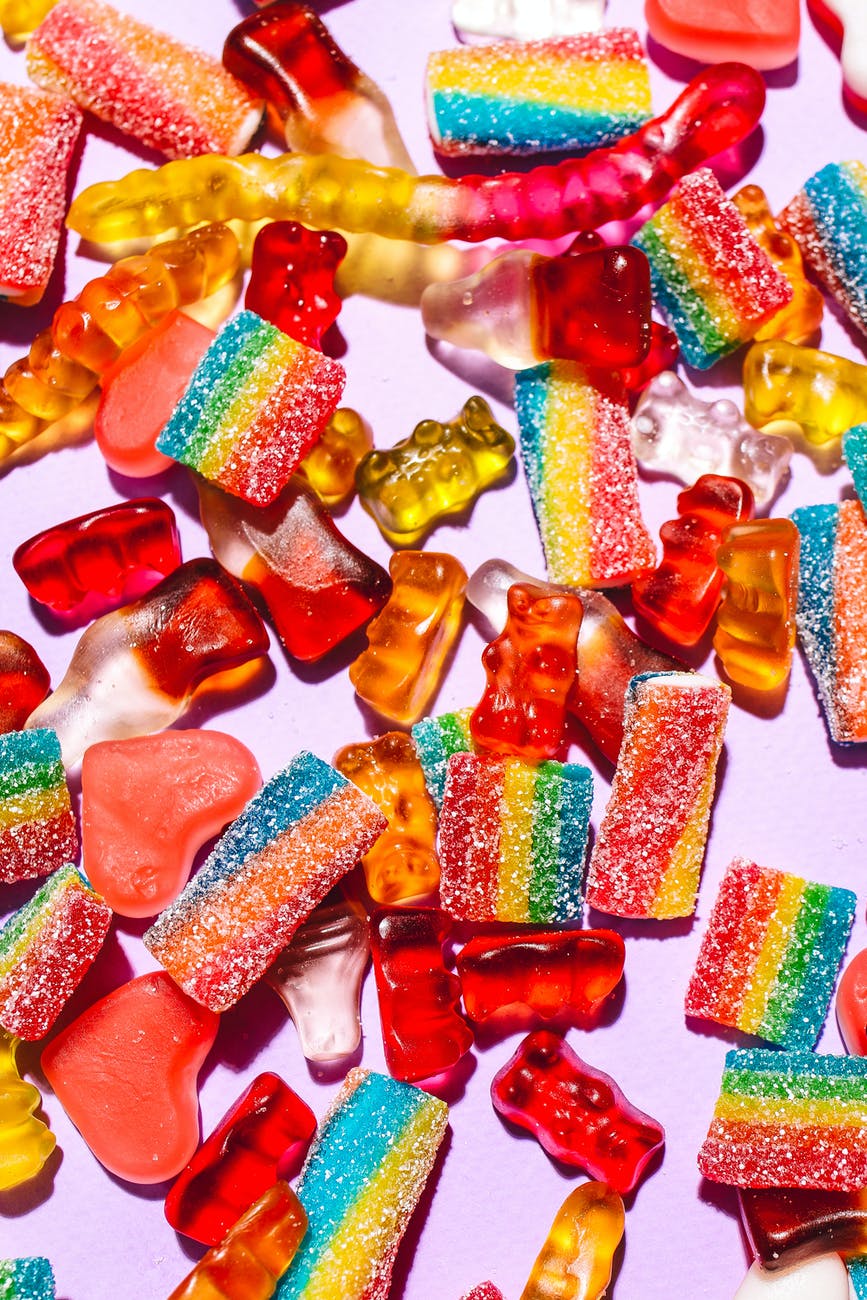
Why is sugar so bad? Sugar is not your friend

Photo by Polina Tankilevitch on Pexels.com

Well guys , it is the holidays and Christmas is literally less than four days away Whew! I know with everything that has been happening in 2020 we are looking forward to the holidays. One thing some of us look forward to is having our SWEETS! Yes I said it SWEETS. For most of us it all really starts with Thanksgiving, and we are not usually working on our summer bodies at this time. I always have a sweet and a lot of the time I have to remind myself to get that under control and not go overboard. With that being said now I will let you know all the reasons why sugar is not your friend:

1. Too much sugar consumption leaves the door open for many diseases and disorders

2.  Too much sugar in diet can cause you to crash and feel sluggish

3. Too much sugar in the diet opens the avenue to Type 2 Diabetes due to an excess in sugar in the body can lead to insulin resistance

4. More prone to cancer

5.Weight Gain

6. Heart Disease

7. Arthrosclerosis and so much more

Now that you know why sugar is not your friend , how are you going to work on limiting it in your diet? To start always read your nutritional facts label that is where you will find out how much sugar is in your food. Also keep in mind if a food item is more than one serving and you eat more than one you will consume more sugar per serving. Try other alternatives to sweetening your food such as honey, agave, and stevia. I’ve even heard now that there is coconut sugar ! It is recommended that men should have 37 grams or 9 teaspoons of sugar a day while women can have 25 grams or 6 teaspoons of sugar a day according to the American Heart Association. Now that is not a lot so you can see why controlling our sugar cravings is so important. Make sure this holiday not to splurge to much sweets but also enjoy what can in moderation. Happy Holidays! Stay Safe

Check out my Youtube Video on why Sugar is not your friend

Watch Now!

What Are The Best Reflux Recipe Books?

Image by Free-Photos from Pixabay

Excuse me all for as I have been away for quite some time but now I am back! As you guys already know from reading through my blog I have LPR (Laryngopharyngeal Reflux) Acid Reflux. It not has been an easy journey with acid reflux and I’ve had many moments where I have struggled through it. Psychologically and emotionally at one point, I thought that I would never be able to eat a normal diet ever again. It took a lot of hard work and effort but now I am in a much better place with managing my reflux. As much as you can take medications for reflux it is 80 percent about your diet and what you are eating. So eventually you will have to make those necessary changes in food choices that you will carry with you for years to come.

On my Instagram page: @ Acidrefluxx_ many of my followers have been asking me what are some of the best recipe books for acid reflux. To answer that there are many to choose from. What I do before purchasing any is books is making sure I skim through the reviews and check the contents page to see if the recipes are ones that interest me and I am willing to try out because everyone has their preferences.

Where Does The “Acid” Come From in Acid Reflux?

The Stomach contains what is known as Gastric Acid, Gastric Juices, or Stomach Acids. The reason why we have all these acids in our stomach is due to the fact that acids are responsible for breaking down the foods we put into our bodies. Foods such as Carbohydrates, Fats, and Proteins. The stomach acids do not work alone, certain enzymes are also needed to break down the foods we eat. (Digestive Enzymes to be exact!) Digestive enzymes are made in the pancreas, stomach, small intestine, and salivary glands.

What are Enzymes?

  • They are proteins
  • They help to “speed up” chemical reactions

What are the different Stomach Acids?

  • Hydrochloric Acid (HCL)
  • Potassium Chloride (KCL)
  • Sodium Chloride (Nacl)

So when it comes to Acid Relux these acids can be damaging even though these acids are need by the body.

Two important proteins when we think about Acid Reflux are Pepsinogen and pepsin. Pepsinogen is an inactive protein that is found in the lining of the stomach walls. It becomes activated when digestion begins and enters into the stomach. Once in the stomach Pepsinogen is mixed with Hydrochloric Acid where it then becomes pepsin. Pepsin is highly acidic. That is why when we have Reflux that Reflux contents contain pepsin and that is what causes damage to the esophagus and the throat (for people with LPR). 

So the next time you think about Acid Reflux think about what are all these acids and why do we need these acids.