Exciting Update! After months of dedicated effort and some delays, I’m thrilled to announce that the inaugural edition of my monthly newsletter is finally here! Traditionally, newsletters often require sign-ups or subscriptions, but I’ve made the decision to offer mine directly to all of you! Nutrition is my passion, and I believe that access to valuable nutrition information should be available to everyone who visits my page. Starting between the first and second week of each month, you can expect a new edition of the newsletter. Remember, making healthy choices is within everyone’s reach. I hope you find this edition informative and enjoyable. Feel free to share your thoughts and comments below—I’d love to hear from you!
Indulging in sweet treats should be a good experience for everyone, regardless of dietary restrictions. If you or someone you know has a nut allergy but still craves the creamy, nutty goodness of traditional peanut butter cookies, you’re in luck! In this blog post, we’ll show you how to whip up a batch of nut-free nutter butter cookies using oat flour, maple syrup, and a nut-free nut butter. Get ready to satisfy your sweet tooth with this easy and allergy-friendly recipe.
Ingredients:
– 1 cup oat flour (gluten-free if needed)
– 1/2 cup nut-free nut butter (such as sunflower seed butter or soy nut butter)
– 1/4 cup pure maple syrup
– 1/4 cup coconut oil, melted
– 1 teaspoon vanilla extract
– Pinch of salt
Instructions:
1. Preheat your oven to 350°F (175°C) and line a baking sheet with parchment paper.
2. In a mixing bowl, combine the oat flour and salt. Stir until well combined.
3. In a separate bowl, whisk together the nut-free nut butter, maple syrup, melted coconut oil, and vanilla extract until smooth and creamy.
4. Gradually add the wet ingredients to the dry ingredients, stirring until a thick dough forms. If the dough is too sticky, you can add a little more oat flour until it reaches the desired consistency.
5. Using a tablespoon or cookie scoop, portion out the dough and roll it into balls. Place the balls onto the prepared baking sheet, leaving some space between each one.
6. Use a fork to gently flatten each cookie and create a crisscross pattern on top.
7. Bake the cookies in the preheated oven for 10-12 minutes, or until lightly golden around the edges.
8. Remove the cookies from the oven and allow them to cool on the baking sheet for a few minutes before transferring them to a wire rack to cool completely.
9. Once cooled, enjoy your nut-free nutter butter cookies with a glass of almond milk or your favorite dairy-free beverage!
Why You’ll Love These Cookies:- Nut-Free: Made with a nut-free nut butter, these cookies are safe for individuals with nut allergies to enjoy.- Easy to Make: With just a few simple ingredients and minimal prep time, these cookies are perfect for busy bakers.- Allergy-Friendly: Free from gluten, dairy, and eggs, these cookies are suitable for those with a variety of dietary restrictions.
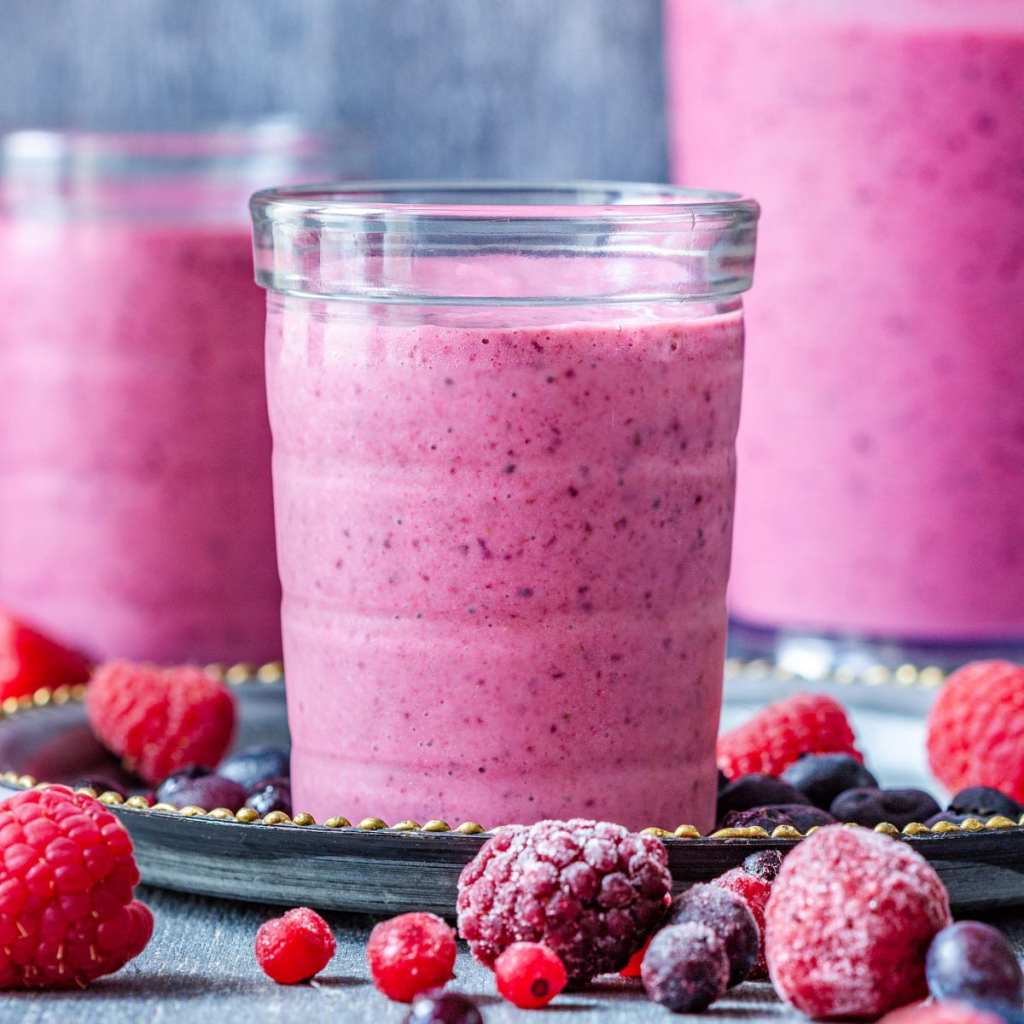
This time of the year is the best time to focus on boosting our immune systems and building our immunity. We have so many things going around these days it should be at the top of our list. I love a good berry smoothie and to be honest my favorite of all berries are blueberries (plus they are a superfood!) The great thing about this smoothie is that anyone can drink it including little ones. Give it a try and let me know what you think! – Vanessa J
Ingredients:
1 cup frozen mixed berries (blueberries, strawberries, raspberries)
1/2 ripe banana
1/2 cup plain or vanilla almond milk
1/2 cup Greek yogurt (or plant-based yogurt for a vegan option)
1 tablespoon chia seeds
1 tablespoon honey or maple syrup (optional for sweetness)
1 teaspoon fresh ginger, grated
1 teaspoon turmeric powder
1/2 teaspoon cinnamon
Ice cubes (optional for a colder smoothie)
Instructions:
Prepare Ingredients:
Gather all the ingredients and ensure the berries and banana are frozen for a refreshing consistency.
Blend:
In a blender, combine the frozen berries, banana, almond milk, Greek yogurt, chia seeds, honey or maple syrup (if using), grated ginger, turmeric powder, and cinnamon.
Blend Until Smooth:
Blend the ingredients until you achieve a smooth and creamy texture. If the smoothie is too thick, you can add more almond milk.
Taste and Adjust:
Taste the smoothie and adjust the sweetness or spiciness according to your preference. You can add more honey, ginger, or turmeric as needed.
Serve:
Pour the winter berry smoothie into a glass. If desired, add ice cubes for an extra chill.
Additional Tips:
Customization: Feel free to customize the smoothie by adding other immune-boosting ingredients like spinach, kale, or a scoop of plant-based protein powder.
Garnish: Garnish the smoothie with a sprinkle of chia seeds, a few fresh berries, or a slice of citrus for an extra nutrient boost.
Benefits of Ingredients:
Berries: Packed with antioxidants and vitamin C.
Banana: Provides potassium and natural sweetness.
Almond Milk: A good source of vitamin E.
Greek Yogurt: Contains probiotics for gut health.
Chia Seeds: Rich in omega-3 fatty acids and fiber.
Ginger: Known for its anti-inflammatory properties.
Turmeric: Contains curcumin, known for its anti-viral and anti-inflammatory benefits.
Cinnamon: Adds warmth and may have immune-boosting properties.
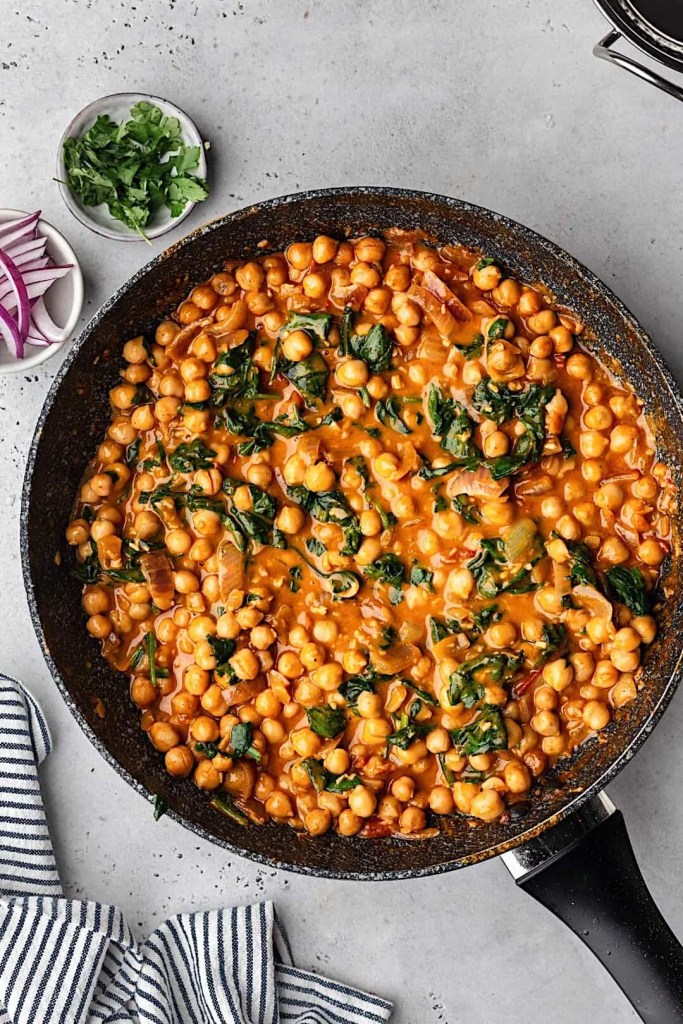
Can you believe we are already entering the third week of January? Now this recipe I am going to share with you if perfect for if you are looking to find a dish to make for veganuary or just in general looking for a good meatless dish. The first time I tried making a chickpea curry was last year during the holidays for 2023. First I made it for Thanksgiving and my family requested it again for a family dinner in December ( I no longer celebrate Christmas so we just do family dinners). It is creamy, delicious, and flavorful I absolutely love it every time and I will probably be putting this on my meal plan for this week!
Ingredients:
1 can chickpeas, drained and rinsed
1 onion, finely chopped
3 cloves garlic, minced
1 tablespoon curry powder
1 teaspoon ground cumin
1 teaspoon ground coriander
1 can diced tomatoes
1 can coconut milk
4 cups fresh spinach
Salt and pepper to taste
Instructions:
In a large pan, sauté the chopped onion and garlic until translucent.
Add the curry powder, ground cumin, and ground coriander. Stir well to coat the onions and garlic with the spices.
Pour in the diced tomatoes and coconut milk. Bring to a simmer.
Add the chickpeas and let the curry cook for 15-20 minutes, allowing the flavors to meld.
Just before serving, fold in the fresh spinach until it wilts.
Season with salt and pepper to taste.
Serving Suggestions:
Serve the curry over a bed of fluffy basmati rice or quinoa.
Garnish with fresh cilantro and a squeeze of lime juice.
Benefits of Chickpeas and Spinach:
Rich in Plant-Based Protein:
Chickpeas are an excellent source of plant-based protein, making them a valuable addition to vegetarian and vegan diets. Protein is essential for muscle repair, growth, and overall body function.
High in Dietary Fiber:
The high fiber content in chickpeas supports digestive health by promoting regular bowel movements and preventing constipation. Fiber also helps in maintaining stable blood sugar levels.
Regulates Blood Sugar Levels:
Chickpeas have a low glycemic index, which means they have a minimal impact on blood sugar levels. This makes them a suitable food for individuals with diabetes or those looking to manage blood sugar.
Heart Health:
The combination of fiber, potassium, and antioxidants in chickpeas contributes to heart health by reducing cholesterol levels and supporting healthy blood pressure.
Provides Essential Nutrients:
Chickpeas contain essential nutrients such as iron, magnesium, zinc, and B-vitamins, contributing to energy production, immune function, and overall well-being.
Weight Management:
The fiber and protein content in chickpeas promote a feeling of fullness, which can be beneficial for weight management by reducing overall calorie intake.
Spinach:
Abundant in Nutrients:
Spinach is packed with vitamins A, C, K, and folate, as well as minerals like iron and magnesium. These nutrients are crucial for various bodily functions, including immune support, bone health, and blood clotting.
Rich in Antioxidants:
Spinach contains antioxidants, such as beta-carotene and lutein, which help protect the body’s cells from oxidative stress and may reduce the risk of chronic diseases.
Promotes Healthy Vision:
Lutein and zeaxanthin, present in spinach, are associated with promoting eye health and reducing the risk of age-related macular degeneration.
Anti-Inflammatory Properties:
Spinach contains phytonutrients that have anti-inflammatory properties, which may help reduce inflammation in the body and lower the risk of chronic diseases.
Supports Bone Health:
The high vitamin K content in spinach is essential for bone health as it plays a role in calcium absorption and bone mineralization.
Aids Digestive Health:
The fiber in spinach contributes to digestive health by promoting regular bowel movements and supporting a healthy gut microbiome.
Low in Calories:
Spinach is low in calories but high in nutrients, making it a nutrient-dense choice for those looking to maintain a healthy weight.
As you embark on your Veganuary journey, remember that it’s not about perfection but progress. Every plant-based meal you enjoy contributes to a healthier you and a healthier planet. Join the global movement, savor the flavors, and discover the joy of compassionate eating.
Winter is a season of chilly winds, cozy blankets, and unfortunately, the sniffles . (By the way winter has now become one of my favorite seasons minus the snow I love getting a break from heat waves and bugs). As we navigate the colder months, supporting our immune system becomes a top priority. Last year towards the end of the summer my husband, son, and I caught Covid coming back from a trip from Florida then two weeks later after recovering my son gets sick and then I get bronchitis and it took me two months to recover! So taking care of our immune system is so important.
Thankfully, nature provides an array of superfoods packed with immune-boosting properties. Let’s explore these winter wellness warriors that can help fortify your body against seasonal challenges.
1. Citrus Fruits: Citrus fruits like oranges, grapefruits, lemons, and clementines are renowned for their high vitamin C content. This essential nutrient plays a crucial role in supporting the immune system by stimulating the production of white blood cells and protecting cells from damage.
2. Berries: Berries such as strawberries, blueberries, and raspberries are rich in antioxidants, including vitamin C and polyphenols. These antioxidants help neutralize free radicals in the body, contributing to a strengthened immune response. ( I love love love blueberries, eat them as is or throw them in a smoothie or salad!)
3. Garlic: Known for its antimicrobial and anti-inflammatory properties, garlic has been used for centuries to ward off infections. It contains allicin, a compound with potent immune-boosting benefits. Consider adding garlic to soups, stews, or roasted vegetables for both flavor and health benefits.
4. Ginger: A natural anti-inflammatory, ginger is a versatile root that can be incorporated into teas, smoothies, or savory dishes. It possesses antimicrobial properties and may help soothe sore throats and reduce inflammation, contributing to overall winter wellness.
5. Spinach: Dark leafy greens like spinach are loaded with vitamins, minerals, and antioxidants. In particular, spinach is a great source of vitamin C, vitamin A, and folate, all of which support immune function. Add spinach to salads, soups, or sautés for a nutrient-packed boost.
6. Nuts and Seeds: Almonds, sunflower seeds, and pumpkin seeds are excellent sources of vitamin E, a powerful antioxidant that helps protect cells from damage. Additionally, these nuts and seeds provide essential nutrients like zinc, which plays a crucial role in immune system function.
7. Yogurt: Probiotics, found in yogurt and other fermented foods, contribute to a healthy gut microbiome. Since a significant portion of our immune system resides in the gut, maintaining gut health is paramount for overall immunity. Choose plain, probiotic-rich yogurts for maximum benefits.
8. Turmeric: The vibrant yellow spice, turmeric, contains curcumin, a compound with potent anti-inflammatory and antioxidant properties. Consider adding turmeric to soups, curries, or golden milk for a warm and immune-boosting treat. ( Don’t forget to add black pepper to activate the turmeric properties)
9. Green Tea: Rich in antioxidants, green tea has been associated with numerous health benefits, including immune support. Enjoy a comforting cup of green tea to stay hydrated while reaping the immune-boosting benefits. ( I am loving matcha lattes minus the sugary stuff make sure to make it healthy)
10. Sweet Potatoes: Sweet potatoes are a fantastic source of beta-carotene, a precursor to vitamin A. Vitamin A is essential for maintaining the health of the skin and mucous membranes, which act as barriers to pathogens.
As we navigate the winter season, incorporating these immune-boosting superfoods into our diet can fortify our defenses and contribute to overall winter wellness. Remember to maintain a balanced diet, stay hydrated, and prioritize other healthy lifestyle habits to support your immune system throughout the colder months.

 NutriFoody Wholly Holism