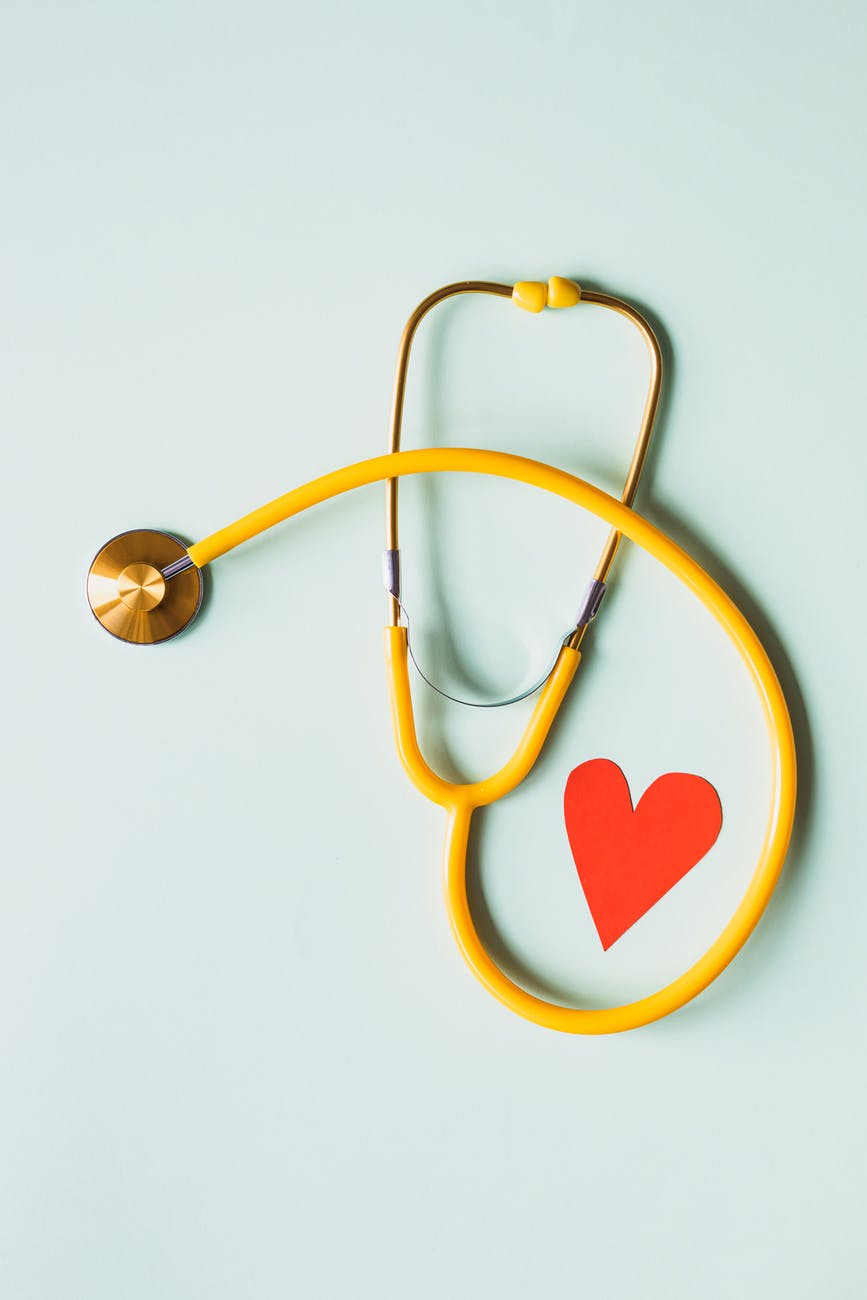
Heart Disease and Women

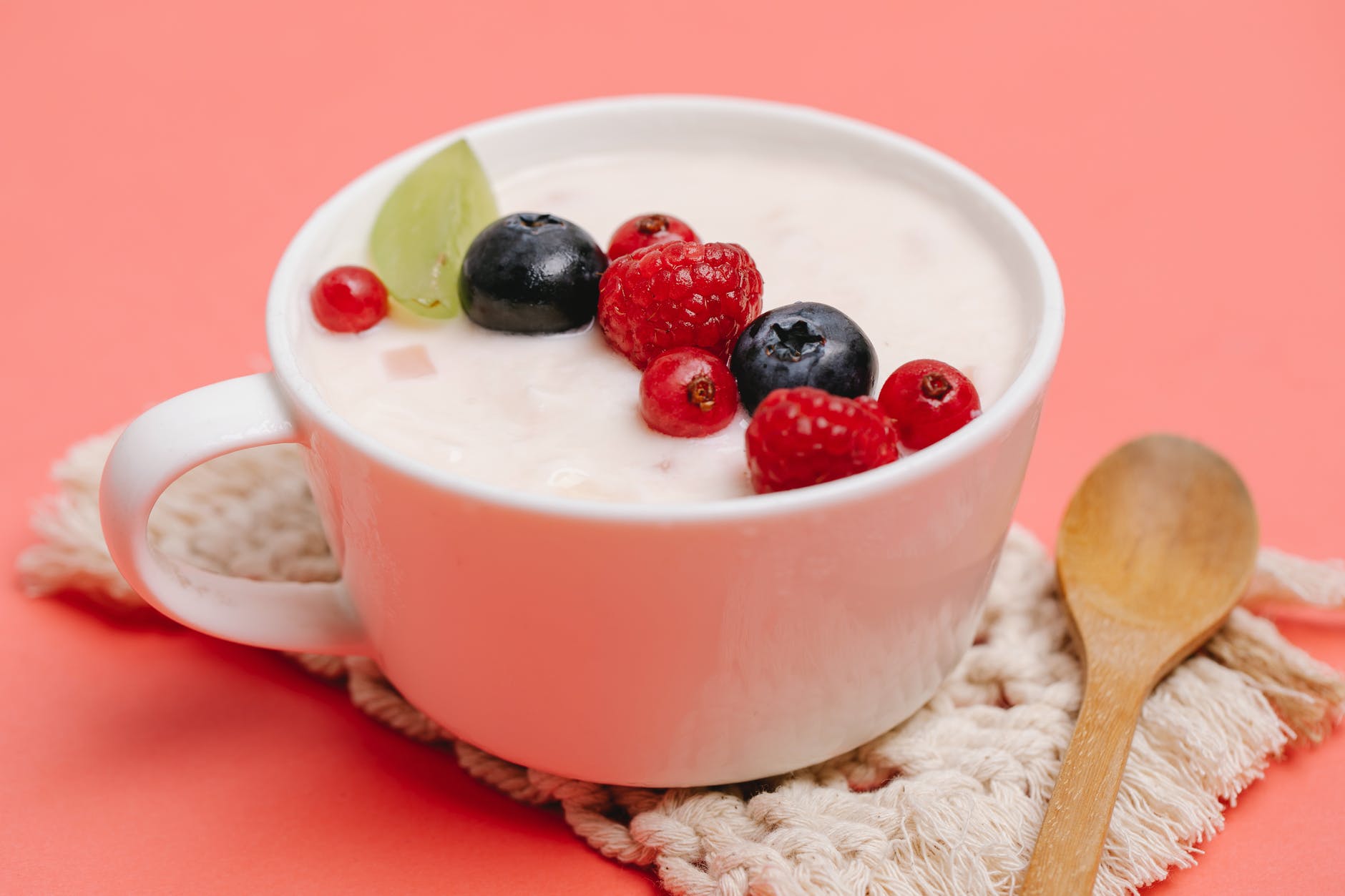
Photo by Karolina Grabowska on Pexels.com

For Women’s History Month I want to talk about diseases and disorders that affect women, especially from a nutritional aspect and heart disease tops the list. Did you know that heart disease is America’s number one top killer? Heart disease kills more American than all the wars combined that this country has had (referenced from the book “How Not To Die by Dr.Gregor).

The thing about this about heart disease is that it is totally 100 percent preventable. That is if we aim to eat a healthy diet of course. The typical standard American diet is far from healthy, unfortunately. The American diet is made up of mostly what is considered fast foods such as hamburgers, hot dogs, French fries, pizza, onion rings, chicken nuggets, and milkshakes. Now that is not a diet we can survive off of for a long time because it’s so detrimental to our health and is doing so much damage to our bodies on the inside.

Heart disease is the leading cause of death in women killing about 1 in every 5 female deaths (CDC). Now that is a high very high number and very frightening. Many things can fall under the bracket of heart diseases such as coronary artery disease, arteriosclerosis, atherosclerosis, high cholesterol, hypertension, heart failure, and heart attack.

I will explain what each is that falls under this category.

Coronary Artery Disease (CAD): Coronary arteries supply blood to the heart muscle and are the large arteries found on the surface of the heart. When someone had CAD the arteries become diseased or damaged. This is caused by the buildup of cholesterol plaque in the arteries blocking the blood flow to the heart.

Arteriosclerosis: This happens when blood vessels that carry oxygen and nutrients away from the heart to the rest of the body become thick and stiffen up. Healthy arteries should be flexible and elastic.

Atherosclerosis: This is a type of arteriosclerosis where the buildup of fat and cholesterol forms something called plaque in the arteries. This can eventually lead to arteries being blocked.

High Cholesterol: The level of cholesterol in your blood is high which can be a predisposition to heart disease.

Hypertension: High blood pressure which can affect the heart leading to a heart attack or stroke

Heart Failure: In this condition, the heart doesn’t pump blood as well as it should.

Heart Attack: Total blockage of an artery leading to the heart

Despite knowing all this the rate of heart disease continues to rise. Some things you can do to improve your heart health are

  • Limiting your intake of fast foods. Fast foods are meant to enjoy once in a while not eat everyday
  • Limit your intake of processed foods. Sometimes it can be hard to avoid processed foods because these days it can seem like everything is processed but try swapping out processed foods for whole foods. Whole foods like eating fruits and vegetables are more filling and don’t raise your blood sugar so high and keep you fuller throughout the day.
  • Drink WATER! Drinking water is essential to life. Drinking water helps keep our circulatory system moving along and helps rid of the toxins in our bodies. Stay away from juices and sugary drinks that provide nothing but empty calories.
  • Limit your intake of certain types of meat such as red meat. Yes, it can be hard do that but consuming too much meat can clog up our arteries
  • Lastly, keep those sweets in check! Avoid eating too many candies, cookies, pastries, and cakes. It may be good in the moment be eating this regularly does not do any good for our bodies.

References: Centers of Disease Control: Lookup Heart Disease

How Not To Die By: Dr. Gregor

Food Guilt During The Holidays

Photo by Tima Miroshnichenko on Pexels.com

Can you believe that today is the last of October? That means that Thanksgiving is only three weeks away and right around the corner from Thanksgiving are all the wonderful holidays celebrated around the world such as Hanukkah, Christmas, and Kwanza. By the way in Canada Thanksgiving is celebrated in October!

During this of the year, many of us may experience something I would call food guilt. Meaning you feel guilty for eating badly during the holidays. But bad is something you should not feel during these special days especially when these holidays are meant to be a time of coming together and a time of joy. With that joy comes delicious foods and a variety of foods! Some of us may cook traditional foods during Thanksgiving such as turkey, stuffing, ham, sweet potato casserole, and some people put their own spins on Thanksgiving cooking creating dishes that they like and enjoy. For me, I love doing a mix of traditional and non-traditional foods during Thanksgiving.

Now when it comes to food let me tell you I used to be scared to consume so many calories during these holidays and be overly full to the point that I couldn’t buckle my pants. I used the think that during Thanksgiving you have to eat a lot of food but actually, you don’t. There is no rule that says you have to eat 3 plates of food during the holidays. The best way to approach eating during the holidays without feeling any guilt about it is to start with one plate of food and go in with the mindset of portion controlling how much food you take, then after that, if you feel like you still have some room for more then take another plate but do not overeat and most importantly allow your body some time to digest your first plate.

You should be able to enjoy what you eat during the holidays without feeling restricted. Eating is all about balance, find your balance and enjoy food!

Written By: Vanessa J.

The New Normal Exercising at Home Part 2

Photo by Karolina Grabowska on Pexels.com

I absolutely love what the photo above says wake up and workout and ever since the pandemic started for some of us working out at home has become a part of our new normal routine. Last year I wrote part 1 to this blog post and it received some pretty good traction and so today since that blog post did so well I want to follow up with part 2 which is an at home workout video! Now I’m not saying I’m an expert when it comes to working out but I wanted to visually show you all some of the exercises I enjoy doing at home.

Join along with me! 14 minute video

https://pagead2.googlesyndication.com/pagead/js/adsbygoogle.js?client=ca-pub-1012843902387258

Portion Sizing Is it really necessary?

Photo by Any Lane on Pexels.com

Now as we are getting towards the end of the month into a new month the last thing that I would like to talk about in terms of dieting is portion sizing. Since January we have been talking about sugars, carbs ,  dieting and now portion sizing. The first question is how many of you actually take the time to do this? Portion sizing can seem a bit tedious to many people but it is actually is very important especially if you are trying to watch your weight or want to lose weight. As many of you know if you know if we do not do this the result will be overeating and weight gain.

For me I’ve been putting this into practice now more then ever because over the past two years I have gained a good amount of weight. The first tip that I would give when it comes to portion sizing is that in order to know what your portion size is you have to know what the serving size is. Well where do you find the serving size? I’m glad you asked! The serving size is found at the very top of a nutrition facts label. Your serving size tells you how much calories you will get out of one serving. Once you have figured out your serving size then you can portion size. Not everything comes with a nutrition facts label so you are going to have to do some extra research and there are a lot of apps that can track calories for you if your are unable to figure out the calorie and serving size. The next tip I would give is use your measuring tools to help you portion your food. For myself I used dry measuring cups to measure out most of my food. For example if the cereal box says 1 cup is the serving size I use my dry measuring cup to scoop it out not so bad!.

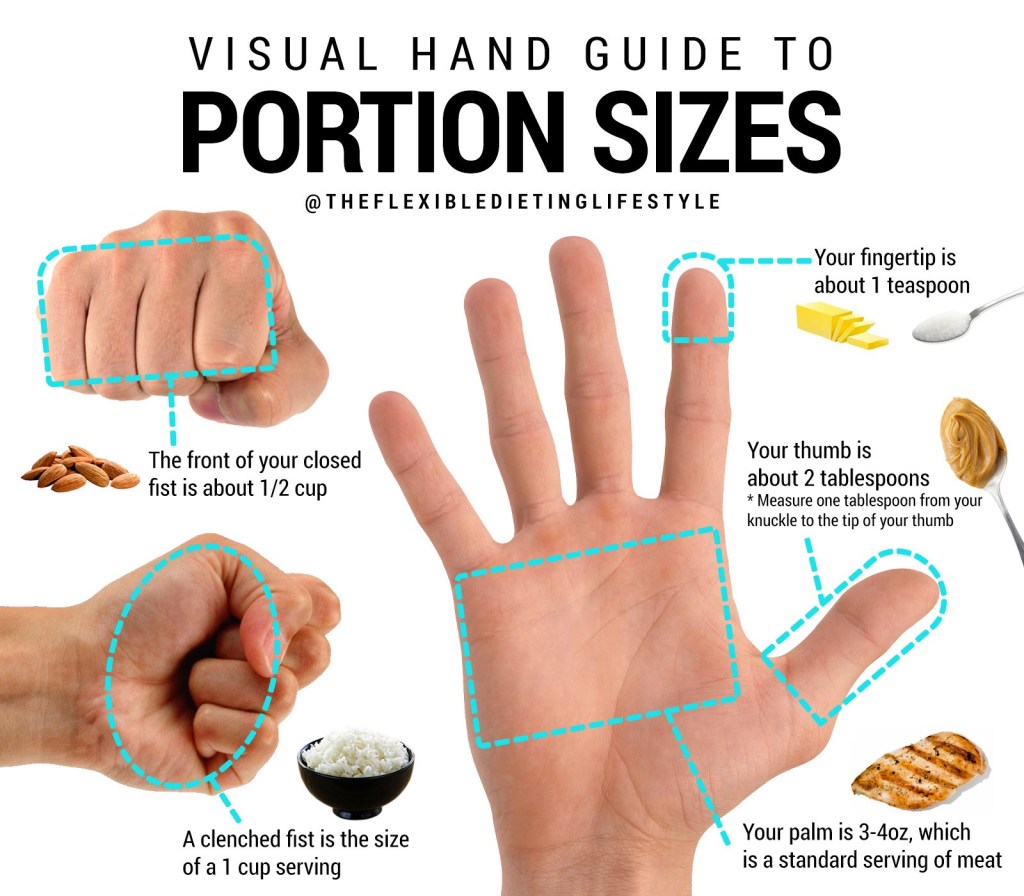
Now figuring out the portion sizes for other things such as meat and fish can be pretty tricky those things are usually measured by the ounce so I found some guides that use your hands to portion out your food. I will put that picture guide down below. Overall, portion sizing is really not that scary and easy to do so don’t run away from it be smart and portion!

I do not own this photo. This photo was found using a google search for free images
Check out my Youtube video on portioning

Vegan and Vegetarian Diets

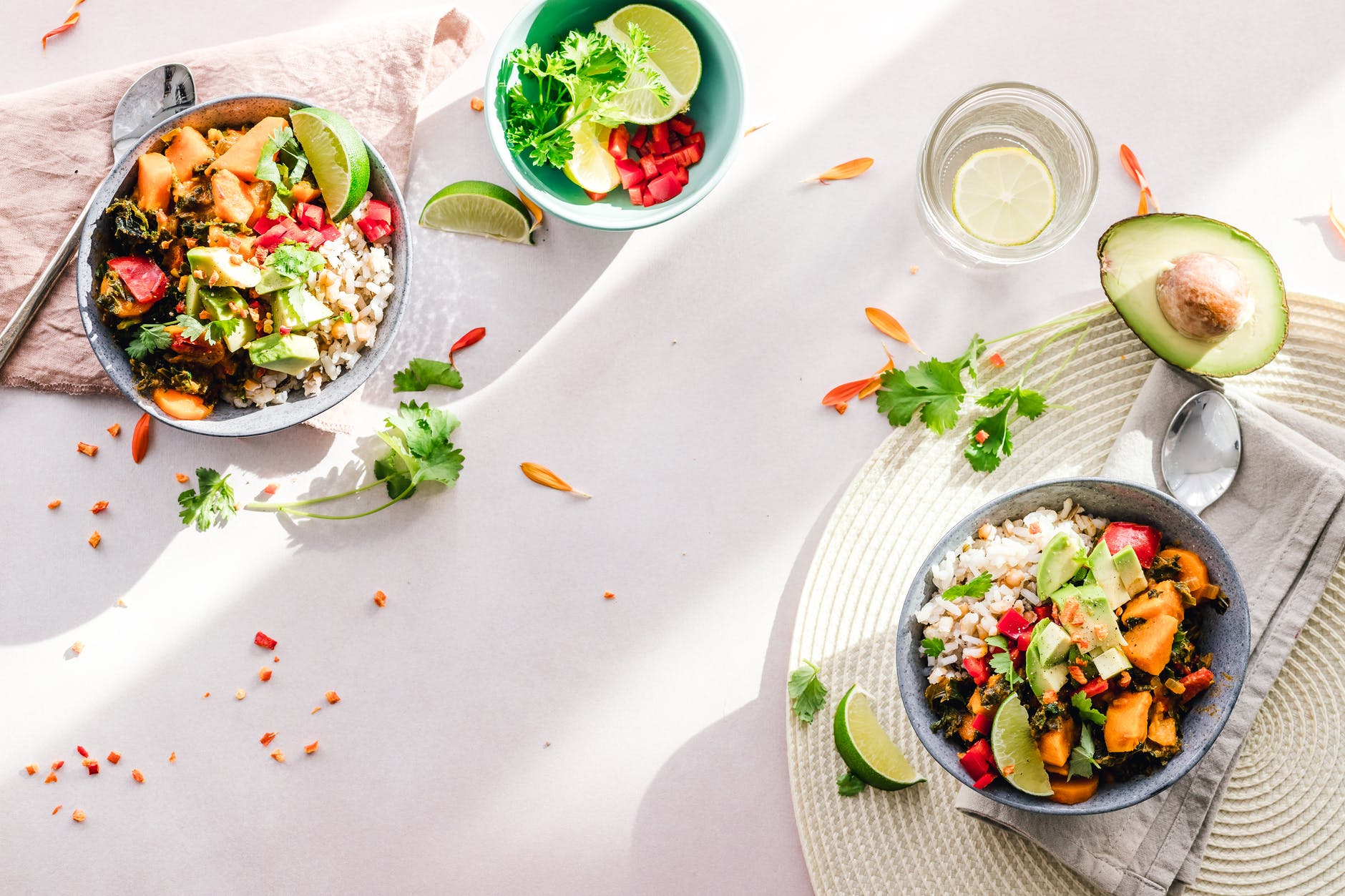
Photo by Ella Olsson on Pexels.com

As I mentioned in my last blog post I would still be on the topic of diets. This week I am going to be taking about vegan diets and vegetarian diets.What both diets have in common is that they do not consume any animals products. Did you know that there are 5 types of vegan diets and 5 types of vegetarian diets but a vegan diet or “veganism” is also a vegetarian diet. So lets jump straight to it.

5 Types of Vegan Diets ( Remember Vegan diets to not use any animal products)

  • Junk- Food Vegans – Now I found this to very interesting because you wouldn’t think that someone that is vegan would eat “junk” food but there are a lot of vegan products that can still be considered unhealthy depending on what you choose such as vegan ice cream, vegan, fries, chips, frozen dinners
  • Raw-Food Vegans – These vegans only eat foods that are raw or cooked below 118 degrees F, some of those raw foods include: raw nuts and seeds, raw nut butters, raw nut milks, seaweed, and sauerkraut. Methods of cooking for those that are raw food vegans include juicing, blending, soaking, and sprouting they chose these methods of cooking because the foods lose less nutrients when cooked at a lower temperature.
  • Dietary Vegans- Dietary Vegans follow a plant based diet but other products such as for food, hair, or skin
  • Whole Food Vegans – These vegans eat whole foods such as nuts, fruits, vegetables , and legumes
  • Low Fat Raw Food Vegans- These vegans limit high fat as coconuts, nuts, and avocados and mostly eat fruits. They are referred to as fruitarians.

The next thing I am going to talk about are Vegetarian diets. There are 5 Vegetarian diets:

  • Vegan – I started off with vegan since we just reviewed vegan diets. As we know Vegans do not eat any animal or dairy products
  • Lacto-vegetarian – These vegetarians do not eat eggs, poultry, fish, or meat but they do eat dairy products such as yogurt, milk, cheese, and butter
  • Ovo-vegetarian – These vegetarians exclude all animal products but they do eat eggs
  • Lacto-ovo vegetarians – These vegetarians do not eat meat but they do eat eggs and milk
  • Pescatarians – Pescatarians do not eat meat, eggs , poultry, or dairy but they do eat fish

That is the overview of Vegan and Vegetarian diets, they both have many similarities but slight differences in what can actually be consumed. Do you currently follow any of these diets or lifestyles? Leave a comment down below let me know!