Cozy Lentil Shepherd’s Pie

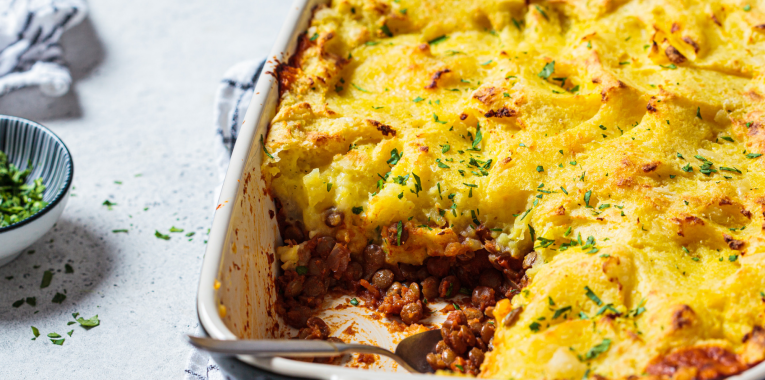
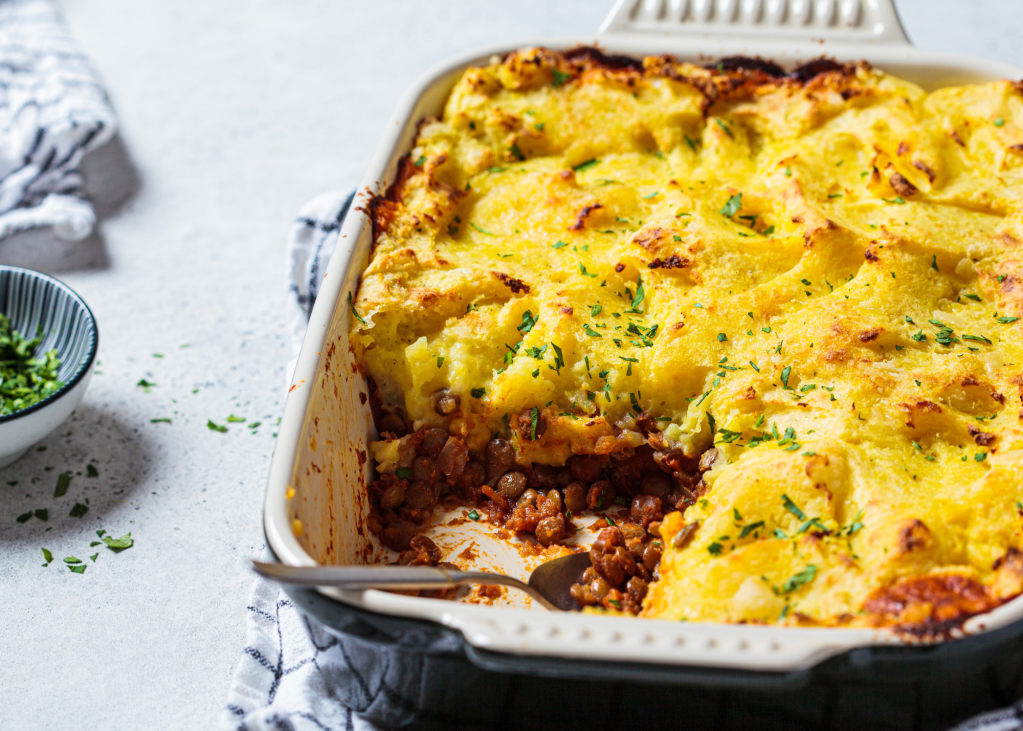
In the realm of comforting meals, few dishes evoke the same sense of warmth and nostalgia as Shepherd’s Pie. Traditionally made with ground meat and topped with creamy mashed potatoes, this hearty dish has been a staple on dinner tables for generations. But what if we told you there’s a delicious vegetarian version that’s just as satisfying? Enter: Cozy Lentil Shepherd’s Pie.

This vegetarian twist on the classic Shepherd’s Pie is a celebration of wholesome ingredients and hearty flavors. By swapping out the meat for protein-rich lentils and loading up on vegetables, we’ve created a dish that’s not only delicious but also nutritious and comforting.


For the Lentil Filling:
– 1 cup dry green or brown lentils, rinsed and drained
– 2 cups vegetable broth
– 1 tablespoon olive oil
– 1 onion, diced
– 2 carrots, diced
– 2 celery stalks, diced
– 2 cloves garlic, minced
– 1 teaspoon dried thyme
– 1 teaspoon dried rosemary
– 1 teaspoon smoked paprika
– Salt and pepper to taste
– 1 cup frozen peas
– 1 cup corn kernels (fresh, frozen, or canned)
– 2 tablespoons tomato paste
– 2 tablespoons soy sauce or tamari
– 1 tablespoon Worcestershire sauce (optional)
– 2 tablespoons all-purpose flour (or gluten-free flour for GF version)
– 1 cup vegetable broth or water

For the Mashed Potato Topping:
– 2 lbs potatoes (such as Russet or Yukon Gold), peeled and diced
– 1/4 cup unsalted butter or vegan butter
– 1/2 cup milk (dairy or plant-based)
– Salt and pepper to taste

**Instructions:**

1. Preheat your oven to 400°F (200°C). Grease a 9×13-inch baking dish or a large oven-safe skillet.

2. In a medium saucepan, combine the lentils and vegetable broth. Bring to a boil, then reduce the heat to low, cover, and simmer for about 20-25 minutes, or until the lentils are tender but not mushy. Drain any excess liquid and set aside.

3. In a large skillet, heat the olive oil over medium heat. Add the diced onion, carrots, and celery. Cook for about 5-7 minutes, or until the vegetables are softened.

4. Add the minced garlic, dried thyme, dried rosemary, smoked paprika, salt, and pepper to the skillet. Cook for another 1-2 minutes, until fragrant.

5. Stir in the cooked lentils, frozen peas, corn kernels, tomato paste, soy sauce or tamari, and Worcestershire sauce (if using). Cook for 2-3 minutes, stirring occasionally.

6. In a small bowl, whisk together the flour and vegetable broth (or water) until smooth. Pour this mixture into the skillet with the lentil and vegetable filling. Stir well to combine, then simmer for 5-7 minutes, or until the mixture has thickened slightly. Remove from heat.

7. Meanwhile, cook the diced potatoes in a large pot of boiling water until tender, about 15-20 minutes. Drain the potatoes and return them to the pot.

8. Add the butter and milk to the pot with the cooked potatoes. Mash the potatoes until smooth and creamy. Season with salt and pepper to taste.

9. Transfer the lentil and vegetable filling to the prepared baking dish or skillet. Spread the mashed potatoes evenly over the top of the filling.

10. Place the baking dish or skillet in the preheated oven and bake for 25-30 minutes, or until the mashed potatoes are golden and the filling is bubbly around the edges.

11. Remove from the oven and let cool for a few minutes before serving. Enjoy your cozy Lentil Shepherd’s Pie!

This vegetarian twist on a classic comfort food dish is sure to warm you up on chilly evenings. Enjoy the hearty lentil and vegetable filling topped with creamy mashed potatoes for a satisfying and nutritious meal!
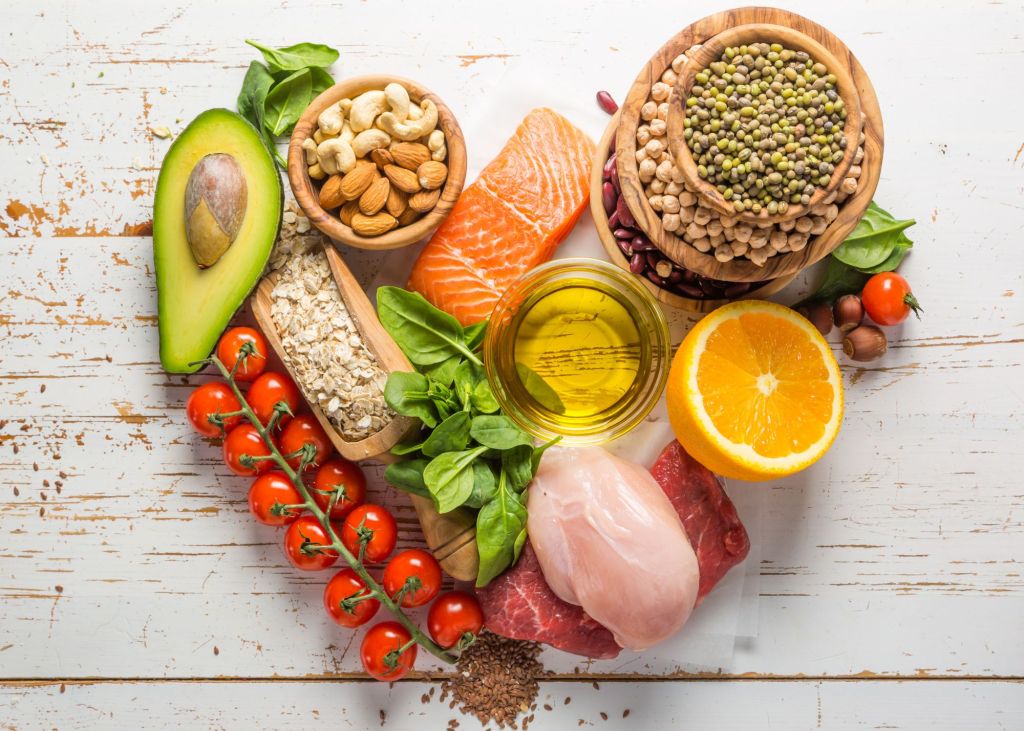

Heart-Healthy Eating: Strategies for Lowering Cholesterol and Supporting Cardiovascular Health


In a world where heart disease remains a leading cause of death, prioritizing heart health has never been more important. Fortunately, one of the most powerful tools in our arsenal is right on our plates: food. By adopting a heart-healthy diet rich in nutrient-dense foods and low in saturated fats and cholesterol, we can significantly reduce our risk of heart disease and support overall cardiovascular health. In this blog post, we’ll explore some key strategies for lowering cholesterol and promoting heart health through mindful eating.

1. **Focus on Whole Foods:** One of the cornerstones of a heart-healthy diet is choosing whole, minimally processed foods. Fill your plate with plenty of fruits, vegetables, whole grains, legumes, nuts, and seeds. These nutrient-packed foods are rich in fiber, antioxidants, vitamins, and minerals, all of which play a crucial role in cardiovascular health.

2. **Limit Saturated Fats and Trans Fats:** Saturated fats and trans fats can raise LDL cholesterol levels (often referred to as “bad” cholesterol) in the blood, increasing the risk of heart disease. To keep your heart healthy, aim to minimize your intake of foods high in these unhealthy fats, such as red meat, full-fat dairy products, fried foods, and commercially baked goods.

3. **Choose Heart-Healthy Fats:** Not all fats are created equal, and some fats can actually be beneficial for heart health. Opt for sources of unsaturated fats, such as olive oil, avocado, nuts, and fatty fish like salmon and mackerel. These fats can help lower LDL cholesterol levels and reduce inflammation in the body, protecting against heart disease.

4. **Incorporate Plant-Based Proteins:** Plant-based proteins, such as beans, lentils, tofu, and edamame, are not only rich in fiber and essential nutrients but also naturally cholesterol-free By replacing some of the animal-based proteins in your diet with plant-based alternatives, you can help lower your intake of cholesterol and saturated fats.

5. **Eat More Fiber:** Fiber plays a crucial role in heart health by helping to lower LDL cholesterol levels and improve blood sugar control. Aim to include plenty of fiber-rich foods in your diet, such as fruits, vegetables, whole grains, beans, and nuts. These foods not only support heart health but also promote digestive health and weight management.

6. **Watch Your Sodium Intake:** Consuming too much sodium can raise blood pressure, increasing the risk of heart disease and stroke. Be mindful of your sodium intake by choosing low-sodium or sodium-free options when possible and flavoring your meals with herbs, spices, and citrus instead of salt.

7. **Stay Hydrated:** Drinking an adequate amount of water is essential for overall health, including heart health. Aim to drink plenty of water throughout the day to stay hydrated and support optimal cardiovascular function.

By incorporating these heart-healthy eating strategies into your daily routine, you can take proactive steps to lower cholesterol, reduce your risk of heart disease, and support long-term cardiovascular health. Remember, small changes can add up to big results when it comes to protecting your heart, so start making healthier choices today for a healthier tomorrow.

Signs of Heart Attack in Women

Photo by Karolina Grabowska on Pexels.com

Signs of a Heart Attack in Women

If you did not get a chance to read my previous blog post on heart health and women, please go and check that out. So, this year women’s history month I wanted to keep the topics simple, so I choose to speak about women and heart health. As I said in my last post women suffer from heart disease just as much as men do. It is the number one killer in America. That is really concerning but as we know our country is filled with a lot of fast foods and processed foods and it is everywhere and it is easy for busy people like ourselves. Even though it is unavoidable we can still work on getting better and making healthier whole food choices.

In my last blog post, I realized that I left out one key important thing the signs of a heart attack in a woman. The symptoms may be different from how men experience it which is why we must not leave this out and talk about it. So, let’s jump straight into it. Listed below are the signs and symptoms of a heart attack in women.

Signs and Symptoms of Heart Attack in Women

  1.  Pressure, squeezing, fullness or pain in the center of your chest. The pain can last more than one minutes stop and return
  2. Pain in one or both arms, the back, neck, jaw, or stomach.
  3. Shortness of breath with or without chest discomfort.
  4. Breaking out in a cold sweat, nausea, or lightheadedness.

** The thing when it comes to signs and symptoms is that certain signs and symptoms can be signs and symptoms of something else and not necessarily a heart attack. Some people may experience some of these symptoms daily and may not be able to tell the difference. This is why it is very important to pay attention to your body on a daily basis. If you have any of these symptoms, please do not hesitate to get checked out. Go to your nearest urgent care center or emergency room.

Written By: Vanessa J

For more information please visit the American Heart Association website and talk to your primary care provider.

World of Flavors

Photo by Snapwire on Pexels.com

Celebrate a world of flavors

The month of March is National Nutrition Month, and the month is almost over! But the good thing is that you can continuously follow these guidelines and routines time and time again and make these tips a part of your daily life and lifestyle. This year the academy’s theme is to celebrate a world of flavors and embrace different cultures which is something we most likely already and for some people may be not but why not start now!

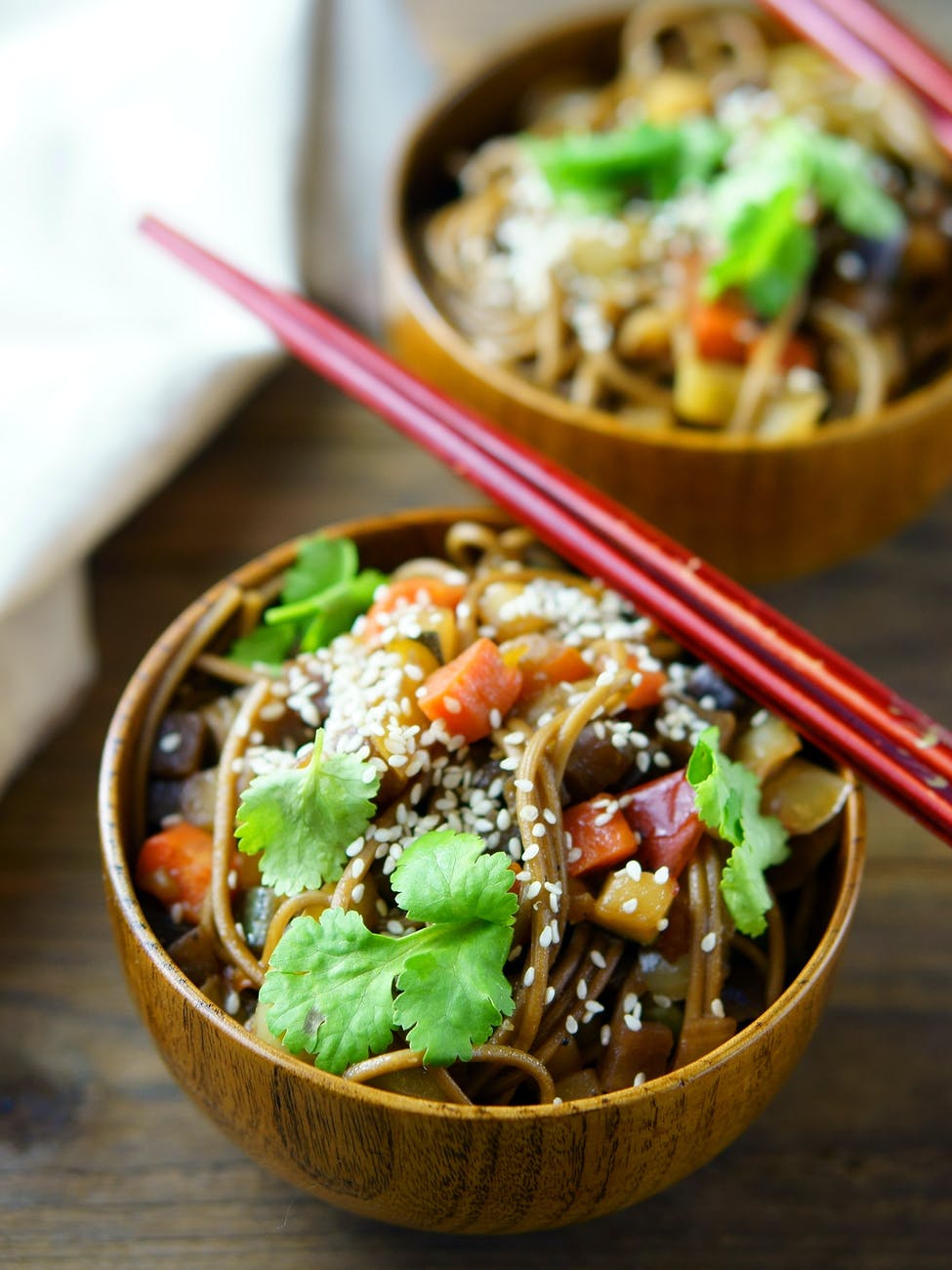
Sometimes we get used to eating the same thing that food becomes boring, and we become disinterested in cooking so why not introduce some new meals and new flavors from different cultures? I always say have a flavorful and colorful palate so that food never gets boring! There are so many cultures that you can try out to have a good nutritious healthful meal. Every week you can explore a new culture or part of the world, for example, one week you can go to the Caribbean which is where my family is from the country of Haiti. You can pick five to seven different dishes that you would like to try from the country of Haiti, one dish that is my favorite that can be a vegetarian/vegan dish is “legume” and it is optional to add meat. The name of the dish is all in the name itself legume! This dish can be made with a tomato paste-based sauce then you can add spinach, coyote, carrots, eggplant, white cabbage, or red cabbage. You can even throw in bok choy which is from the Chinese/Asian culture. After you gather all your vegetables you can season to your liking for me, I like to add all-purpose Goya which some salt and pepper a little Cajun seasoning and vegetables seasoning but really you can season it any way you’d like to and let it slow cook for about 2 hours and you’re done. This dish is usually served with white rice, but you can go for a healthier choice of brown rice or quinoa.

It’s as simple as that then the next week you can plan to have maybe Indian dishes on the menu, then the next week Chinese dishes on the menu and so on. There is so much to choose from that you can really have fun with this and maybe you may like some of the dishes so much that they become a part of your lifestyle. So, this month remember it’s all about exploring and embracing the different cultures and dishes in our world!

Written By: Vanessa J