

New Year, New You: How to Start Your Holistic Health Journey in 2025

HAPPY NEW YEAR FOODIES! As the calendar turns to 2025, many of us feel inspired to embrace a fresh start. This year, why not focus on improving your overall well-being by committing to holistic health? Holistic health isn’t just about eating right or exercising; it’s about nurturing your body, mind, and spirit to achieve balance and vitality. One key aspect of this journey is reducing your intake of ultra-processed foods and embracing whole, nutrient-dense options. Here’s how you can get started on a healthier, more mindful path in the new year.

Why Avoid Ultra-Processed Foods?

It is literally all over our supermarkets being thrown in our faces and it is hard to get away from it. Almost everything is in a container, can, or  box here in the US a lot of the foods are processed and not in its natural form. Ultra-processed foods are often high in added sugars, unhealthy fats, and artificial additives, while being low in essential nutrients. Consuming them regularly can lead to energy crashes, inflammation, and chronic health issues like obesity and heart disease. By limiting these foods, you can:

  • Boost your energy levels.
  • Improve digestion.
  • Support mental clarity and focus.
  • Reduce the risk of chronic illnesses.

Steps to Embrace Holistic Health in 2025

1. Prioritize Whole Foods

Fill your plate with fresh fruits, vegetables, whole grains, lean proteins, and healthy fats. These foods are packed with vitamins, minerals, and antioxidants that nourish your body from the inside out. Start small by swapping processed snacks for whole-food alternatives, like:

  • Fresh fruit instead of candy.
  • Raw nuts instead of chips.
  • Homemade granola bars instead of store-bought options.

2. Plan and Prepare Your Meals

Meal prepping can save time, reduce stress, and ensure you’re eating nutritious meals throughout the week. Dedicate a couple of hours each weekend to plan, shop, and prep. Focus on simple recipes like:

  • Roasted vegetables with quinoa.
  • Grilled salmon with a side of steamed greens.
  • Smoothie bowls topped with fresh fruit and chia seeds.

3. Hydrate Wisely

Staying hydrated is essential for overall health. Instead of sugary drinks, choose water infused with fresh fruits, herbal teas, or coconut water. Proper hydration helps:

  • Flush out toxins.
  • Maintain skin elasticity.
  • Support digestion.

4. Incorporate Movement Daily

Find an activity you enjoy and make it a regular part of your routine. Whether it’s yoga, walking, dancing, or strength training, moving your body daily boosts your mood and promotes physical health. Even a 20-minute walk after dinner can make a difference.

5. Practice Mindful Eating

Mindful eating involves savoring your food, chewing slowly, and listening to your body’s hunger and fullness cues. It can help you build a healthier relationship with food and reduce overeating. Try this:

  • Sit down at the table without distractions.
  • Take a moment to appreciate the colors, smells, and textures of your meal.
  • Chew each bite thoroughly and enjoy the flavors.

6. Focus on Stress Management

Chronic stress can negatively impact your health. Incorporate stress-reducing practices like meditation, journaling, or spending time in nature. Even 10 minutes a day of deep breathing can help you feel more centered.


Simple Recipes to Kickstart Your Journey

Green Smoothie Bowl

  • 1 cup spinach
  • 1 frozen banana
  • ½ cup almond milk
  • 1 tablespoon chia seeds
  • 1 teaspoon honey (optional)
  • Toppings: fresh berries, granola, coconut flakes

Blend all ingredients until smooth, pour into a bowl, and add your favorite toppings.

Quinoa Veggie Stir-Fry

  • 1 cup cooked quinoa
  • 1 cup mixed vegetables (broccoli, carrots, bell peppers)
  • 1 tablespoon olive oil
  • 1 tablespoon low-sodium soy sauce

Sauté vegetables in olive oil, add quinoa, and stir in soy sauce for a quick, nutrient-packed meal.


Your 2025 Holistic Health Goals

As you embark on this journey, remember that small, consistent changes lead to lasting results. Write down your goals and revisit them often. Here are a few ideas to get you started:

  • Eat at least one home-cooked meal daily.
  • Try one new whole-food recipe each week.
  • Practice gratitude daily to nurture your mental well-being.

Are you ready to make 2025 your healthiest year yet? Subscribe to our blog for more tips, recipes, and inspiration. Share your favorite healthy habits in the comments below and join our holistic health community today!

Foods That Support Digestive Health During the Holidays

Hi Foodies! It’s that time of the year!

The holiday season is often filled with indulgent meals, rich desserts, and festive gatherings. While these moments bring joy, they can also challenge our digestive systems, leaving us feeling bloated, sluggish, or uncomfortable. But with a few mindful choices, you can enjoy the holidays while keeping your gut happy and healthy. Here are some foods that can support digestive health during the festive season.

1. Fiber-Rich Fruits and Vegetables

Fiber is essential for maintaining a healthy digestive system, as it promotes regular bowel movements and feeds beneficial gut bacteria. Incorporate these fiber-packed options into your holiday meals:

  • Apples and Pears: Perfect for a fruit salad or baked dessert.
  • Sweet Potatoes: A versatile and nutrient-dense side dish.
  • Brussels Sprouts: Delicious roasted with olive oil and herbs.
  • Carrots and Beets: Great in salads or as a roasted side.

2. Fermented Foods

Fermented foods are rich in probiotics, which help maintain a balanced gut microbiome and improve digestion. Include these in your holiday spread:

  • Sauerkraut: A tangy addition to appetizers or sides.
  • Kimchi: Pairs well with roasted meats or veggie dishes.
  • Kefir or Yogurt: Use as a base for dips or dressings.
  • Miso: Add to soups for a warm and nourishing starter.

3. Herbs and Spices

Certain herbs and spices can soothe the digestive system and reduce bloating. Add these to your holiday recipes:

  • Ginger: A natural anti-inflammatory, great in teas or desserts.
  • Turmeric: Perfect for spicing up roasted vegetables or rice dishes.
  • Cinnamon: Adds warmth to holiday drinks and baked goods.
  • Peppermint: A refreshing addition to teas or desserts.

4. Healthy Fats

While it’s easy to overdo rich, heavy fats during the holidays, focusing on healthy fats can support digestion and reduce inflammation. Include:

  • Avocados: Use in salads or as a topping for toast.
  • Nuts and Seeds: Snack on almonds, walnuts, or chia seeds for a healthy crunch.
  • Olive Oil: Drizzle over roasted vegetables or use in dressings.

5. Whole Grains

Refined grains can contribute to bloating and discomfort, but whole grains provide fiber and nutrients that aid digestion. Try:

  • Quinoa: A light, protein-packed side dish.
  • Brown Rice: A wholesome base for casseroles or stir-fries.
  • Oats: Use in breakfast dishes or holiday desserts.

6. Hydrating Foods and Drinks

Staying hydrated is crucial for proper digestion, especially if holiday meals are high in salt. Incorporate:

  • Cucumbers and Celery: Add crunch to salads or platters.
  • Watermelon and Oranges: Refreshing as snacks or in desserts.
  • Herbal Teas: Chamomile, fennel, or peppermint tea can soothe your stomach after a meal.

Additional Tips for Digestive Wellness:

  • Chew Your Food Slowly: This helps break down food and signals fullness to your brain.
  • Practice Portion Control: Enjoy small servings of indulgent foods to avoid overwhelming your digestive system.
  • Stay Active: A post-meal walk can stimulate digestion and prevent bloating.
  • Limit Alcohol and Sugary Drinks: These can irritate the digestive system. Opt for water or herbal teas instead.

Did you find these tips helpful? Share your favorite gut-friendly holiday recipes in the comments below, and don’t forget to subscribe to my blog for more holistic nutrition tips. Wishing you a healthy and happy holiday season!

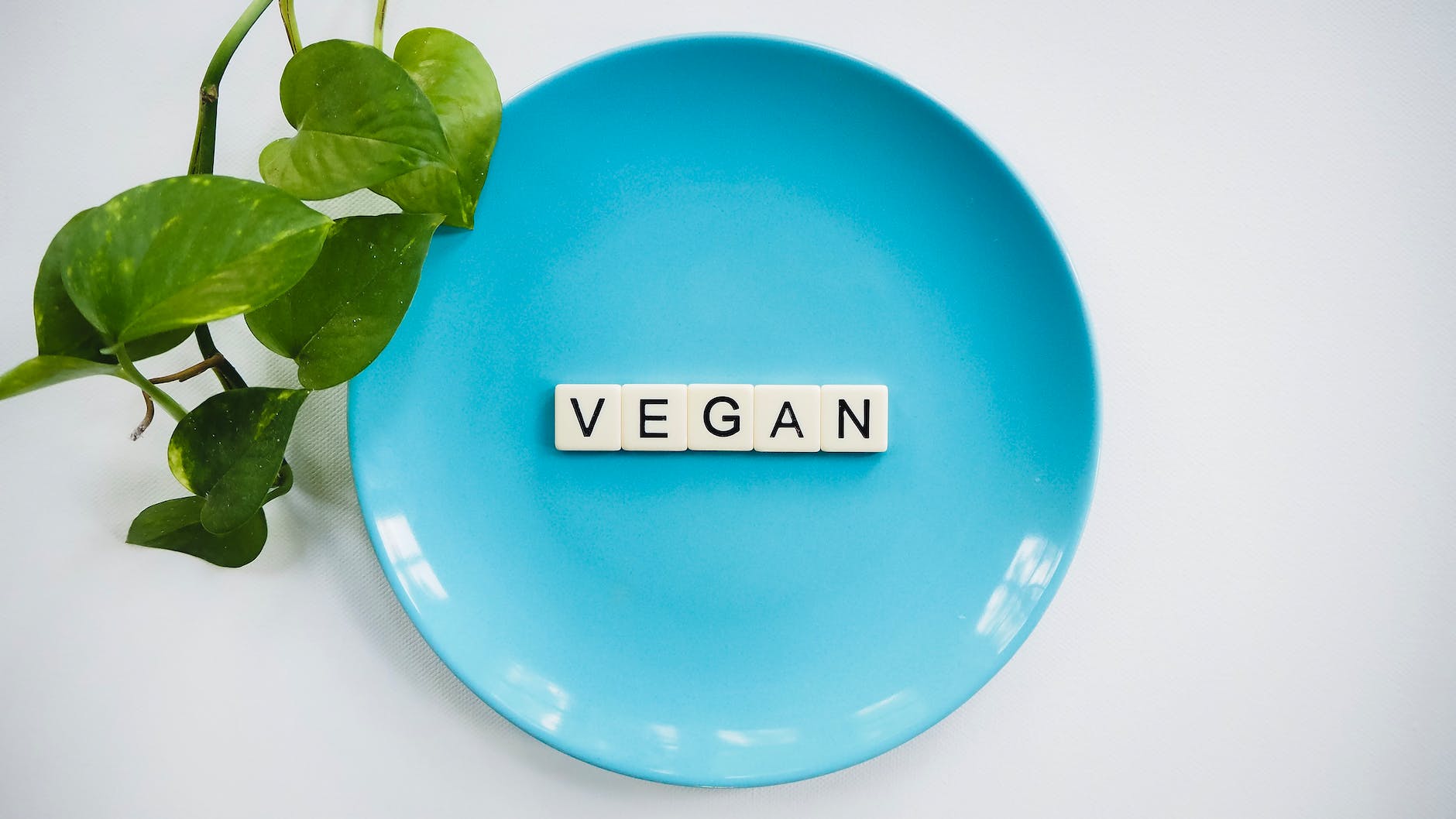
Plant-Based Eating: A Holistic Approach to Veganuary

Photo by Vegan Liftz on Pexels.com

As January starts, many people embark on the journey of Veganuary—a month-long commitment to exploring plant-based eating. Beyond being a dietary choice, embracing a plant-based lifestyle extends far beyond the plate, offering holistic benefits for your well-being and the planet. Let’s delve into the multifaceted advantages of plant-based eating and provide guidance for those stepping into Veganuary.

Holistic Benefits of Plant-Based Eating:

  1. Nourishing the Body: Plant-based diets are rich in an array of vitamins, minerals, and antioxidants derived from fruits, vegetables, nuts, seeds, and whole grains. These nutrients support overall health, contributing to vibrant skin, strong bones, and optimal organ function.
  2. Gut Health and Digestion: Plant-based diets are typically high in fiber, fostering a healthy gut microbiome. A well-balanced gut contributes to improved digestion, nutrient absorption, and supports a robust immune system.
  3. Reducing Inflammation: Plant-based foods are known for their anti-inflammatory properties. By minimizing the consumption of inflammatory foods commonly found in animal products, individuals often experience a reduction in inflammation, leading to improved joint health and overall well-being.
  4. Heart Health: Plant-based eating has been linked to a lower risk of heart disease. The absence of saturated fats found in animal products, coupled with the presence of heart-healthy fats in plant-based sources, contributes to lower cholesterol levels and improved cardiovascular health.
  5. Weight Management: Plant-based diets tend to be naturally lower in calorie density while providing essential nutrients. This, combined with an increased intake of fiber, supports weight management and a healthy body mass index.
  6. Mental Well-being: The connection between plant-based eating and mental health is gaining attention. Nutrient-rich foods may positively impact mood and cognitive function, promoting mental clarity and overall well-being.
  7. Ethical and Environmental Impact: Adopting a plant-based lifestyle aligns with ethical considerations, as it reduces the demand for animal agriculture. Additionally, plant-based diets have a lower environmental footprint, contributing to sustainability and reducing the impact on the planet.

Guidance for Veganuary:

  1. Diverse Plant-Based Foods: Explore the richness of plant-based foods by incorporating a variety of fruits, vegetables, legumes, whole grains, nuts, and seeds into your meals. This diversity ensures a broad spectrum of nutrients.
  2. Balanced Nutrient Intake: Pay attention to essential nutrients like protein, iron, calcium, vitamin B12, and omega-3 fatty acids. While many plant-based foods provide these nutrients, it’s important to ensure a balanced intake through supplementation or fortified foods when necessary.
  3. Cooking Creativity: Embrace the creativity of plant-based cooking. Experiment with new recipes, flavors, and textures to discover a world of culinary delights that go beyond traditional meat-based dishes.
  4. Community Support: Join online communities or local groups participating in Veganuary. Sharing experiences, tips, and recipes with like-minded individuals can provide invaluable support and motivation.
  5. Educational Resources: Arm yourself with knowledge about plant-based nutrition. Explore reputable sources, documentaries, and books to deepen your understanding of the health and environmental benefits of a plant-based lifestyle.

Veganuary is not just a dietary challenge; it’s an opportunity to explore the holistic benefits of plant-based living. By embracing the richness of plant-based foods, you’re not only nourishing your body but also contributing to a more compassionate, sustainable, and holistic approach to well-being—one plate at a time.

-Vanessa J