
Honoring Women’s History Month: Nourishment Passed Down Through Generations

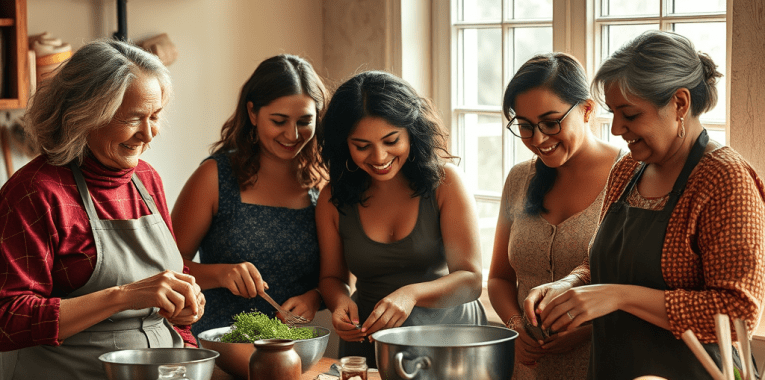
March is Women’s History Month, and I can’t help but think about the ways women have always been at the heart of nourishment—physically, emotionally, and spiritually. Whether through the meals they prepare, the remedies they pass down, or the wisdom they share, women have been planting seeds of healing for generations.

I think about the women in my own life—the ones who taught me the power of food, the importance of self-care, and the beauty of slowing down to truly nourish myself. These lessons didn’t come from textbooks; they came from real-life experiences, from the quiet moments in the kitchen, from a cup of herbal tea prepared with love, and from the stories shared over meals.

Women as Healers & Nourishers

From ancient times to today, women have been the caretakers of food, medicine, and holistic well-being. Across cultures, they have passed down knowledge about food as medicine, the power of plants, and the deep connection between nourishment and healing.

In Eastern medicine, women have shared knowledge of balance through Ayurvedic and Traditional Chinese Medicine practices.

In Indigenous cultures, women have preserved ancestral food traditions that sustain both body and spirit.

In African and Caribbean traditions, grandmothers and mothers have taught the healing properties of herbs, roots, and spices.

How We Can Honor This Legacy

This month, I’m reflecting on how I can continue that legacy in my own life. Here are a few simple ways we can honor the women who have nourished us:

Cook a meal with intention – Think about the hands that prepared your favorite recipes before you.
Learn from women in wellness – Read, listen, and share their knowledge.
Take care of yourself – True nourishment starts from within.

Women’s history isn’t just something to look back on—it’s something we continue to create every day. Every time we choose foods that fuel us, practice self-care, or share our wisdom with others, we’re carrying on a tradition of healing and nourishment.

Here’s to the women who have fed us, healed us, and taught us to care for ourselves and others. 💛

What’s a wellness tradition passed down by the women in your life? Share in the comments!

New Year, New You: How to Start Your Holistic Health Journey in 2025

HAPPY NEW YEAR FOODIES! As the calendar turns to 2025, many of us feel inspired to embrace a fresh start. This year, why not focus on improving your overall well-being by committing to holistic health? Holistic health isn’t just about eating right or exercising; it’s about nurturing your body, mind, and spirit to achieve balance and vitality. One key aspect of this journey is reducing your intake of ultra-processed foods and embracing whole, nutrient-dense options. Here’s how you can get started on a healthier, more mindful path in the new year.

Why Avoid Ultra-Processed Foods?

It is literally all over our supermarkets being thrown in our faces and it is hard to get away from it. Almost everything is in a container, can, or  box here in the US a lot of the foods are processed and not in its natural form. Ultra-processed foods are often high in added sugars, unhealthy fats, and artificial additives, while being low in essential nutrients. Consuming them regularly can lead to energy crashes, inflammation, and chronic health issues like obesity and heart disease. By limiting these foods, you can:

  • Boost your energy levels.
  • Improve digestion.
  • Support mental clarity and focus.
  • Reduce the risk of chronic illnesses.

Steps to Embrace Holistic Health in 2025

1. Prioritize Whole Foods

Fill your plate with fresh fruits, vegetables, whole grains, lean proteins, and healthy fats. These foods are packed with vitamins, minerals, and antioxidants that nourish your body from the inside out. Start small by swapping processed snacks for whole-food alternatives, like:

  • Fresh fruit instead of candy.
  • Raw nuts instead of chips.
  • Homemade granola bars instead of store-bought options.

2. Plan and Prepare Your Meals

Meal prepping can save time, reduce stress, and ensure you’re eating nutritious meals throughout the week. Dedicate a couple of hours each weekend to plan, shop, and prep. Focus on simple recipes like:

  • Roasted vegetables with quinoa.
  • Grilled salmon with a side of steamed greens.
  • Smoothie bowls topped with fresh fruit and chia seeds.

3. Hydrate Wisely

Staying hydrated is essential for overall health. Instead of sugary drinks, choose water infused with fresh fruits, herbal teas, or coconut water. Proper hydration helps:

  • Flush out toxins.
  • Maintain skin elasticity.
  • Support digestion.

4. Incorporate Movement Daily

Find an activity you enjoy and make it a regular part of your routine. Whether it’s yoga, walking, dancing, or strength training, moving your body daily boosts your mood and promotes physical health. Even a 20-minute walk after dinner can make a difference.

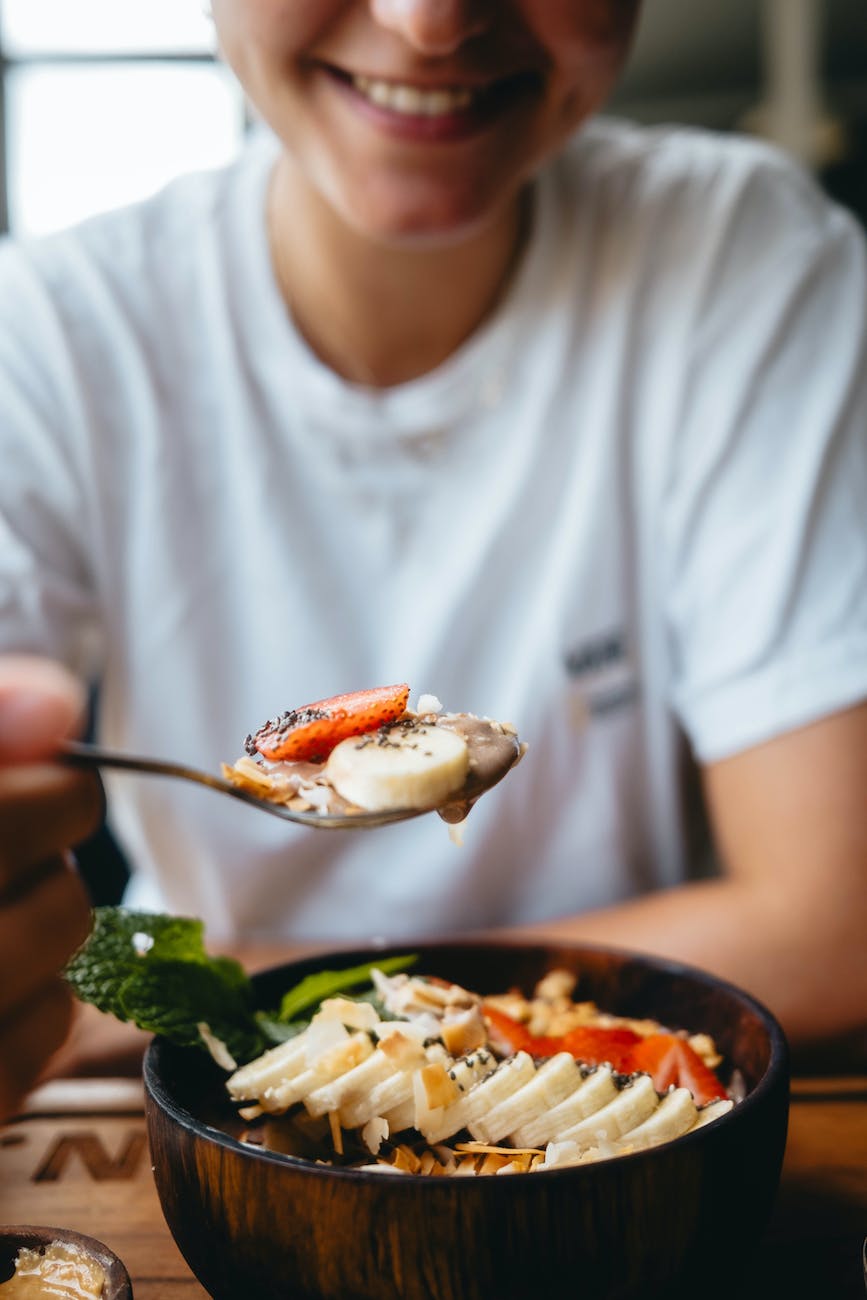
5. Practice Mindful Eating

Mindful eating involves savoring your food, chewing slowly, and listening to your body’s hunger and fullness cues. It can help you build a healthier relationship with food and reduce overeating. Try this:

  • Sit down at the table without distractions.
  • Take a moment to appreciate the colors, smells, and textures of your meal.
  • Chew each bite thoroughly and enjoy the flavors.

6. Focus on Stress Management

Chronic stress can negatively impact your health. Incorporate stress-reducing practices like meditation, journaling, or spending time in nature. Even 10 minutes a day of deep breathing can help you feel more centered.


Simple Recipes to Kickstart Your Journey

Green Smoothie Bowl

  • 1 cup spinach
  • 1 frozen banana
  • ½ cup almond milk
  • 1 tablespoon chia seeds
  • 1 teaspoon honey (optional)
  • Toppings: fresh berries, granola, coconut flakes

Blend all ingredients until smooth, pour into a bowl, and add your favorite toppings.

Quinoa Veggie Stir-Fry

  • 1 cup cooked quinoa
  • 1 cup mixed vegetables (broccoli, carrots, bell peppers)
  • 1 tablespoon olive oil
  • 1 tablespoon low-sodium soy sauce

Sauté vegetables in olive oil, add quinoa, and stir in soy sauce for a quick, nutrient-packed meal.


Your 2025 Holistic Health Goals

As you embark on this journey, remember that small, consistent changes lead to lasting results. Write down your goals and revisit them often. Here are a few ideas to get you started:

  • Eat at least one home-cooked meal daily.
  • Try one new whole-food recipe each week.
  • Practice gratitude daily to nurture your mental well-being.

Are you ready to make 2025 your healthiest year yet? Subscribe to our blog for more tips, recipes, and inspiration. Share your favorite healthy habits in the comments below and join our holistic health community today!

My Newsletter is here!

Exciting Update! After months of dedicated effort and some delays, I’m thrilled to announce that the inaugural edition of my monthly newsletter is finally here! Traditionally, newsletters often require sign-ups or subscriptions, but I’ve made the decision to offer mine directly to all of you! Nutrition is my passion, and I believe that access to valuable nutrition information should be available to everyone who visits my page. Starting between the first and second week of each month, you can expect a new edition of the newsletter. Remember, making healthy choices is within everyone’s reach. I hope you find this edition informative and enjoyable. Feel free to share your thoughts and comments below—I’d love to hear from you!

Check out my newsletter here:

Winter Wellness: Superfoods to Boost Your Immunity

Winter is a season of chilly winds, cozy blankets, and unfortunately, the sniffles . (By the way winter has now become one of my favorite seasons minus the snow I love getting a break from heat waves and bugs). As we navigate the colder months, supporting our immune system becomes a top priority. Last year towards the end of the summer my husband, son, and I caught Covid coming back from a trip from Florida then two weeks later after recovering my son gets sick and then I get bronchitis and it took me two months to recover! So taking care of our immune system is so important.

Thankfully, nature provides an array of superfoods packed with immune-boosting properties. Let’s explore these winter wellness warriors that can help fortify your body against seasonal challenges.

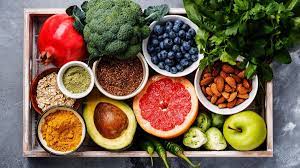
1. Citrus Fruits: Citrus fruits like oranges, grapefruits, lemons, and clementines are renowned for their high vitamin C content. This essential nutrient plays a crucial role in supporting the immune system by stimulating the production of white blood cells and protecting cells from damage.

2. Berries: Berries such as strawberries, blueberries, and raspberries are rich in antioxidants, including vitamin C and polyphenols. These antioxidants help neutralize free radicals in the body, contributing to a strengthened immune response. ( I love love love blueberries, eat them as is or throw them in a smoothie or salad!)

3. Garlic: Known for its antimicrobial and anti-inflammatory properties, garlic has been used for centuries to ward off infections. It contains allicin, a compound with potent immune-boosting benefits. Consider adding garlic to soups, stews, or roasted vegetables for both flavor and health benefits.

4. Ginger: A natural anti-inflammatory, ginger is a versatile root that can be incorporated into teas, smoothies, or savory dishes. It possesses antimicrobial properties and may help soothe sore throats and reduce inflammation, contributing to overall winter wellness.

5. Spinach: Dark leafy greens like spinach are loaded with vitamins, minerals, and antioxidants. In particular, spinach is a great source of vitamin C, vitamin A, and folate, all of which support immune function. Add spinach to salads, soups, or sautés for a nutrient-packed boost.

6. Nuts and Seeds: Almonds, sunflower seeds, and pumpkin seeds are excellent sources of vitamin E, a powerful antioxidant that helps protect cells from damage. Additionally, these nuts and seeds provide essential nutrients like zinc, which plays a crucial role in immune system function.

7. Yogurt: Probiotics, found in yogurt and other fermented foods, contribute to a healthy gut microbiome. Since a significant portion of our immune system resides in the gut, maintaining gut health is paramount for overall immunity. Choose plain, probiotic-rich yogurts for maximum benefits.

8. Turmeric: The vibrant yellow spice, turmeric, contains curcumin, a compound with potent anti-inflammatory and antioxidant properties. Consider adding turmeric to soups, curries, or golden milk for a warm and immune-boosting treat. ( Don’t forget to add black pepper to activate the turmeric properties)

9. Green Tea: Rich in antioxidants, green tea has been associated with numerous health benefits, including immune support. Enjoy a comforting cup of green tea to stay hydrated while reaping the immune-boosting benefits. ( I am loving matcha lattes minus the sugary stuff make sure to make it healthy)

10. Sweet Potatoes: Sweet potatoes are a fantastic source of beta-carotene, a precursor to vitamin A. Vitamin A is essential for maintaining the health of the skin and mucous membranes, which act as barriers to pathogens.

As we navigate the winter season, incorporating these immune-boosting superfoods into our diet can fortify our defenses and contribute to overall winter wellness. Remember to maintain a balanced diet, stay hydrated, and prioritize other healthy lifestyle habits to support your immune system throughout the colder months.

-Vanessa J.

Mindful Eating in the New Year: Cultivating Healthy Habits

Photo by Lukas Faust on Pexels.com

As we step into the new year, many of us embark on a journey of self-improvement, health, and well-being. Amidst resolutions and goals, consider embracing a practice that transcends gets rid of dieting and restrictive eating—mindful eating. Cultivating healthy habits around how we consume food can foster a profound shift in our relationship with nourishment and contribute to overall well-being.

Understanding Mindful Eating: Mindful eating is not a diet but a conscious and intentional approach to food consumption. It involves being fully present during meals, paying attention to the sensory experience, and acknowledging the body’s hunger and fullness cues. In a world filled with distractions, cultivating mindfulness around eating can bring about a sense of peace and empowerment in our relationship with food.

Benefits of Mindful Eating:

  1. Improved Digestion:
    • Mindful eating encourages a slower pace, allowing the digestive system to function optimally. Chewing food thoroughly and savoring each bite aids in the breakdown of nutrients and promotes better nutrient absorption.
  2. Enhanced Satisfaction:
    • By being present during meals, we become attuned to the flavors, textures, and aromas of our food. This heightened awareness often leads to increased satisfaction with smaller portions, reducing the likelihood of overeating.
  3. Stress Reduction:
    • Mindful eating encourages a pause in our busy lives. Taking a moment to enjoy a meal without rushing can be a powerful stress-reduction technique, contributing to improved mental and emotional well-being.
  4. Healthier Food Choices:
    • When we approach eating with mindfulness, we become more attuned to our body’s true nutritional needs. This awareness can lead to making healthier food choices that align with our overall well-being.

Cultivating Healthy Habits:

  1. Practice Gratitude:
    • Begin each meal with a moment of gratitude. Reflect on the journey of your food from its source to your plate, fostering a connection to the nourishment it provides.
  2. Engage Your Senses:
    • Take time to truly experience your food. Notice the colors, textures, and aromas. Chew slowly, savoring the flavors with each bite.
  3. Listen to Your Body:
    • Tune in to your body’s hunger and fullness cues. Eat when you’re hungry, and stop when you’re satisfied. This simple practice can lead to a more intuitive and balanced approach to eating.
  4. Minimize Distractions:
    • Create a dedicated eating space free from distractions like screens or work. This allows you to focus on the act of eating and promotes a sense of mindfulness.
  5. Mindful Snacking:
    • Extend mindfulness to snacks. Choose nutrient-dense options and savor the experience, whether it’s a piece of fruit, a handful of nuts, or a yogurt parfait.

In the new year, consider making mindful eating a part of your health journey. By implementing these healthy habits, you not only nourish your body but also establish a positive and sustainable relationship with food—a gift that keeps on giving throughout the year and beyond.