
It’s ok to RESET

Hey everyone, Happy new month, Happy April! . Can you believe that it is already a new month. This year so far is going by so fast. Sometimes just as time goes by fast , we also feel the need to go just as fast as time is going in our daily lives. When we have a goal in mind that we want to accomplish we want to keep going and going.  I wrote this blog post to remind you that I see all your hard work but it is also OK to give yourself a break because you deserve it.

When I started this blog and my Instagram page back in 2016/2017 I wouldn’t say I was super consistent but I did post from time to time to make sure I was engaging with my audience and keeping up with giving them the latest tips to help with acid reflux . At one point there were moments when I would not post for a month or two and my Instagram page continued to grow which I was so shocked to see. 

After taking a break from my blog for almost a year and a half after I had my son, I decided at the end of 2020 that I was ready to make a comeback and start working hard again and I did just that. I managed between three platforms Instagram, YouTube, and WordPress. I would stay up all night to get my videos done, blog posts done, and content creation done sometimes until 4 am! . Between the months of December and February I was on a high working non stop until finally in March I crashed and burned and needed a break. It is important that we learn to give ourselves the break we deserve and give ourselves self care. After having my son I never really thought much about self care but now a year and a half later having an active 1 year old, trying to get work done, focus on my marriage, and get through this pandemic I realize how important it is to give ourselves that mental break.

I hope this blog helped just a little to realize it’s ok to relax, regroup, recharge, and reset.
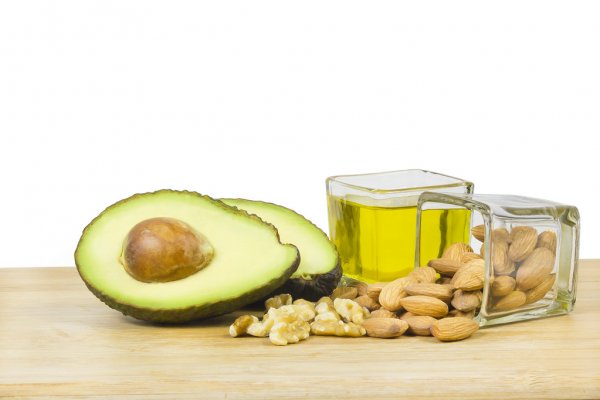
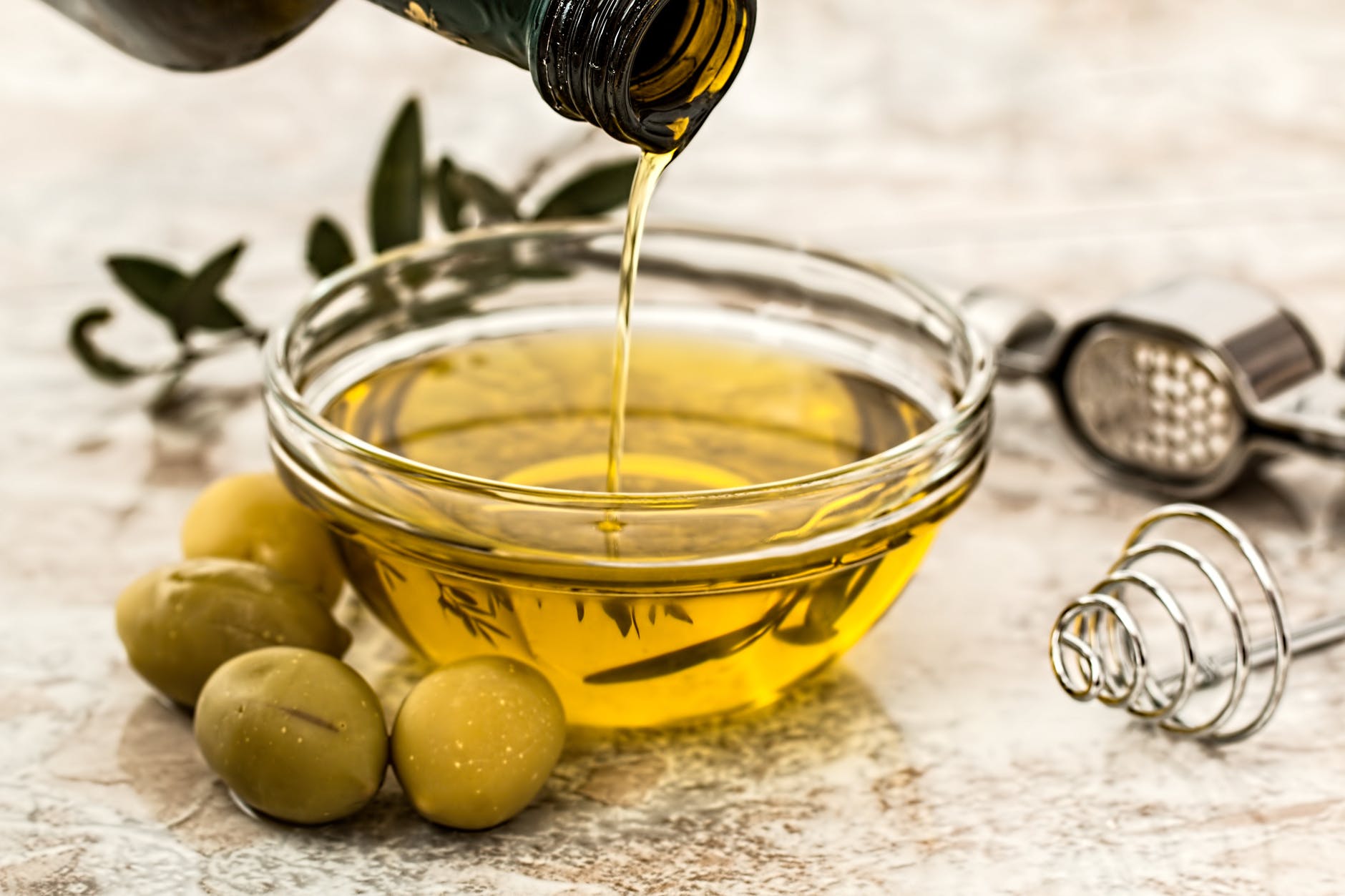
The Last of the Fats – OMEGAS

photo credit: google image search

Now I know you all are pretty familiar with Omegas in the diet . For a while the omega that I would hear about the most were omega 3’s but did you know that there is omega 3,6, and 9? I know right?! That’s a lot but no worries in this blog post I will give you the run down on these fabulous omegas.

First we will start with Omega 3’s:

  • Our bodies cannot make these types of fats we must get them in our diet or with supplementation
  • They are polyunsaturated fats (chemical makeup & bond)
  • Double Bonds
  • Many types of Omega 3’s, but the most common ones are EPA, DHA, and ALA
  • EPA is a 20 chain fatty acid
  • DHA is a 22 chain fatty acid
  • ALA is a 18 chain fatty acid
  • EPA helps reduce inflammation in the body, helps with symptoms of depression
  • DHA is important for brain development and function
  • ALA is good for the heart, immune, and nervous system

Food sources of omega 3’s are:

  • salmon
  • mackerel
  • chia seeds
  • walnuts
  • flaxseeds

Omega 6:

  • Also polyunsaturated with double bonds (chemical structure)
  • Called GLA
  • Can be found in some oils such as primrose  oil
  • Benefits include possibly reducing inflammation in the body and reducing fat mass but more research is needed

Food sources of omega 6’s are:

  • soybean oil
  • mayonnaise
  • walnuts
  • almonds
  • cashew nuts

Omega 9:

  • It is monounsaturated
  • Only has one double bond in chemical structure
  • Can be produced by the body
  • Oleic Acid is the most common omega 9 known
  • Health benefits include reducing inflammation and insulin sensitivity

Food sources of omega 9’s are: 

  • olive oil
  • almond oil
  • avocado oil
  • almonds
  • cashews
  • walnuts

The GOOD and BAD Fats

Photo by Pixabay on Pexels.com

The Good and The Bad FATS

Now I know you guys have been waiting on this one and I’m a little late but I’m back! So lets talk about the GOOD FATS and the BAD FATS. Just as with carbohydrates there are healthy fats and not so healthy fats because what it can do to the body.

Let’s start with a little science:

  • Fat Molecules which are called “triglycerides are made up of chains and bonds
  • These chains and bonds can be single or double
  • These chains and bonds can have carbon atoms or hydrogen atoms
  • These chains and bonds will determine what type of fat you are dealing with

The GOOD:

  • When you hear about good fats you will usually hear “unsaturated”
  • Unsaturated fats have subcategories called “Mono-unsaturated” and “Poly-unsaturated
  • Mono-unsaturated fats is a fat molecule that has a single double bound and one of those bonds is an unsaturated carbon bond
  • Mono-unsaturated fats are liquid at room temperature and solid when cold
  • Mono-unsaturated fats help to reduce bad cholesterol in the body which is called LDL and HDL is the healthy cholesterol
  • Mono-unsaturated fats helps to maintain the cells in the body by giving it nutrients such as vitamin E
  • Same thing goes for Poly-unsaturated fats with the exception that it has more than one unsaturated carbon bond
  • Poly-unsaturated fats work in the same ways as mono-unsaturated fats helping the body to regulate cholesterol levels

Examples of Mono-unsaturated and Poly- unsaturated Oils:

  • olive oil
  • canola oil
  • peanut oil
  • safflower oil
  • sesame oil
  • soybean oil
  • corn oil
  • sunflower oil

The BAD FATS

  • When we talk about bad fats there are two categories they fall into those categories are Hydrogenated and Partially Hydrogenated fats
  • We also we hear CIS and TRANS fat
  • Hydrogenated fats are processed poly unsaturated fats that have hydrogen added to them
  • Partially hydrogenated fats are also processed artificially as well
  • CIS fats are fats that have a double bond with carbons on the same side
  • Trans fats are fats that have a double bond as well but hydrogen and carbon are on opposite sides of the bond and this is what makes it bad
  • Trans fats are the worse fats for your health. They don’t go rancid, they are more stable during deep frying and can change the texture of your food
  • How do you know if a food has Trans fat in it? good question you will know that it does if the label of any food states that it is partially hydrogenated because that is how trans fats are made
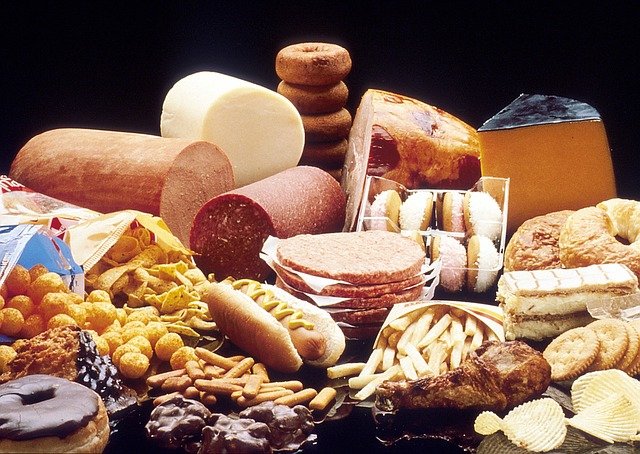
  • What foods can you find Trans Fat in ? Basically in any foods that may be fried like fried chicken, fried fish, fried doughnuts and other foods that are not fried like pizza, hamburgers, cookies, pastries etc..

Fat’s Overview – Let’s Talk About Fats

Image by Welcome to all and thank you for your visit ! ツ from Pixabay

Fats Overview – Let’s Talk About Fats

So what’s the deal with fats? Are fats really bad for you? The simple answer is yes and no. Just like how earlier in another blog post I talked about Carbohydrates the good and bad ones ( complex and simple) fats also had good and bad ones. Fats are considered one of our Macronutrients (Carbohydrates, Fats, and Proteins). You get nine kcals from fats per gram while with carbohydrates and proteins you only get 4 kcals per gram for each. So I know when we here the word fat when it comes to food we get scared but there is no reason to be its all about putting the right fats into your body.

So for the whole month of February we will be talking about fats. This first blog post is just an overview for what is to come in the next few weeks.

We are going to be talking about:

  • What are fats?
  • Why are fats good for us?
  • The good fats and the bad
  • Different fat categories such as saturated and unsaturated 
  • Cis and Trans Fats
  • Essential Fatty Acids
  • Where do fats go when it gets absorbed in the body?
Check out my Youtube Video on Fats

Portion Sizing Is it really necessary?

Photo by Any Lane on Pexels.com

Now as we are getting towards the end of the month into a new month the last thing that I would like to talk about in terms of dieting is portion sizing. Since January we have been talking about sugars, carbs ,  dieting and now portion sizing. The first question is how many of you actually take the time to do this? Portion sizing can seem a bit tedious to many people but it is actually is very important especially if you are trying to watch your weight or want to lose weight. As many of you know if you know if we do not do this the result will be overeating and weight gain.

For me I’ve been putting this into practice now more then ever because over the past two years I have gained a good amount of weight. The first tip that I would give when it comes to portion sizing is that in order to know what your portion size is you have to know what the serving size is. Well where do you find the serving size? I’m glad you asked! The serving size is found at the very top of a nutrition facts label. Your serving size tells you how much calories you will get out of one serving. Once you have figured out your serving size then you can portion size. Not everything comes with a nutrition facts label so you are going to have to do some extra research and there are a lot of apps that can track calories for you if your are unable to figure out the calorie and serving size. The next tip I would give is use your measuring tools to help you portion your food. For myself I used dry measuring cups to measure out most of my food. For example if the cereal box says 1 cup is the serving size I use my dry measuring cup to scoop it out not so bad!.

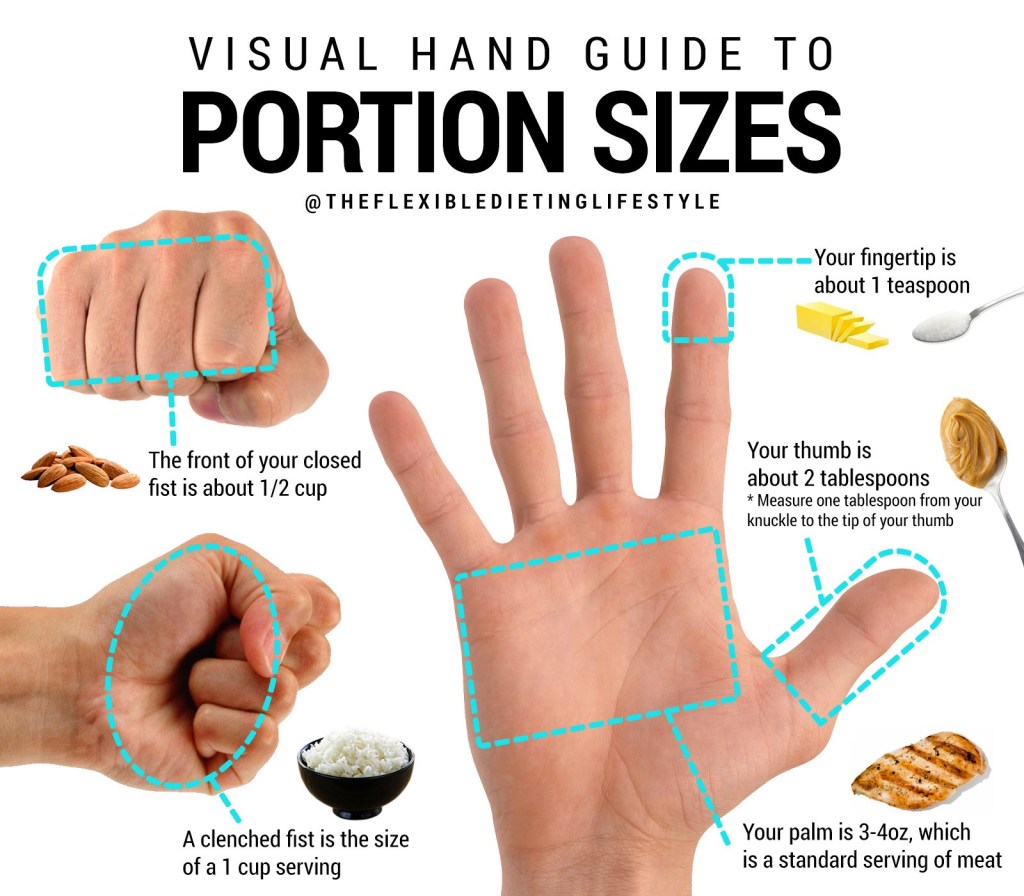
Now figuring out the portion sizes for other things such as meat and fish can be pretty tricky those things are usually measured by the ounce so I found some guides that use your hands to portion out your food. I will put that picture guide down below. Overall, portion sizing is really not that scary and easy to do so don’t run away from it be smart and portion!

I do not own this photo. This photo was found using a google search for free images
Check out my Youtube video on portioning