Nut-Free Nutter Butter Cookies: A Delicious and Allergy-Friendly

Indulging in sweet treats should be a good experience for everyone, regardless of dietary restrictions. If you or someone you know has a nut allergy but still craves the creamy, nutty goodness of traditional peanut butter cookies, you’re in luck! In this blog post, we’ll show you how to whip up a batch of nut-free nutter butter cookies using oat flour, maple syrup, and a nut-free nut butter. Get ready to satisfy your sweet tooth with this easy and allergy-friendly recipe.

Ingredients:

– 1 cup oat flour (gluten-free if needed)

– 1/2 cup nut-free nut butter (such as sunflower seed butter or soy nut butter)

– 1/4 cup pure maple syrup

– 1/4 cup coconut oil, melted

– 1 teaspoon vanilla extract

– Pinch of salt

Instructions:

1. Preheat your oven to 350°F (175°C) and line a baking sheet with parchment paper.

2. In a mixing bowl, combine the oat flour and salt. Stir until well combined.

3. In a separate bowl, whisk together the nut-free nut butter, maple syrup, melted coconut oil, and vanilla extract until smooth and creamy.

4. Gradually add the wet ingredients to the dry ingredients, stirring until a thick dough forms. If the dough is too sticky, you can add a little more oat flour until it reaches the desired consistency.

5. Using a tablespoon or cookie scoop, portion out the dough and roll it into balls. Place the balls onto the prepared baking sheet, leaving some space between each one.

6. Use a fork to gently flatten each cookie and create a crisscross pattern on top.

7. Bake the cookies in the preheated oven for 10-12 minutes, or until lightly golden around the edges.

8. Remove the cookies from the oven and allow them to cool on the baking sheet for a few minutes before transferring them to a wire rack to cool completely.

9. Once cooled, enjoy your nut-free nutter butter cookies with a glass of almond milk or your favorite dairy-free beverage!

Why You’ll Love These Cookies:- Nut-Free: Made with a nut-free nut butter, these cookies are safe for individuals with nut allergies to enjoy.- Easy to Make: With just a few simple ingredients and minimal prep time, these cookies are perfect for busy bakers.- Allergy-Friendly: Free from gluten, dairy, and eggs, these cookies are suitable for those with a variety of dietary restrictions.

Until next time enjoy and be safe!

Nourishing Your Body and Mind: The Power of Self-Love and Holistic Nutrition

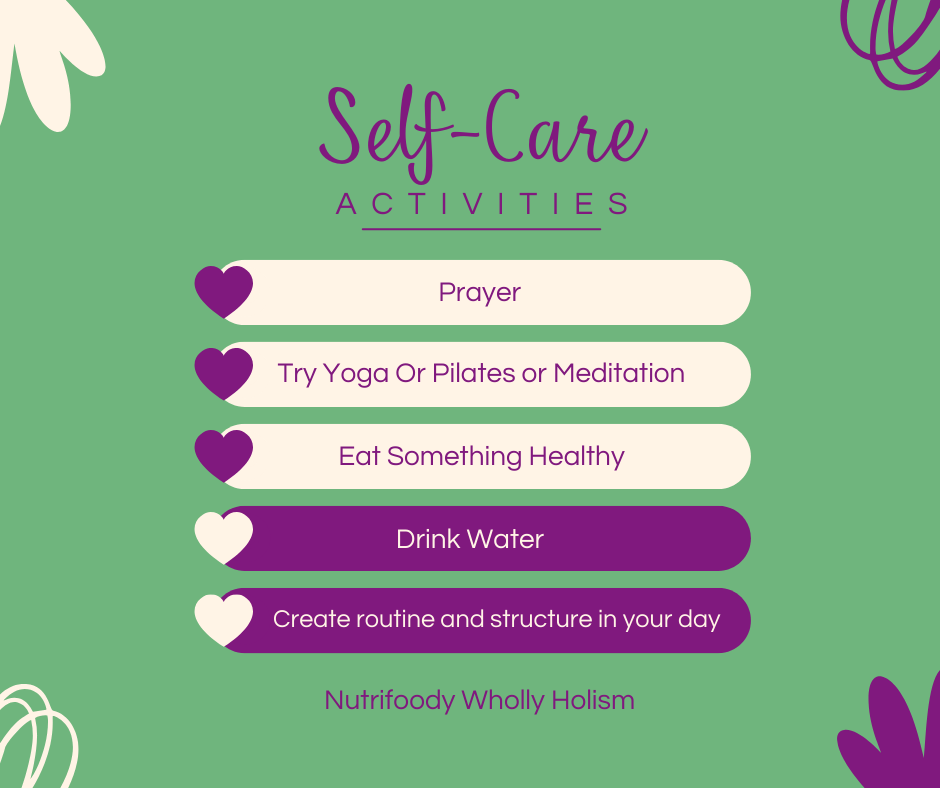
Hello February! How did we get to February so fast? I hope that you were kind and gentle to yourself in January and gave yourself some grace as that is the month where we like to just head first into things and knock out all our goals. In today’s busy world, self-love and self-care are often overlooked, yet they are crucial for our overall well-being. As we celebrate Heart Health Month, it’s a perfect time to explore the profound impact of self-love on our hearts—both physically and emotionally. By incorporating holistic nutrition practices into our self-care routines, we can nourish our bodies and minds from within.

The Importance of Self-Love and Self-Care: Self-love and self-care are the cornerstones of a healthy and fulfilling life. When we prioritize ourselves, we acknowledge our worth and treat ourselves with compassion and kindness. By taking intentional steps to care for our physical, emotional, and mental health, we create a foundation for resilience, reduced stress, and enhanced well-being.

Tips and Strategies for Self-Love Routines:

  1. Start Each Day with Gratitude: Begin your day by expressing gratitude for yourself and the world around you. Reflect on what you’re thankful for and set positive intentions for the day ahead.
  2. Practice Mindful Eating: Nourish your body with whole, nutrient-rich foods. Embrace holistic nutrition by incorporating plenty of fruits, vegetables, whole grains, and lean proteins into your meals.
  3. Move Your Body Mindfully: Engage in physical activity that brings you joy and connects you with your body. Whether it’s yoga, dancing, or walking in nature, find activities that nurture both your physical and mental well-being.
  4. Set Boundaries and Prioritize Self-Care: Learn to say no to activities that drain your energy and yes to self-care practices that replenish your spirit. Establish healthy boundaries in your relationships and schedule regular “me time.”

Tying Self-Care to Heart Health: Self-care isn’t just about pampering—it’s about nurturing our hearts, both emotionally and physically. By prioritizing self-love and holistic nutrition, we create a nurturing environment for our hearts to thrive. These practices not only support heart health but also promote overall well-being and vitality.

Self-love and self-care are essential for our health and happiness. By incorporating self-love rituals into our daily lives and embracing holistic nutrition practices, we can nourish our bodies and minds from within. As we celebrate Heart Health Month, let’s remember to prioritize ourselves and nurture the most important relationship we have—the one with ourselves.

– Vanessa J

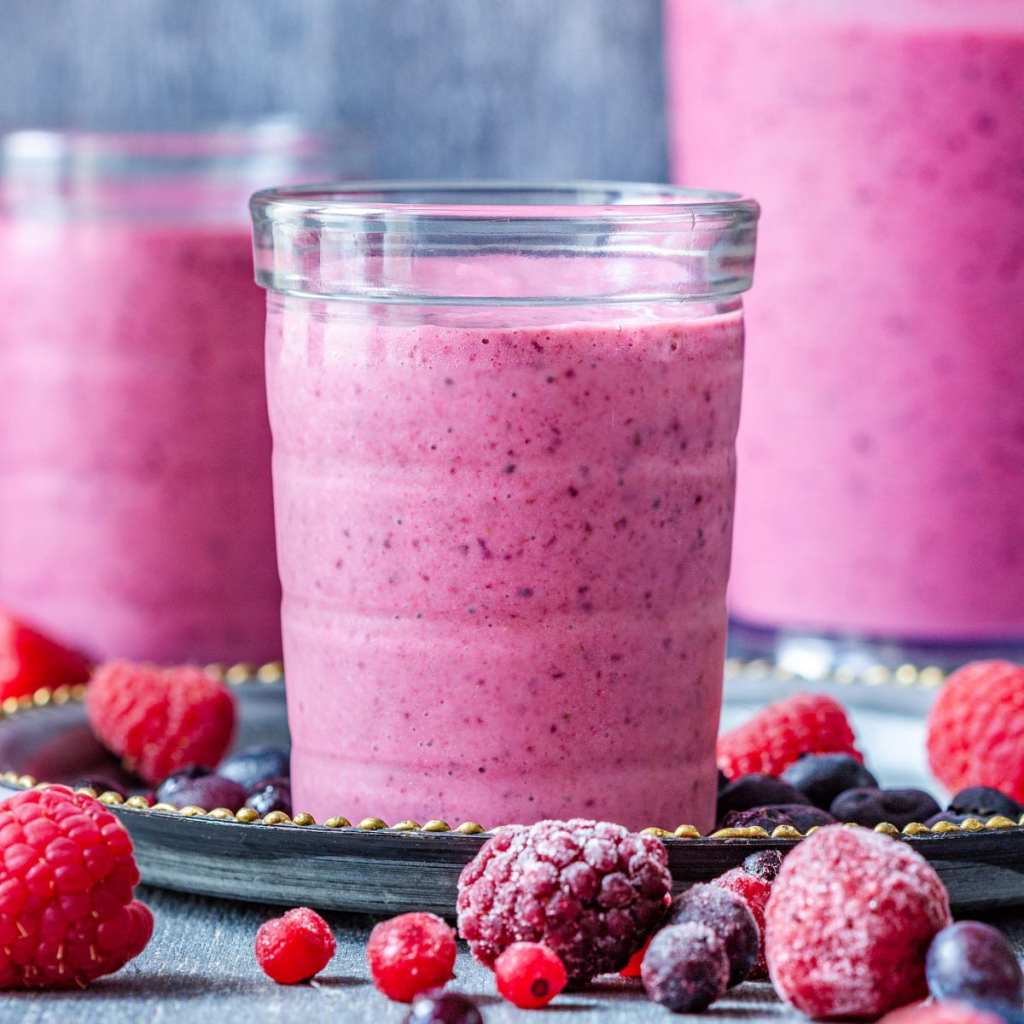
Immunity-Boosting Winter Berry Smoothie

This time of the year is the best time to focus on boosting our immune systems and building our immunity. We have so many things going around these days it should be at the top of our list. I love a good berry smoothie and to be honest my favorite of all berries are blueberries (plus they are a superfood!) The great thing about this smoothie is that anyone can drink it including little ones. Give it a try and let me know what you think! – Vanessa J

Ingredients:

  • 1 cup frozen mixed berries (blueberries, strawberries, raspberries)
  • 1/2 ripe banana
  • 1/2 cup plain or vanilla almond milk
  • 1/2 cup Greek yogurt (or plant-based yogurt for a vegan option)
  • 1 tablespoon chia seeds
  • 1 tablespoon honey or maple syrup (optional for sweetness)
  • 1 teaspoon fresh ginger, grated
  • 1 teaspoon turmeric powder
  • 1/2 teaspoon cinnamon
  • Ice cubes (optional for a colder smoothie)

Instructions:

  1. Prepare Ingredients:
    • Gather all the ingredients and ensure the berries and banana are frozen for a refreshing consistency.
  2. Blend:
    • In a blender, combine the frozen berries, banana, almond milk, Greek yogurt, chia seeds, honey or maple syrup (if using), grated ginger, turmeric powder, and cinnamon.
  3. Blend Until Smooth:
    • Blend the ingredients until you achieve a smooth and creamy texture. If the smoothie is too thick, you can add more almond milk.
  4. Taste and Adjust:
    • Taste the smoothie and adjust the sweetness or spiciness according to your preference. You can add more honey, ginger, or turmeric as needed.
  5. Serve:
    • Pour the winter berry smoothie into a glass. If desired, add ice cubes for an extra chill.

Additional Tips:

  • Customization: Feel free to customize the smoothie by adding other immune-boosting ingredients like spinach, kale, or a scoop of plant-based protein powder.
  • Garnish: Garnish the smoothie with a sprinkle of chia seeds, a few fresh berries, or a slice of citrus for an extra nutrient boost.

Benefits of Ingredients:

  • Berries: Packed with antioxidants and vitamin C.
  • Banana: Provides potassium and natural sweetness.
  • Almond Milk: A good source of vitamin E.
  • Greek Yogurt: Contains probiotics for gut health.
  • Chia Seeds: Rich in omega-3 fatty acids and fiber.
  • Ginger: Known for its anti-inflammatory properties.
  • Turmeric: Contains curcumin, known for its anti-viral and anti-inflammatory benefits.
  • Cinnamon: Adds warmth and may have immune-boosting properties.

Veganuary Recipe – Creamy Chickpea and Spinach Curry

Hey Foodies,

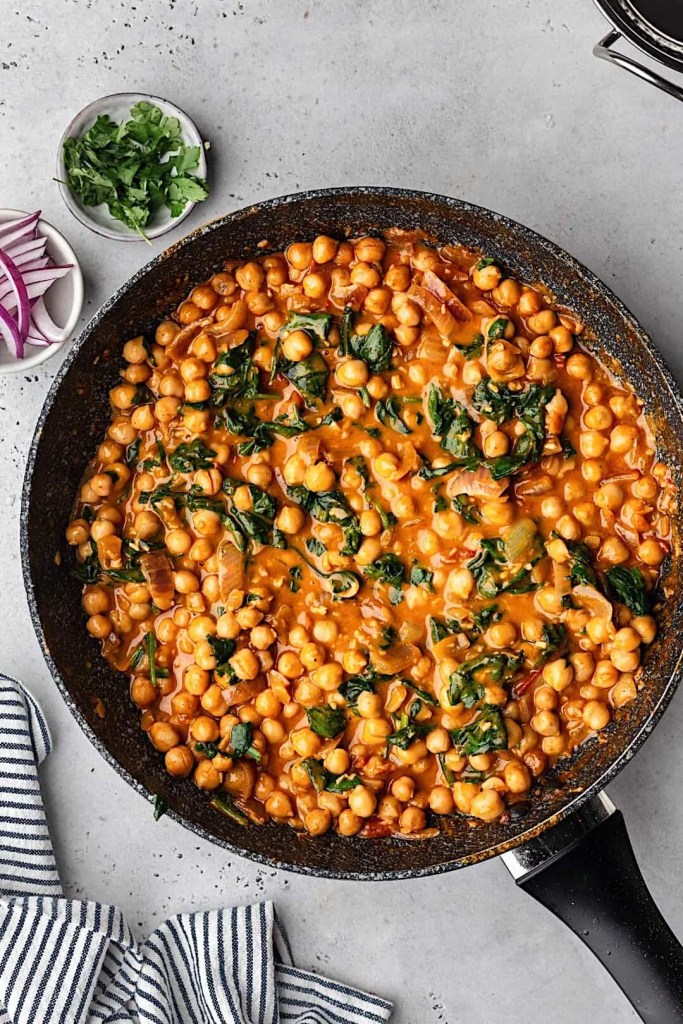
Can you believe we are already entering the third week of January? Now this recipe I am going to share with you if perfect for if you are looking to find a dish to make for veganuary or just in general looking for a good meatless dish. The first time I tried making a chickpea curry was last year during the holidays for 2023. First I made it for Thanksgiving and my family requested it again for a family dinner in December ( I no longer celebrate Christmas so we just do family dinners). It is creamy, delicious, and flavorful I absolutely love it every time and I will probably be putting this on my meal plan for this week!

Ingredients:

  • 1 can chickpeas, drained and rinsed
  • 1 onion, finely chopped
  • 3 cloves garlic, minced
  • 1 tablespoon curry powder
  • 1 teaspoon ground cumin
  • 1 teaspoon ground coriander
  • 1 can diced tomatoes
  • 1 can coconut milk
  • 4 cups fresh spinach
  • Salt and pepper to taste

Instructions:

  1. In a large pan, sauté the chopped onion and garlic until translucent.
  2. Add the curry powder, ground cumin, and ground coriander. Stir well to coat the onions and garlic with the spices.
  3. Pour in the diced tomatoes and coconut milk. Bring to a simmer.
  4. Add the chickpeas and let the curry cook for 15-20 minutes, allowing the flavors to meld.
  5. Just before serving, fold in the fresh spinach until it wilts.
  6. Season with salt and pepper to taste.

Serving Suggestions:

  • Serve the curry over a bed of fluffy basmati rice or quinoa.
  • Garnish with fresh cilantro and a squeeze of lime juice.

Benefits of Chickpeas and Spinach:

  1. Rich in Plant-Based Protein:
    • Chickpeas are an excellent source of plant-based protein, making them a valuable addition to vegetarian and vegan diets. Protein is essential for muscle repair, growth, and overall body function.
  2. High in Dietary Fiber:
    • The high fiber content in chickpeas supports digestive health by promoting regular bowel movements and preventing constipation. Fiber also helps in maintaining stable blood sugar levels.
  3. Regulates Blood Sugar Levels:
    • Chickpeas have a low glycemic index, which means they have a minimal impact on blood sugar levels. This makes them a suitable food for individuals with diabetes or those looking to manage blood sugar.
  4. Heart Health:
    • The combination of fiber, potassium, and antioxidants in chickpeas contributes to heart health by reducing cholesterol levels and supporting healthy blood pressure.
  5. Provides Essential Nutrients:
    • Chickpeas contain essential nutrients such as iron, magnesium, zinc, and B-vitamins, contributing to energy production, immune function, and overall well-being.
  6. Weight Management:
    • The fiber and protein content in chickpeas promote a feeling of fullness, which can be beneficial for weight management by reducing overall calorie intake.

Spinach:

  1. Abundant in Nutrients:
    • Spinach is packed with vitamins A, C, K, and folate, as well as minerals like iron and magnesium. These nutrients are crucial for various bodily functions, including immune support, bone health, and blood clotting.
  2. Rich in Antioxidants:
    • Spinach contains antioxidants, such as beta-carotene and lutein, which help protect the body’s cells from oxidative stress and may reduce the risk of chronic diseases.
  3. Promotes Healthy Vision:
    • Lutein and zeaxanthin, present in spinach, are associated with promoting eye health and reducing the risk of age-related macular degeneration.
  4. Anti-Inflammatory Properties:
    • Spinach contains phytonutrients that have anti-inflammatory properties, which may help reduce inflammation in the body and lower the risk of chronic diseases.
  5. Supports Bone Health:
    • The high vitamin K content in spinach is essential for bone health as it plays a role in calcium absorption and bone mineralization.
  6. Aids Digestive Health:
    • The fiber in spinach contributes to digestive health by promoting regular bowel movements and supporting a healthy gut microbiome.
  7. Low in Calories:
    • Spinach is low in calories but high in nutrients, making it a nutrient-dense choice for those looking to maintain a healthy weight.

As you embark on your Veganuary journey, remember that it’s not about perfection but progress. Every plant-based meal you enjoy contributes to a healthier you and a healthier planet. Join the global movement, savor the flavors, and discover the joy of compassionate eating.

-Vanessa J

Plant-Based Eating: A Holistic Approach to Veganuary

Photo by Vegan Liftz on Pexels.com

As January starts, many people embark on the journey of Veganuary—a month-long commitment to exploring plant-based eating. Beyond being a dietary choice, embracing a plant-based lifestyle extends far beyond the plate, offering holistic benefits for your well-being and the planet. Let’s delve into the multifaceted advantages of plant-based eating and provide guidance for those stepping into Veganuary.

Holistic Benefits of Plant-Based Eating:

  1. Nourishing the Body: Plant-based diets are rich in an array of vitamins, minerals, and antioxidants derived from fruits, vegetables, nuts, seeds, and whole grains. These nutrients support overall health, contributing to vibrant skin, strong bones, and optimal organ function.
  2. Gut Health and Digestion: Plant-based diets are typically high in fiber, fostering a healthy gut microbiome. A well-balanced gut contributes to improved digestion, nutrient absorption, and supports a robust immune system.
  3. Reducing Inflammation: Plant-based foods are known for their anti-inflammatory properties. By minimizing the consumption of inflammatory foods commonly found in animal products, individuals often experience a reduction in inflammation, leading to improved joint health and overall well-being.
  4. Heart Health: Plant-based eating has been linked to a lower risk of heart disease. The absence of saturated fats found in animal products, coupled with the presence of heart-healthy fats in plant-based sources, contributes to lower cholesterol levels and improved cardiovascular health.
  5. Weight Management: Plant-based diets tend to be naturally lower in calorie density while providing essential nutrients. This, combined with an increased intake of fiber, supports weight management and a healthy body mass index.
  6. Mental Well-being: The connection between plant-based eating and mental health is gaining attention. Nutrient-rich foods may positively impact mood and cognitive function, promoting mental clarity and overall well-being.
  7. Ethical and Environmental Impact: Adopting a plant-based lifestyle aligns with ethical considerations, as it reduces the demand for animal agriculture. Additionally, plant-based diets have a lower environmental footprint, contributing to sustainability and reducing the impact on the planet.

Guidance for Veganuary:

  1. Diverse Plant-Based Foods: Explore the richness of plant-based foods by incorporating a variety of fruits, vegetables, legumes, whole grains, nuts, and seeds into your meals. This diversity ensures a broad spectrum of nutrients.
  2. Balanced Nutrient Intake: Pay attention to essential nutrients like protein, iron, calcium, vitamin B12, and omega-3 fatty acids. While many plant-based foods provide these nutrients, it’s important to ensure a balanced intake through supplementation or fortified foods when necessary.
  3. Cooking Creativity: Embrace the creativity of plant-based cooking. Experiment with new recipes, flavors, and textures to discover a world of culinary delights that go beyond traditional meat-based dishes.
  4. Community Support: Join online communities or local groups participating in Veganuary. Sharing experiences, tips, and recipes with like-minded individuals can provide invaluable support and motivation.
  5. Educational Resources: Arm yourself with knowledge about plant-based nutrition. Explore reputable sources, documentaries, and books to deepen your understanding of the health and environmental benefits of a plant-based lifestyle.

Veganuary is not just a dietary challenge; it’s an opportunity to explore the holistic benefits of plant-based living. By embracing the richness of plant-based foods, you’re not only nourishing your body but also contributing to a more compassionate, sustainable, and holistic approach to well-being—one plate at a time.

-Vanessa J