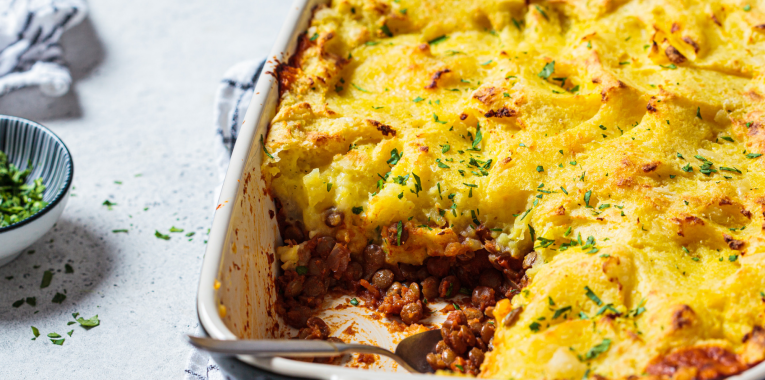
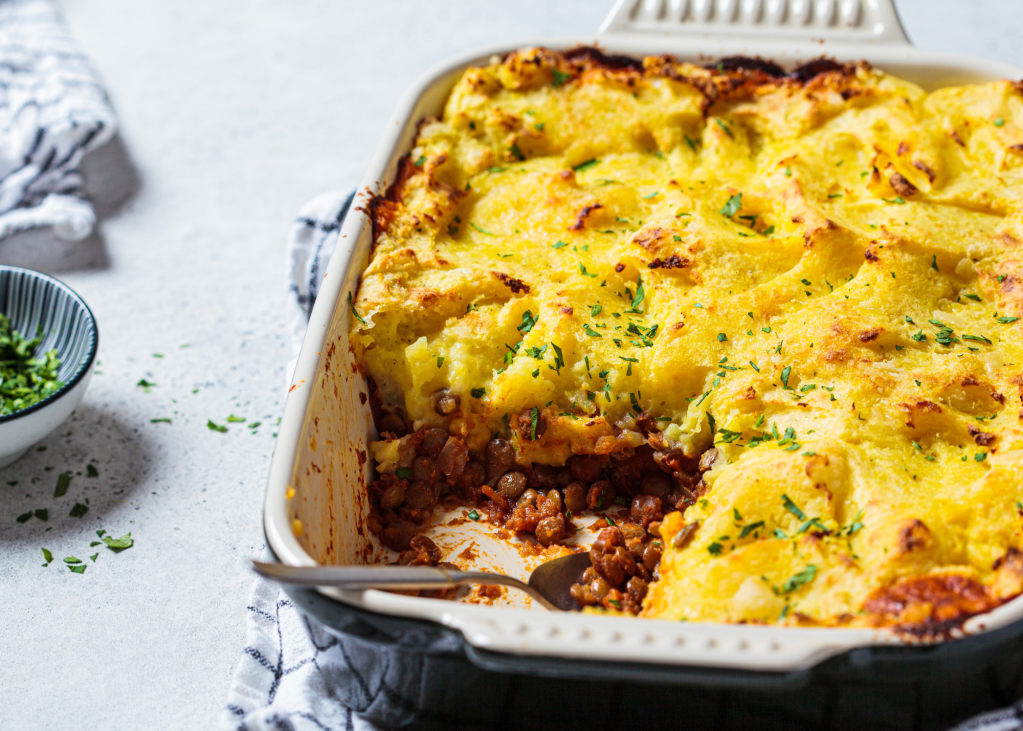
Cozy Lentil Shepherd’s Pie

In the realm of comforting meals, few dishes evoke the same sense of warmth and nostalgia as Shepherd’s Pie. Traditionally made with ground meat and topped with creamy mashed potatoes, this hearty dish has been a staple on dinner tables for generations. But what if we told you there’s a delicious vegetarian version that’s just as satisfying? Enter: Cozy Lentil Shepherd’s Pie.

This vegetarian twist on the classic Shepherd’s Pie is a celebration of wholesome ingredients and hearty flavors. By swapping out the meat for protein-rich lentils and loading up on vegetables, we’ve created a dish that’s not only delicious but also nutritious and comforting.


For the Lentil Filling:
– 1 cup dry green or brown lentils, rinsed and drained
– 2 cups vegetable broth
– 1 tablespoon olive oil
– 1 onion, diced
– 2 carrots, diced
– 2 celery stalks, diced
– 2 cloves garlic, minced
– 1 teaspoon dried thyme
– 1 teaspoon dried rosemary
– 1 teaspoon smoked paprika
– Salt and pepper to taste
– 1 cup frozen peas
– 1 cup corn kernels (fresh, frozen, or canned)
– 2 tablespoons tomato paste
– 2 tablespoons soy sauce or tamari
– 1 tablespoon Worcestershire sauce (optional)
– 2 tablespoons all-purpose flour (or gluten-free flour for GF version)
– 1 cup vegetable broth or water

For the Mashed Potato Topping:
– 2 lbs potatoes (such as Russet or Yukon Gold), peeled and diced
– 1/4 cup unsalted butter or vegan butter
– 1/2 cup milk (dairy or plant-based)
– Salt and pepper to taste

**Instructions:**

1. Preheat your oven to 400°F (200°C). Grease a 9×13-inch baking dish or a large oven-safe skillet.

2. In a medium saucepan, combine the lentils and vegetable broth. Bring to a boil, then reduce the heat to low, cover, and simmer for about 20-25 minutes, or until the lentils are tender but not mushy. Drain any excess liquid and set aside.

3. In a large skillet, heat the olive oil over medium heat. Add the diced onion, carrots, and celery. Cook for about 5-7 minutes, or until the vegetables are softened.

4. Add the minced garlic, dried thyme, dried rosemary, smoked paprika, salt, and pepper to the skillet. Cook for another 1-2 minutes, until fragrant.

5. Stir in the cooked lentils, frozen peas, corn kernels, tomato paste, soy sauce or tamari, and Worcestershire sauce (if using). Cook for 2-3 minutes, stirring occasionally.

6. In a small bowl, whisk together the flour and vegetable broth (or water) until smooth. Pour this mixture into the skillet with the lentil and vegetable filling. Stir well to combine, then simmer for 5-7 minutes, or until the mixture has thickened slightly. Remove from heat.

7. Meanwhile, cook the diced potatoes in a large pot of boiling water until tender, about 15-20 minutes. Drain the potatoes and return them to the pot.

8. Add the butter and milk to the pot with the cooked potatoes. Mash the potatoes until smooth and creamy. Season with salt and pepper to taste.

9. Transfer the lentil and vegetable filling to the prepared baking dish or skillet. Spread the mashed potatoes evenly over the top of the filling.

10. Place the baking dish or skillet in the preheated oven and bake for 25-30 minutes, or until the mashed potatoes are golden and the filling is bubbly around the edges.

11. Remove from the oven and let cool for a few minutes before serving. Enjoy your cozy Lentil Shepherd’s Pie!

This vegetarian twist on a classic comfort food dish is sure to warm you up on chilly evenings. Enjoy the hearty lentil and vegetable filling topped with creamy mashed potatoes for a satisfying and nutritious meal!

The Power of Self-Love: Cultivating a Healthy Relationship with Food and Body

Taking care of ourselves inside and out

As you can see this is not the first time I have written a blog post on self-love and taking care of your body. In honor of heart health month, let’s take a deeper dive into why it is important to care of yourself as a whole. In a world often defined by external standards and pressures, nurturing a healthy relationship with food and body image is essential for our well-being. At the core of this journey lies self-love – the practice of embracing ourselves with compassion and acceptance. In this blog post, we’ll explore how cultivating self-love can transform our relationship with food and body, offering practical tips for fostering a more nourishing connection with ourselves.

**Embracing Your Journey**

Self-love begins with recognizing our inherent worth, independent of appearance or size. By embracing our uniqueness and celebrating our strengths, we lay the foundation for a compassionate relationship with ourselves and our bodies.

**Honoring Your Body’s Wisdom**

Listening to our body’s cues and nourishing ourselves with foods that satisfy and energize us is an act of self-love. By tuning into our hunger and fullness signals and trusting our body’s wisdom, we can break free from restrictive eating patterns and rediscover the joy of intuitive eating.

**Practicing Self-Compassion**

Self-love involves treating ourselves with kindness and understanding, especially when faced with challenges or setbacks. Practicing self-compassion allows us to cultivate resilience and inner strength, supporting us on our journey to healing and growth.

**Finding Joy in Nourishment**

Approaching food with gratitude and mindfulness enhances our eating experience and deepens our connection to nourishment. By savoring each bite and appreciating the flavors and textures of our meals, we can cultivate a sense of pleasure and satisfaction in eating.

**Embracing Holistic Self-Care**

Self-love extends beyond food to encompass all aspects of self-care and well-being. Engaging in activities that bring us joy and nourish our mind, body, and soul – such as spending time in nature, practicing mindfulness, or connecting with loved ones – fosters a holistic sense of well-being.

**Conclusion**

Embracing self-love is a transformative journey that empowers us to cultivate a healthy relationship with food and body. By honoring our worth, listening to our body’s wisdom, and practicing self-compassion, we can foster a deeper sense of nourishment, joy, and fulfillment in our lives. Let us embark on this journey of self-discovery and embrace the transformative power of self-love, one mindful and compassionate step at a time.

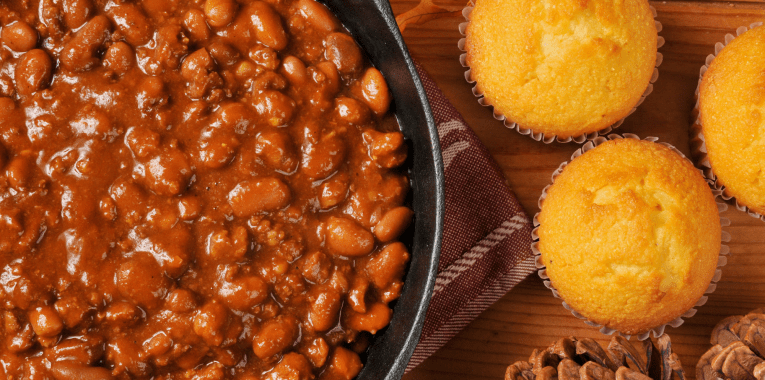
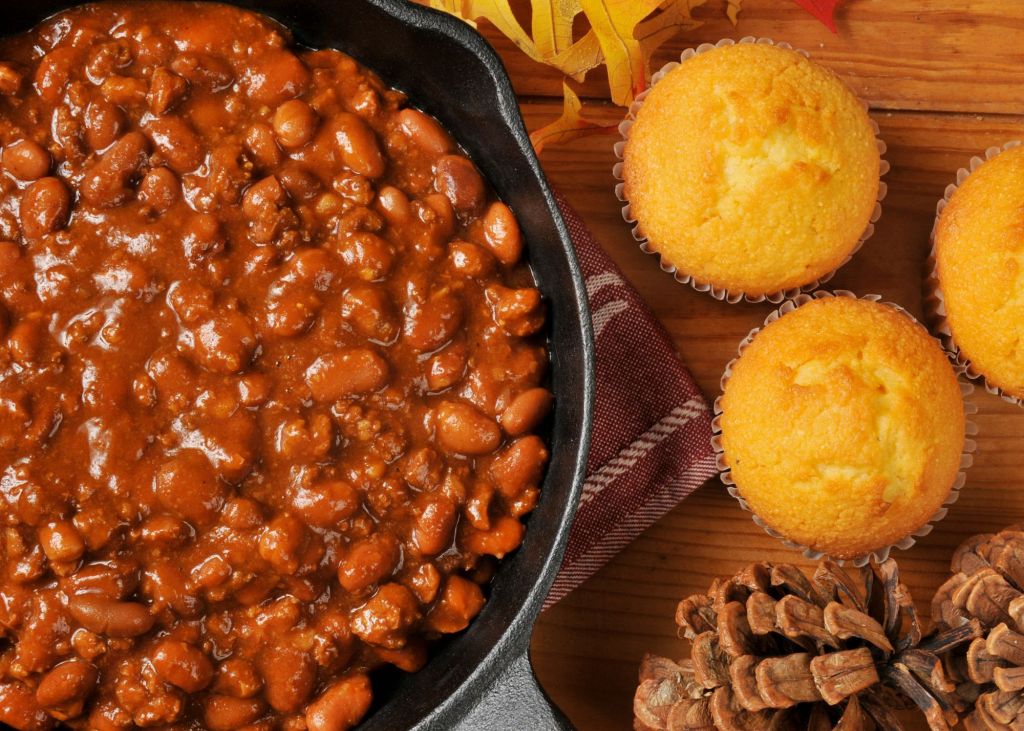
Vegetarian Chili with Cornbread Muffin

Yummy Veggie Chili with Cornbread

So happy to share some cozy heart healthy meals/recipes for heart health month. The heart is one of the most important organs in our body. How we eat determines the condition of our heart and our bodies. Try out this healthy vegetarian chili the cornbread is optional, but both together make a great pair

Vegetarian Chili:

Ingredients:

  • 1 tablespoon olive oil
  • 1 large onion, diced
  • 2 cloves garlic, minced
  • 1 bell pepper, diced
  • 1 jalapeño pepper, seeded and minced (optional, for added heat)
  • 2 carrots, diced
  • 2 stalks celery, diced
  • 1 can (15 oz) black beans, drained and rinsed
  • 1 can (15 oz) kidney beans, drained and rinsed
  • 1 can (15 oz) diced tomatoes
  • 1 cup corn kernels (fresh, frozen, or canned)
  • 1 cup vegetable broth
  • 2 tablespoons tomato paste
  • 2 teaspoons chili powder
  • 1 teaspoon ground cumin
  • 1/2 teaspoon smoked paprika
  • Salt and pepper to taste
  • Optional toppings: shredded cheese, chopped green onions, sour cream, cilantro, avocado

Instructions:

  1. In a large pot or Dutch oven, heat the olive oil over medium heat. Add the diced onion and cook until softened, about 5 minutes.
  2. Add the minced garlic, diced bell pepper, jalapeño pepper (if using), carrots, and celery to the pot. Cook for another 5 minutes, stirring occasionally, until the vegetables are tender.
  3. Stir in the drained black beans, kidney beans, diced tomatoes, corn kernels, vegetable broth, tomato paste, chili powder, ground cumin, smoked paprika, salt, and pepper.
  4. Bring the chili to a simmer, then reduce the heat to low and let it simmer, uncovered, for about 20-25 minutes, stirring occasionally, until the flavors have melded together and the chili has thickened to your desired consistency.
  5. Taste and adjust the seasoning as needed, adding more salt, pepper, or spices to taste.
  6. Serve the vegetarian chili hot, garnished with your favorite toppings such as shredded cheese, chopped green onions, sour cream, cilantro, or avocado.

Cornbread Muffins:

Ingredients:

  • 1 cup cornmeal
  • 1 cup all-purpose flour
  • 1/4 cup granulated sugar
  • 1 tablespoon baking powder
  • 1/2 teaspoon salt
  • 1 cup milk (dairy or plant-based)
  • 1/4 cup unsalted butter, melted
  • 1 large egg

Instructions:

  1. Preheat your oven to 400°F (200°C). Grease or line a muffin tin with paper liners.
  2. In a large mixing bowl, whisk together the cornmeal, all-purpose flour, sugar, baking powder, and salt until well combined.
  3. In a separate bowl, whisk together the milk, melted butter, and egg until smooth.
  4. Pour the wet ingredients into the dry ingredients and stir until just combined. Be careful not to overmix; a few lumps are okay.
  5. Divide the batter evenly among the prepared muffin cups, filling each about 3/4 full.
  6. Bake in the preheated oven for 15-18 minutes, or until the tops are golden brown and a toothpick inserted into the center comes out clean.
  7. Remove the cornbread muffins from the oven and let them cool in the pan for a few minutes before transferring them to a wire rack to cool completely.

Enjoy your vegetarian chili with warm and fluffy cornbread muffins for a comforting and satisfying meal!

– With lots of love, Vanessa J.

Heart-Healthy Eating: Strategies for Lowering Cholesterol and Supporting Cardiovascular Health


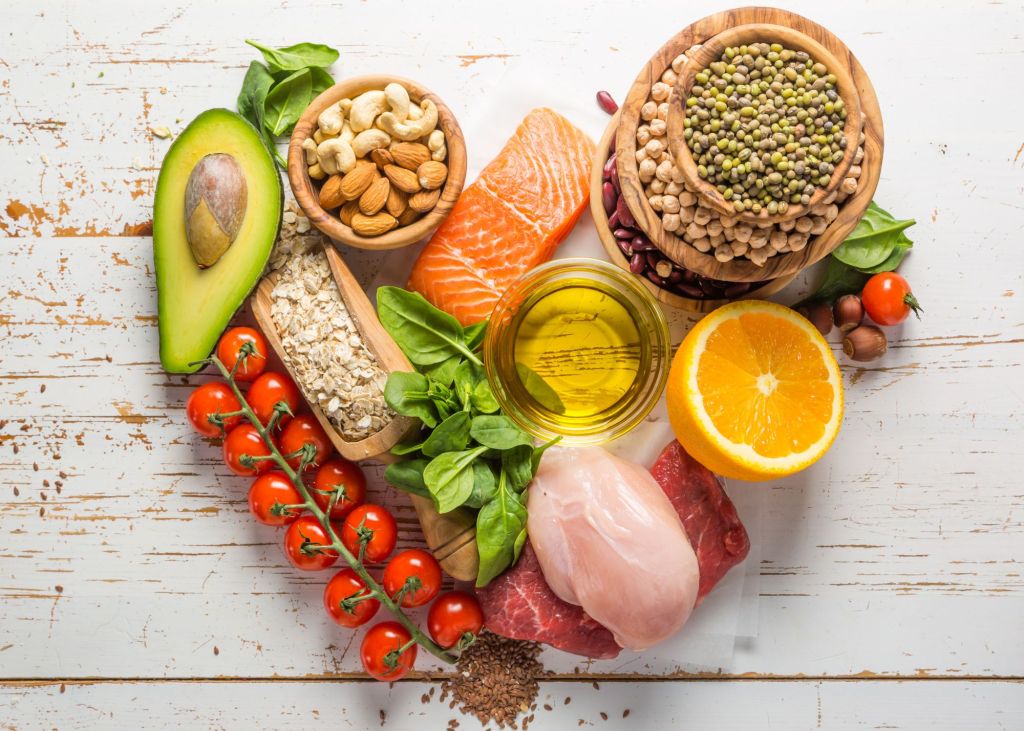
In a world where heart disease remains a leading cause of death, prioritizing heart health has never been more important. Fortunately, one of the most powerful tools in our arsenal is right on our plates: food. By adopting a heart-healthy diet rich in nutrient-dense foods and low in saturated fats and cholesterol, we can significantly reduce our risk of heart disease and support overall cardiovascular health. In this blog post, we’ll explore some key strategies for lowering cholesterol and promoting heart health through mindful eating.

1. **Focus on Whole Foods:** One of the cornerstones of a heart-healthy diet is choosing whole, minimally processed foods. Fill your plate with plenty of fruits, vegetables, whole grains, legumes, nuts, and seeds. These nutrient-packed foods are rich in fiber, antioxidants, vitamins, and minerals, all of which play a crucial role in cardiovascular health.

2. **Limit Saturated Fats and Trans Fats:** Saturated fats and trans fats can raise LDL cholesterol levels (often referred to as “bad” cholesterol) in the blood, increasing the risk of heart disease. To keep your heart healthy, aim to minimize your intake of foods high in these unhealthy fats, such as red meat, full-fat dairy products, fried foods, and commercially baked goods.

3. **Choose Heart-Healthy Fats:** Not all fats are created equal, and some fats can actually be beneficial for heart health. Opt for sources of unsaturated fats, such as olive oil, avocado, nuts, and fatty fish like salmon and mackerel. These fats can help lower LDL cholesterol levels and reduce inflammation in the body, protecting against heart disease.

4. **Incorporate Plant-Based Proteins:** Plant-based proteins, such as beans, lentils, tofu, and edamame, are not only rich in fiber and essential nutrients but also naturally cholesterol-free By replacing some of the animal-based proteins in your diet with plant-based alternatives, you can help lower your intake of cholesterol and saturated fats.

5. **Eat More Fiber:** Fiber plays a crucial role in heart health by helping to lower LDL cholesterol levels and improve blood sugar control. Aim to include plenty of fiber-rich foods in your diet, such as fruits, vegetables, whole grains, beans, and nuts. These foods not only support heart health but also promote digestive health and weight management.

6. **Watch Your Sodium Intake:** Consuming too much sodium can raise blood pressure, increasing the risk of heart disease and stroke. Be mindful of your sodium intake by choosing low-sodium or sodium-free options when possible and flavoring your meals with herbs, spices, and citrus instead of salt.

7. **Stay Hydrated:** Drinking an adequate amount of water is essential for overall health, including heart health. Aim to drink plenty of water throughout the day to stay hydrated and support optimal cardiovascular function.

By incorporating these heart-healthy eating strategies into your daily routine, you can take proactive steps to lower cholesterol, reduce your risk of heart disease, and support long-term cardiovascular health. Remember, small changes can add up to big results when it comes to protecting your heart, so start making healthier choices today for a healthier tomorrow.

Nut-Free Nutter Butter Cookies: A Delicious and Allergy-Friendly

Indulging in sweet treats should be a good experience for everyone, regardless of dietary restrictions. If you or someone you know has a nut allergy but still craves the creamy, nutty goodness of traditional peanut butter cookies, you’re in luck! In this blog post, we’ll show you how to whip up a batch of nut-free nutter butter cookies using oat flour, maple syrup, and a nut-free nut butter. Get ready to satisfy your sweet tooth with this easy and allergy-friendly recipe.

Ingredients:

– 1 cup oat flour (gluten-free if needed)

– 1/2 cup nut-free nut butter (such as sunflower seed butter or soy nut butter)

– 1/4 cup pure maple syrup

– 1/4 cup coconut oil, melted

– 1 teaspoon vanilla extract

– Pinch of salt

Instructions:

1. Preheat your oven to 350°F (175°C) and line a baking sheet with parchment paper.

2. In a mixing bowl, combine the oat flour and salt. Stir until well combined.

3. In a separate bowl, whisk together the nut-free nut butter, maple syrup, melted coconut oil, and vanilla extract until smooth and creamy.

4. Gradually add the wet ingredients to the dry ingredients, stirring until a thick dough forms. If the dough is too sticky, you can add a little more oat flour until it reaches the desired consistency.

5. Using a tablespoon or cookie scoop, portion out the dough and roll it into balls. Place the balls onto the prepared baking sheet, leaving some space between each one.

6. Use a fork to gently flatten each cookie and create a crisscross pattern on top.

7. Bake the cookies in the preheated oven for 10-12 minutes, or until lightly golden around the edges.

8. Remove the cookies from the oven and allow them to cool on the baking sheet for a few minutes before transferring them to a wire rack to cool completely.

9. Once cooled, enjoy your nut-free nutter butter cookies with a glass of almond milk or your favorite dairy-free beverage!

Why You’ll Love These Cookies:- Nut-Free: Made with a nut-free nut butter, these cookies are safe for individuals with nut allergies to enjoy.- Easy to Make: With just a few simple ingredients and minimal prep time, these cookies are perfect for busy bakers.- Allergy-Friendly: Free from gluten, dairy, and eggs, these cookies are suitable for those with a variety of dietary restrictions.

Until next time enjoy and be safe!