Heart Disease and Women

Photo by Karolina Grabowska on Pexels.com

For Women’s History Month I want to talk about diseases and disorders that affect women, especially from a nutritional aspect and heart disease tops the list. Did you know that heart disease is America’s number one top killer? Heart disease kills more American than all the wars combined that this country has had (referenced from the book “How Not To Die by Dr.Gregor).

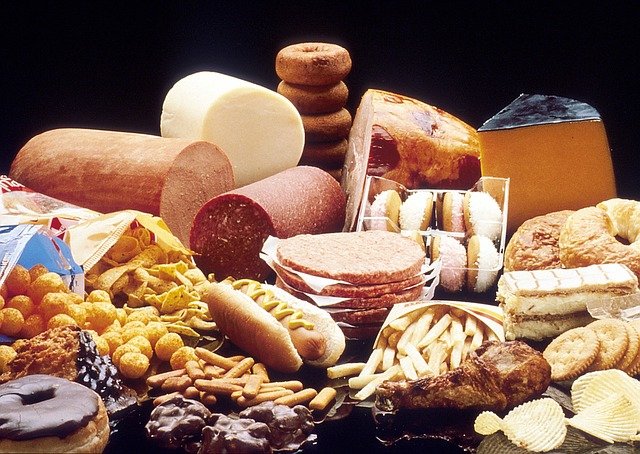
The thing about this about heart disease is that it is totally 100 percent preventable. That is if we aim to eat a healthy diet of course. The typical standard American diet is far from healthy, unfortunately. The American diet is made up of mostly what is considered fast foods such as hamburgers, hot dogs, French fries, pizza, onion rings, chicken nuggets, and milkshakes. Now that is not a diet we can survive off of for a long time because it’s so detrimental to our health and is doing so much damage to our bodies on the inside.

Heart disease is the leading cause of death in women killing about 1 in every 5 female deaths (CDC). Now that is a high very high number and very frightening. Many things can fall under the bracket of heart diseases such as coronary artery disease, arteriosclerosis, atherosclerosis, high cholesterol, hypertension, heart failure, and heart attack.

I will explain what each is that falls under this category.

Coronary Artery Disease (CAD): Coronary arteries supply blood to the heart muscle and are the large arteries found on the surface of the heart. When someone had CAD the arteries become diseased or damaged. This is caused by the buildup of cholesterol plaque in the arteries blocking the blood flow to the heart.

Arteriosclerosis: This happens when blood vessels that carry oxygen and nutrients away from the heart to the rest of the body become thick and stiffen up. Healthy arteries should be flexible and elastic.

Atherosclerosis: This is a type of arteriosclerosis where the buildup of fat and cholesterol forms something called plaque in the arteries. This can eventually lead to arteries being blocked.

High Cholesterol: The level of cholesterol in your blood is high which can be a predisposition to heart disease.

Hypertension: High blood pressure which can affect the heart leading to a heart attack or stroke

Heart Failure: In this condition, the heart doesn’t pump blood as well as it should.

Heart Attack: Total blockage of an artery leading to the heart

Despite knowing all this the rate of heart disease continues to rise. Some things you can do to improve your heart health are

  • Limiting your intake of fast foods. Fast foods are meant to enjoy once in a while not eat everyday
  • Limit your intake of processed foods. Sometimes it can be hard to avoid processed foods because these days it can seem like everything is processed but try swapping out processed foods for whole foods. Whole foods like eating fruits and vegetables are more filling and don’t raise your blood sugar so high and keep you fuller throughout the day.
  • Drink WATER! Drinking water is essential to life. Drinking water helps keep our circulatory system moving along and helps rid of the toxins in our bodies. Stay away from juices and sugary drinks that provide nothing but empty calories.
  • Limit your intake of certain types of meat such as red meat. Yes, it can be hard do that but consuming too much meat can clog up our arteries
  • Lastly, keep those sweets in check! Avoid eating too many candies, cookies, pastries, and cakes. It may be good in the moment be eating this regularly does not do any good for our bodies.

References: Centers of Disease Control: Lookup Heart Disease

How Not To Die By: Dr. Gregor

Smoothies Anyone?

Photo by Sebastian Coman Photography on Pexels.com

To start, I would like to say to all of you a Happy New Year! I know we are well into February but I haven’t written a blog post since last October and it feels good to write again. As you can see this site has gone through some major changes one being that I am now shifting my nutrition teaching and education to a holistic approach. This was something that I thought about for a very long time living a more holistic lifestyle using cleaner and more natural products and of course eating healthy.

If you have been a long-time follower of my blog you know that I had a baby towards the end of 2019 and that was a lot on my body and shifting into the postpartum phase and being a new mom everything changed. Most days with a new baby I didn’t eat or cook, I was just too tired or drained to do so, so I mostly relied on ordering and eating out. Then when the pandemic occurred everyone was stuck in the house. Being stuck in the house there was not much to do but eat. For about four months we were stuck in quartine. For these past three years, it became hard to break those habits but now I am ready to embark on a journey to become a new healthier me and meet my weight loss goals.

I know that many of you may be like me and are ready to make a change this year and weight loss may be on your list of goals so my question is what are you doing to achieve your weight loss goals. Are you focusing on nutrition or are you focusing on fitness? The answer really is that you should focus on both, but without proper nutrition, fitness can not eliminate much. So the priority to that we change our diets and develop better eating habits but this takes time.

There are a number of things I am doing right now when it comes to my nutrition goals but I will discuss that in another blog post, but for this post, we will focus on smoothies. Smoothies have been around for many many years and so many people love them. I love smoothies as well! Smoothies are a great source of fiber, they allow you to get an intake of fruits and vegetables, and they can keep you full for a very long time. That is where the smoothie diet comes in. The Smoothie Diet is a 21-day diet that focuses all on drinking smoothies. So the smoothies will replace the meals that you would normally have. So two meals will be replaced with smoothies and your third meal will be the meal of your choice.

The Smoothie Diet consists of different recipes that are specifically targeted to help you lose weight and burn fat. These smoothies can be made in no time, compared to making a full meal. This program provides you with a full guide and grocery/shopping list. It is all done for you all you have to do is gather your ingredients and make your smoothie. The good thing is that once you get through your 21 days you can repeat this over again if you do feel like you want to increase your goals or see more results. This program also comes with two bonuses you get the quick start guide and your detox guide all for $37 dollars. I made my purchase and you should too. I can’t wait to share the results with you all. If you do decide to make this purchase as well please share your results with me. Download the free smoothies fact sheet I created especially for you.

https://yourbodyyourhealth.systeme.io/e239eb28-306fbb4e

Click Link Above to Watch Video

Download your free smoothie fact sheet made by me

Good luck with your weight loss journey and goals. We can do this!

To purchase make your purchase please click on the link below!

https://yourbodyyourhealth.systeme.io/purchase

Food Guilt During The Holidays

Photo by Tima Miroshnichenko on Pexels.com

Can you believe that today is the last of October? That means that Thanksgiving is only three weeks away and right around the corner from Thanksgiving are all the wonderful holidays celebrated around the world such as Hanukkah, Christmas, and Kwanza. By the way in Canada Thanksgiving is celebrated in October!

During this of the year, many of us may experience something I would call food guilt. Meaning you feel guilty for eating badly during the holidays. But bad is something you should not feel during these special days especially when these holidays are meant to be a time of coming together and a time of joy. With that joy comes delicious foods and a variety of foods! Some of us may cook traditional foods during Thanksgiving such as turkey, stuffing, ham, sweet potato casserole, and some people put their own spins on Thanksgiving cooking creating dishes that they like and enjoy. For me, I love doing a mix of traditional and non-traditional foods during Thanksgiving.

Now when it comes to food let me tell you I used to be scared to consume so many calories during these holidays and be overly full to the point that I couldn’t buckle my pants. I used the think that during Thanksgiving you have to eat a lot of food but actually, you don’t. There is no rule that says you have to eat 3 plates of food during the holidays. The best way to approach eating during the holidays without feeling any guilt about it is to start with one plate of food and go in with the mindset of portion controlling how much food you take, then after that, if you feel like you still have some room for more then take another plate but do not overeat and most importantly allow your body some time to digest your first plate.

You should be able to enjoy what you eat during the holidays without feeling restricted. Eating is all about balance, find your balance and enjoy food!

Written By: Vanessa J.

The GOOD and BAD Fats

Photo by Pixabay on Pexels.com

The Good and The Bad FATS

Now I know you guys have been waiting on this one and I’m a little late but I’m back! So lets talk about the GOOD FATS and the BAD FATS. Just as with carbohydrates there are healthy fats and not so healthy fats because what it can do to the body.

Let’s start with a little science:

  • Fat Molecules which are called “triglycerides are made up of chains and bonds
  • These chains and bonds can be single or double
  • These chains and bonds can have carbon atoms or hydrogen atoms
  • These chains and bonds will determine what type of fat you are dealing with

The GOOD:

  • When you hear about good fats you will usually hear “unsaturated”
  • Unsaturated fats have subcategories called “Mono-unsaturated” and “Poly-unsaturated
  • Mono-unsaturated fats is a fat molecule that has a single double bound and one of those bonds is an unsaturated carbon bond
  • Mono-unsaturated fats are liquid at room temperature and solid when cold
  • Mono-unsaturated fats help to reduce bad cholesterol in the body which is called LDL and HDL is the healthy cholesterol
  • Mono-unsaturated fats helps to maintain the cells in the body by giving it nutrients such as vitamin E
  • Same thing goes for Poly-unsaturated fats with the exception that it has more than one unsaturated carbon bond
  • Poly-unsaturated fats work in the same ways as mono-unsaturated fats helping the body to regulate cholesterol levels

Examples of Mono-unsaturated and Poly- unsaturated Oils:

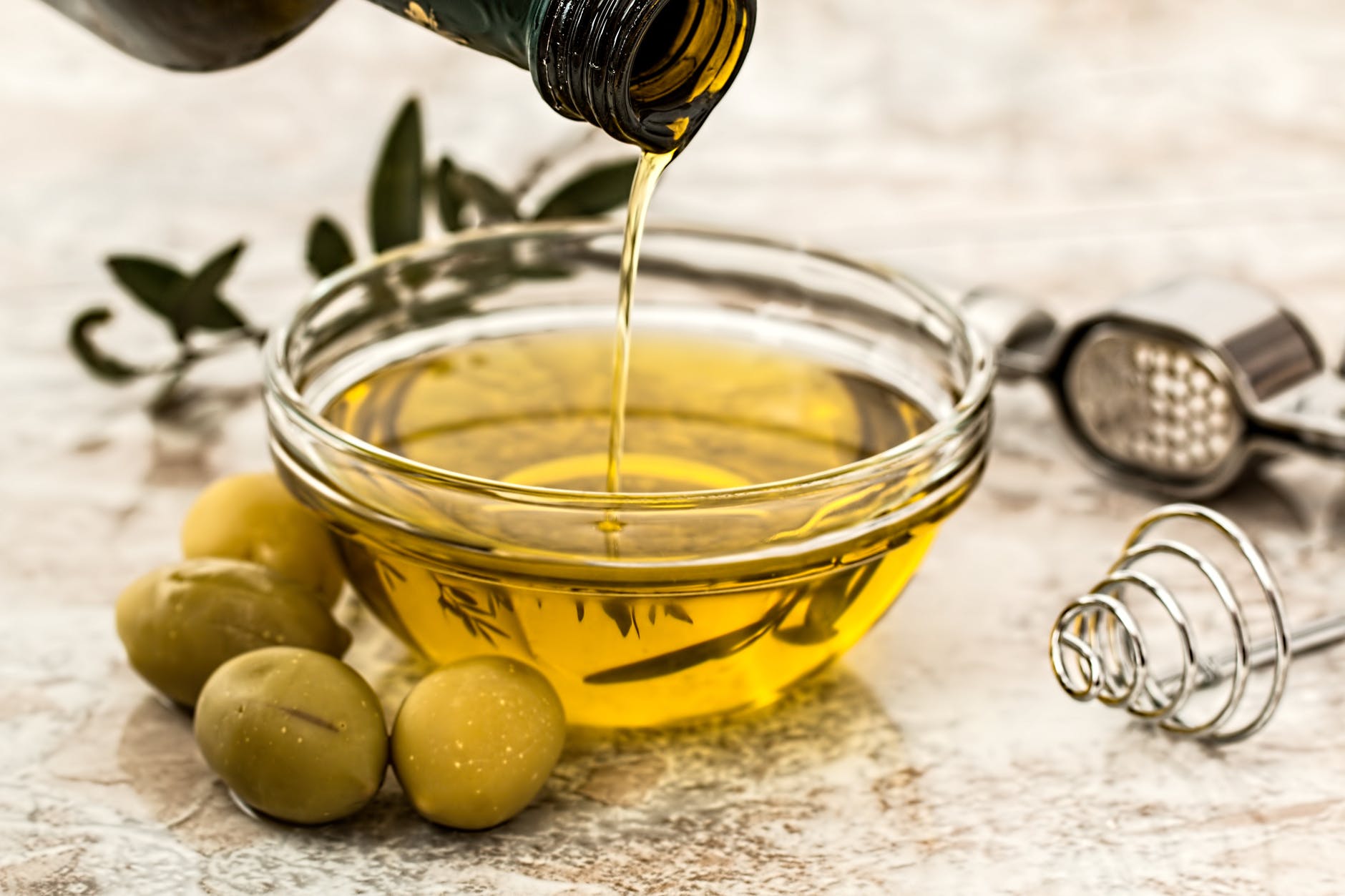
  • olive oil
  • canola oil
  • peanut oil
  • safflower oil
  • sesame oil
  • soybean oil
  • corn oil
  • sunflower oil

The BAD FATS

  • When we talk about bad fats there are two categories they fall into those categories are Hydrogenated and Partially Hydrogenated fats
  • We also we hear CIS and TRANS fat
  • Hydrogenated fats are processed poly unsaturated fats that have hydrogen added to them
  • Partially hydrogenated fats are also processed artificially as well
  • CIS fats are fats that have a double bond with carbons on the same side
  • Trans fats are fats that have a double bond as well but hydrogen and carbon are on opposite sides of the bond and this is what makes it bad
  • Trans fats are the worse fats for your health. They don’t go rancid, they are more stable during deep frying and can change the texture of your food
  • How do you know if a food has Trans fat in it? good question you will know that it does if the label of any food states that it is partially hydrogenated because that is how trans fats are made
  • What foods can you find Trans Fat in ? Basically in any foods that may be fried like fried chicken, fried fish, fried doughnuts and other foods that are not fried like pizza, hamburgers, cookies, pastries etc..

Fat’s Overview – Let’s Talk About Fats

Image by Welcome to all and thank you for your visit ! ツ from Pixabay

Fats Overview – Let’s Talk About Fats

So what’s the deal with fats? Are fats really bad for you? The simple answer is yes and no. Just like how earlier in another blog post I talked about Carbohydrates the good and bad ones ( complex and simple) fats also had good and bad ones. Fats are considered one of our Macronutrients (Carbohydrates, Fats, and Proteins). You get nine kcals from fats per gram while with carbohydrates and proteins you only get 4 kcals per gram for each. So I know when we here the word fat when it comes to food we get scared but there is no reason to be its all about putting the right fats into your body.

So for the whole month of February we will be talking about fats. This first blog post is just an overview for what is to come in the next few weeks.

We are going to be talking about:

  • What are fats?
  • Why are fats good for us?
  • The good fats and the bad
  • Different fat categories such as saturated and unsaturated 
  • Cis and Trans Fats
  • Essential Fatty Acids
  • Where do fats go when it gets absorbed in the body?
Check out my Youtube Video on Fats