Nutrition For Endometriosis

Photo by Larissa Deruzzi

In today’s blog we are closing out our final topics that were specific to women, for the month of March and this post is going to be about Endometriosis. Now , I’m pretty sure many of you out there may already know what Endometriosis is and there are many that don’t.

If you have not heard about it before, endometriosis is a disorder that affects the female reproductive system. This disorder specifically affects the uterus. The uterus is the area in which when pregnancy occurs the baby grows while inside the embryo sac. The uterus also sheds every month during to release an egg and that is why we have bleeding and have our menstrual cycle.

The tissue that lines the uterus is called “endometrium”. What happens in endometriosis is that the endometrium tissue starts to grow outside of the uterus.  The ovaries, fallopian tubes, and tissue in the pelvis can all be involved because the tissue growth can spread.

This is a condition that can be very painful for the women that do have it especially during the time of their monthly menstrual cycle that tissue becomes inflamed due to all the hormones that are being released.

The reason why I wanted to talk about nutrition for endometriosis is because Tia Mowry ( Twin from Sister Sister) has advocated for endometriosis because she has had it for many years and faced struggles with getting pregnant due to endometriosis. She also had to have multiple surgeries to removed the tissue that was growing outside of her uterus even though it would come back. She has advocated that changing her nutrition and diet is what helped her to not only get pregnant but manage her symptoms.

What she focused on was removing foods from her diet that triggered inflammation because it would cause the pain to be worse. She removed processed foods from her diet and a lot of dairy from her diet because dairy causes inflammation in the body. Eating more fruits, and vegetables, and fresh foods was a key to managing her symptoms. 

I hope you all enjoyed reading this blog post and if any have questions about endometriosis or changing your diet please talk to your Primary Care Provider or a Registered Dietitian.


Let’s Recap!

Nutrition Recap For February and March

So for the month of February and March on this blog and on Youtube my focus  was on Heart Health and Women’s Health. The month of February in the US is Heart Health Month and the month of March is Women’s History Month . I will leave the links below to the Youtube videos I did for February and March.

Now that we are in April, I just wanted to give a recap of some of the diseases and disorders that I discussed and nutrition recommendations for those diseases and disorders. ( Disclaimer I work in the field of Nursing and Nutrition but I am not a Medical Doctor. When making any major changes to your diet or health please consult with your primary care doctor or a Registered Dietitian).

  1. Multiple Sclerosis 
  • Disease of the central nervous system 
  • Central nervous system includes the brain and spinal or cord
  • Attacks the nerves or nerve cells 
  • Myelin sheath deteriorates
  • Myelin sheath helps nerve signals travel and covers the nerve cell
  • Sensory Motor and Cognitive Problems
  • Cause is unknown 
  • Linked to genetic and environmental factors
  • Genetic being a female and Certain Genes
  • Environmental factors infections and Vitamin D deficiency 
  • Four types of MS
  • vision problems
  • tingling and numbness
  • pains and spasms
  • weakness or fatigue
  • balance problems or dizziness
  • bladder issues
  • sexual dysfunction
  • cognitive problems

Nutrition for MS – There is some evidence that a diet low in saturated fats and supplemented by Omega-3 (from fatty fishes, cod-liver oil, or flaxseed oil) and Omega-6 (fatty acids from sunflower or safflower seed oil and possibly evening primrose oil) may have some benefit for people with MS.

Vitamin D is a hormone and has many functions in the body:

promotes the absorption of calcium, necessary for bone health

supports immune response to infections

helps to limit inflammation and regulate the immune system

Food sources of Vitamin D include oily fish (such as salmon or tuna), beef liver, egg yolks, pork, fortified foods such as milk and juices

Biotin is considered a form of vitamin B, and is a component of enzymes in the body that help break down certain substances. It also activates certain enzymes that help the body produce myelin – the substance wrapped around many nerves in the central nervous system. Biotin, also known as vitamin H, is usually obtained from food.

2. Cardiovascular Disease 

  • Can include any condition that affects the heart , blood vessels, hypertension , atherosclerosis, arteriolosclerosis , high blood pressure, blood clots
  • Heart diseases that affect women more than men include
  • Coronary microvascular disease (MVD) – a problem that affects the heart’s tiny arteries
  • Broken heart syndrome – extreme emotional stress leading to severe but often short-term heart muscle failure
  • Uncomfortable pressure, squeezing, fullness or pain in the center of your chest. It lasts more than a few minutes, or goes away and comes back.
  • Pain or discomfort in one or both arms, the back, neck, jaw or stomach.
  • Shortness of breath with or without chest discomfort.
  • Other signs such as breaking out in a cold sweat, nausea or lightheadedness

Nutrition for Cardiovascular Disease – Avoid junk foods, processed foods, fast foods. Stay away from saturated and trans fats. Eat fruits, vegetables, nuts, lean meats, fish such as salmon. Low Sodium Diet, Low Fat Diet/ Protein plus Fiber 

3. Lupus

  • Autoimmune Disease 
  • Inflammation and swelling takes place anywhere in the body and can attack any organ or organ system
  • Lupus affects everyone different some people might have mild symptoms and some people might have severe symptom
  • People will have flare ups and then go into remission 
  • Symptoms:
  • fatigue
  • fever frequent fevers
  • hair loss and hair thinning
  • rash butterfly shaped rash on cheek bones
  • pulmonary problems lungs can become inflamed and swollen 
  • kidney problems Inflammation of kidneys
  • swollen joints
  • gastrointestinal problems
  • thyroid problems
  • dry mouth and eyes

Nutrition for Lupus- Eat a well balanced diet with lots of fruits and vegetables and omega 3s Salmon, Tuna, Mackerel, and Sardine, Citrus fruits Vitamin C.

Avoid processed foods, junk foods, any foods that cause Inflammation in the body dairy is known to cause Inflammation in the body

Check out my YouTube Nutrition Coaching Videos:

It’s ok to RESET

Hey everyone, Happy new month, Happy April! . Can you believe that it is already a new month. This year so far is going by so fast. Sometimes just as time goes by fast , we also feel the need to go just as fast as time is going in our daily lives. When we have a goal in mind that we want to accomplish we want to keep going and going.  I wrote this blog post to remind you that I see all your hard work but it is also OK to give yourself a break because you deserve it.

When I started this blog and my Instagram page back in 2016/2017 I wouldn’t say I was super consistent but I did post from time to time to make sure I was engaging with my audience and keeping up with giving them the latest tips to help with acid reflux . At one point there were moments when I would not post for a month or two and my Instagram page continued to grow which I was so shocked to see. 

After taking a break from my blog for almost a year and a half after I had my son, I decided at the end of 2020 that I was ready to make a comeback and start working hard again and I did just that. I managed between three platforms Instagram, YouTube, and WordPress. I would stay up all night to get my videos done, blog posts done, and content creation done sometimes until 4 am! . Between the months of December and February I was on a high working non stop until finally in March I crashed and burned and needed a break. It is important that we learn to give ourselves the break we deserve and give ourselves self care. After having my son I never really thought much about self care but now a year and a half later having an active 1 year old, trying to get work done, focus on my marriage, and get through this pandemic I realize how important it is to give ourselves that mental break.

I hope this blog helped just a little to realize it’s ok to relax, regroup, recharge, and reset.

The Last of the Fats – OMEGAS

photo credit: google image search

Now I know you all are pretty familiar with Omegas in the diet . For a while the omega that I would hear about the most were omega 3’s but did you know that there is omega 3,6, and 9? I know right?! That’s a lot but no worries in this blog post I will give you the run down on these fabulous omegas.

First we will start with Omega 3’s:

  • Our bodies cannot make these types of fats we must get them in our diet or with supplementation
  • They are polyunsaturated fats (chemical makeup & bond)
  • Double Bonds
  • Many types of Omega 3’s, but the most common ones are EPA, DHA, and ALA
  • EPA is a 20 chain fatty acid
  • DHA is a 22 chain fatty acid
  • ALA is a 18 chain fatty acid
  • EPA helps reduce inflammation in the body, helps with symptoms of depression
  • DHA is important for brain development and function
  • ALA is good for the heart, immune, and nervous system

Food sources of omega 3’s are:

  • salmon
  • mackerel
  • chia seeds
  • walnuts
  • flaxseeds

Omega 6:

  • Also polyunsaturated with double bonds (chemical structure)
  • Called GLA
  • Can be found in some oils such as primrose  oil
  • Benefits include possibly reducing inflammation in the body and reducing fat mass but more research is needed

Food sources of omega 6’s are:

  • soybean oil
  • mayonnaise
  • walnuts
  • almonds
  • cashew nuts

Omega 9:

  • It is monounsaturated
  • Only has one double bond in chemical structure
  • Can be produced by the body
  • Oleic Acid is the most common omega 9 known
  • Health benefits include reducing inflammation and insulin sensitivity

Food sources of omega 9’s are: 

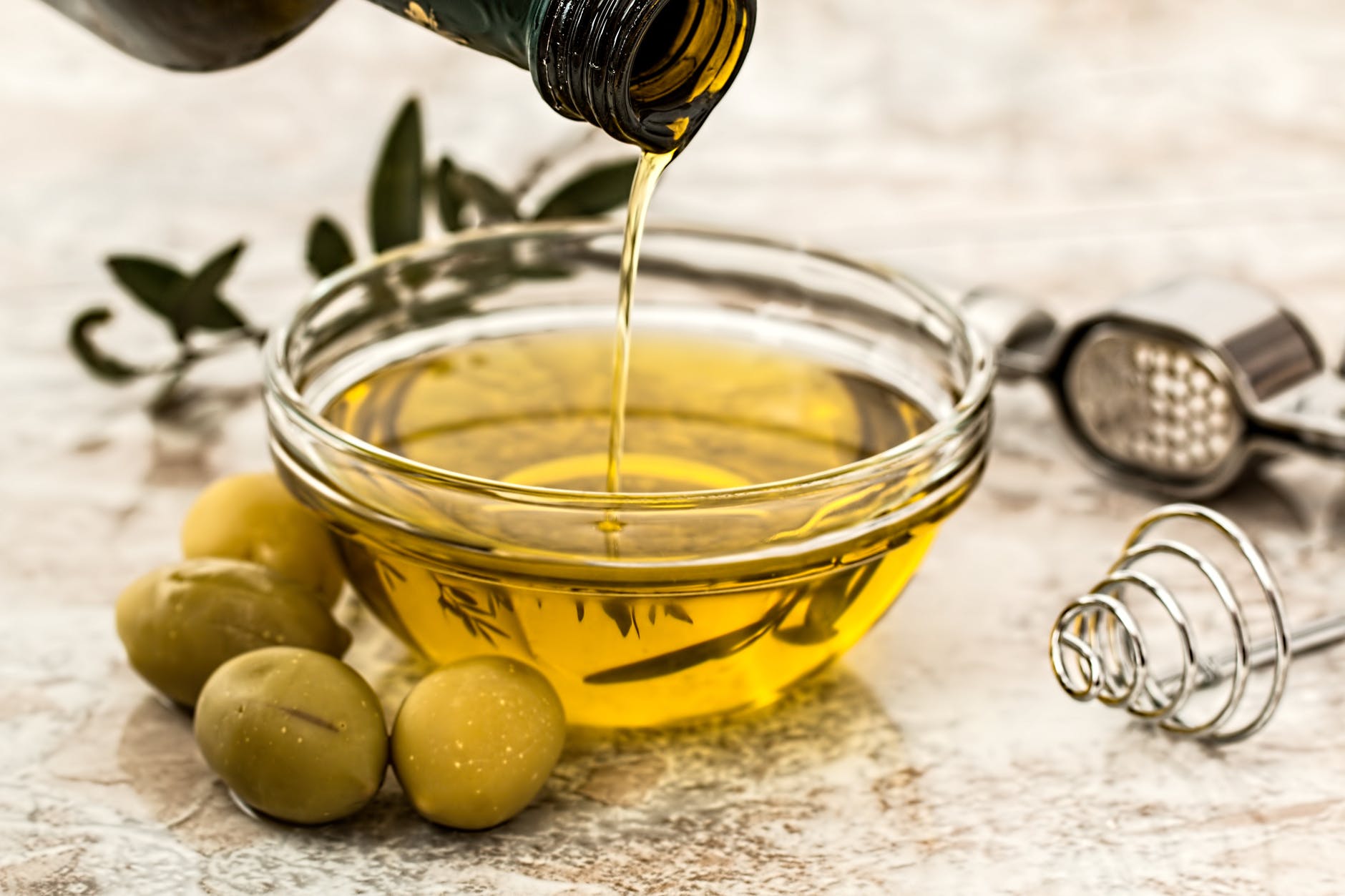
  • olive oil
  • almond oil
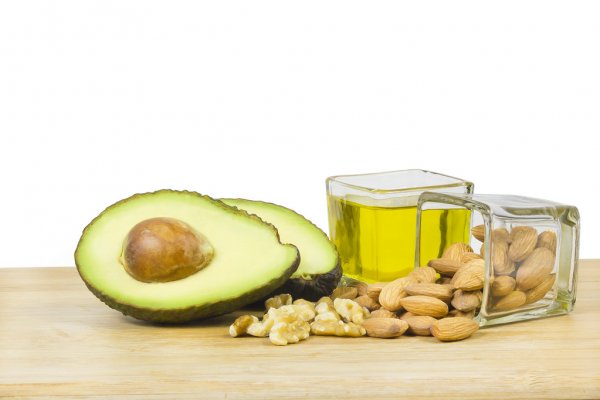
  • avocado oil
  • almonds
  • cashews
  • walnuts

The GOOD and BAD Fats

Photo by Pixabay on Pexels.com

The Good and The Bad FATS

Now I know you guys have been waiting on this one and I’m a little late but I’m back! So lets talk about the GOOD FATS and the BAD FATS. Just as with carbohydrates there are healthy fats and not so healthy fats because what it can do to the body.

Let’s start with a little science:

  • Fat Molecules which are called “triglycerides are made up of chains and bonds
  • These chains and bonds can be single or double
  • These chains and bonds can have carbon atoms or hydrogen atoms
  • These chains and bonds will determine what type of fat you are dealing with

The GOOD:

  • When you hear about good fats you will usually hear “unsaturated”
  • Unsaturated fats have subcategories called “Mono-unsaturated” and “Poly-unsaturated
  • Mono-unsaturated fats is a fat molecule that has a single double bound and one of those bonds is an unsaturated carbon bond
  • Mono-unsaturated fats are liquid at room temperature and solid when cold
  • Mono-unsaturated fats help to reduce bad cholesterol in the body which is called LDL and HDL is the healthy cholesterol
  • Mono-unsaturated fats helps to maintain the cells in the body by giving it nutrients such as vitamin E
  • Same thing goes for Poly-unsaturated fats with the exception that it has more than one unsaturated carbon bond
  • Poly-unsaturated fats work in the same ways as mono-unsaturated fats helping the body to regulate cholesterol levels

Examples of Mono-unsaturated and Poly- unsaturated Oils:

  • olive oil
  • canola oil
  • peanut oil
  • safflower oil
  • sesame oil
  • soybean oil
  • corn oil
  • sunflower oil

The BAD FATS

  • When we talk about bad fats there are two categories they fall into those categories are Hydrogenated and Partially Hydrogenated fats
  • We also we hear CIS and TRANS fat
  • Hydrogenated fats are processed poly unsaturated fats that have hydrogen added to them
  • Partially hydrogenated fats are also processed artificially as well
  • CIS fats are fats that have a double bond with carbons on the same side
  • Trans fats are fats that have a double bond as well but hydrogen and carbon are on opposite sides of the bond and this is what makes it bad
  • Trans fats are the worse fats for your health. They don’t go rancid, they are more stable during deep frying and can change the texture of your food
  • How do you know if a food has Trans fat in it? good question you will know that it does if the label of any food states that it is partially hydrogenated because that is how trans fats are made
  • What foods can you find Trans Fat in ? Basically in any foods that may be fried like fried chicken, fried fish, fried doughnuts and other foods that are not fried like pizza, hamburgers, cookies, pastries etc..