
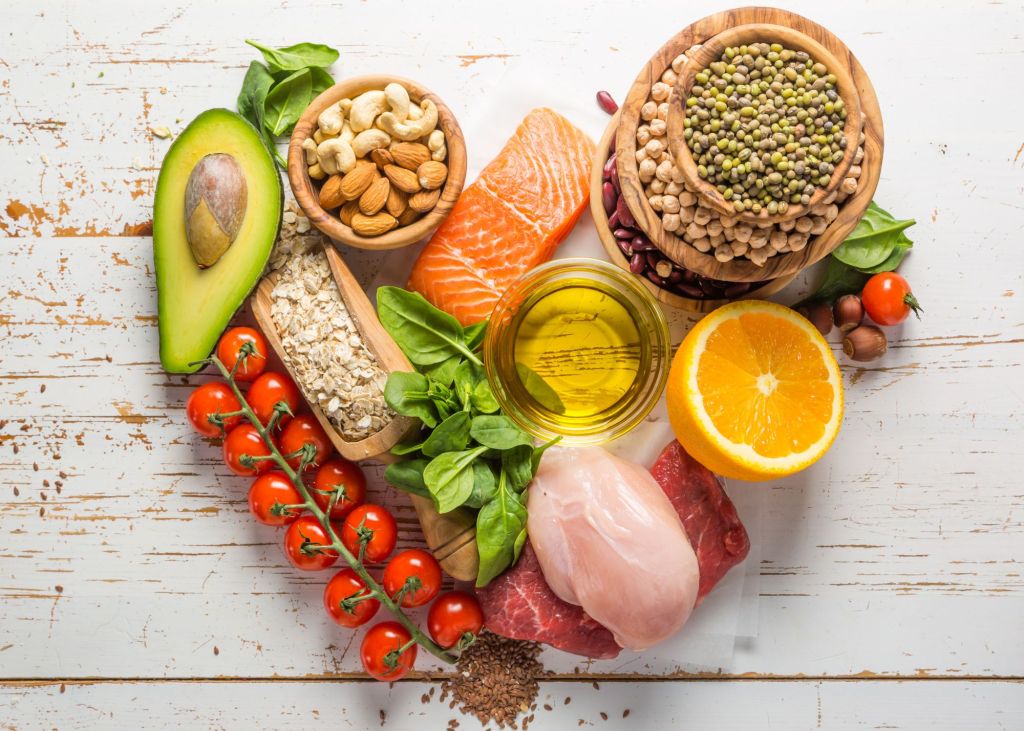
In a world where heart disease remains a leading cause of death, prioritizing heart health has never been more important. Fortunately, one of the most powerful tools in our arsenal is right on our plates: food. By adopting a heart-healthy diet rich in nutrient-dense foods and low in saturated fats and cholesterol, we can significantly reduce our risk of heart disease and support overall cardiovascular health. In this blog post, we’ll explore some key strategies for lowering cholesterol and promoting heart health through mindful eating.
1. **Focus on Whole Foods:** One of the cornerstones of a heart-healthy diet is choosing whole, minimally processed foods. Fill your plate with plenty of fruits, vegetables, whole grains, legumes, nuts, and seeds. These nutrient-packed foods are rich in fiber, antioxidants, vitamins, and minerals, all of which play a crucial role in cardiovascular health.
2. **Limit Saturated Fats and Trans Fats:** Saturated fats and trans fats can raise LDL cholesterol levels (often referred to as “bad” cholesterol) in the blood, increasing the risk of heart disease. To keep your heart healthy, aim to minimize your intake of foods high in these unhealthy fats, such as red meat, full-fat dairy products, fried foods, and commercially baked goods.
3. **Choose Heart-Healthy Fats:** Not all fats are created equal, and some fats can actually be beneficial for heart health. Opt for sources of unsaturated fats, such as olive oil, avocado, nuts, and fatty fish like salmon and mackerel. These fats can help lower LDL cholesterol levels and reduce inflammation in the body, protecting against heart disease.
4. **Incorporate Plant-Based Proteins:** Plant-based proteins, such as beans, lentils, tofu, and edamame, are not only rich in fiber and essential nutrients but also naturally cholesterol-free By replacing some of the animal-based proteins in your diet with plant-based alternatives, you can help lower your intake of cholesterol and saturated fats.
5. **Eat More Fiber:** Fiber plays a crucial role in heart health by helping to lower LDL cholesterol levels and improve blood sugar control. Aim to include plenty of fiber-rich foods in your diet, such as fruits, vegetables, whole grains, beans, and nuts. These foods not only support heart health but also promote digestive health and weight management.
6. **Watch Your Sodium Intake:** Consuming too much sodium can raise blood pressure, increasing the risk of heart disease and stroke. Be mindful of your sodium intake by choosing low-sodium or sodium-free options when possible and flavoring your meals with herbs, spices, and citrus instead of salt.
7. **Stay Hydrated:** Drinking an adequate amount of water is essential for overall health, including heart health. Aim to drink plenty of water throughout the day to stay hydrated and support optimal cardiovascular function.
By incorporating these heart-healthy eating strategies into your daily routine, you can take proactive steps to lower cholesterol, reduce your risk of heart disease, and support long-term cardiovascular health. Remember, small changes can add up to big results when it comes to protecting your heart, so start making healthier choices today for a healthier tomorrow.
 NutriFoody Wholly Holism